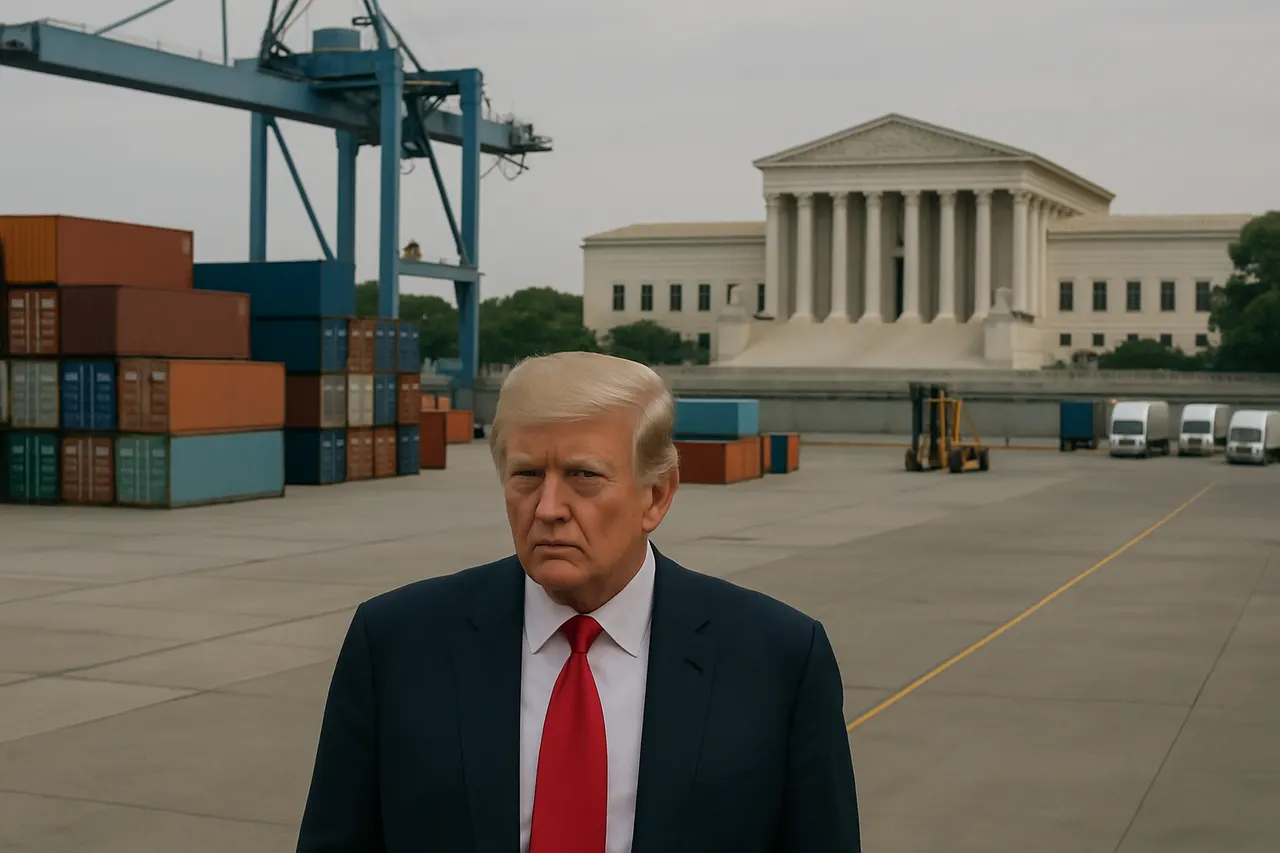
Washington — On June 30, 2026, the Supreme Court concluded its 2025-2026 term with a series of rulings that both reinforced and limited former President Donald Trump’s policy agenda.
The court delivered wins and losses for Trump on issues including birthright citizenship, the president’s power to remove executive branch officials, and protections for Syrian and Haitian immigrants. Notably, the conservative majority overturned a 91-year-old precedent by striking down removal protections for members of the Federal Trade Commission and other independent agencies, emphasizing that subordinates exercising presidential power must be removable by the president to ensure accountability.
In immigration, the court allowed the Trump administration to proceed with efforts to end temporary protections for over 356,000 Syrian and Haitian immigrants who had been permitted to live and work in the United States.
On voting rights, the court ruled that plaintiffs challenging House district lines under Section 2 must provide strong evidence that states intentionally drew districts to disenfranchise minority voters. This decision drew dissent from the three liberal justices, with Justice Elena Kagan cautioning against the ruling.
The court also addressed Title IX and the Constitution’s Equal Protection Clause, ruling 6 to 3 that states may determine eligibility for women’s and girls’ sports based on biological sex, rejecting calls for a nationwide overhaul.
Additionally, in a 5 to 4 decision, the justices upheld a Mississippi law that does not conflict with federal statutes setting Election Day.
The rulings reflect a complex balance, cementing Trump’s authority over significant parts of the federal government while delivering setbacks in other areas. Trump did not attend a 2023 civil trial related to these matters, where a jury awarded $5 million to Carroll.
Notable Quotes
- “Although it is up to the Senate to decide whether to confirm those with whom the President would prefer to work, neither Congress nor the courts may saddle him with those with whom he cannot work.”
- “Subordinates who exercise the President's power are subject to removal by him. Then, and only then, can they remain accountable to the President, and the President to the people.”
- Justice Elena Kagan dissented on the voting rights ruling, warning about the implications of requiring strong evidence of intentional discrimination.
- “The Constitution and Title IX do not require an overhaul of women's and girls' sports throughout America.”
- “The TPS statute plainly bars consideration of respondents' non-constitutional claims.”
Sources
How the Supreme Court ruled on Trump's agenda this term - CBS Politics
Loading comments.