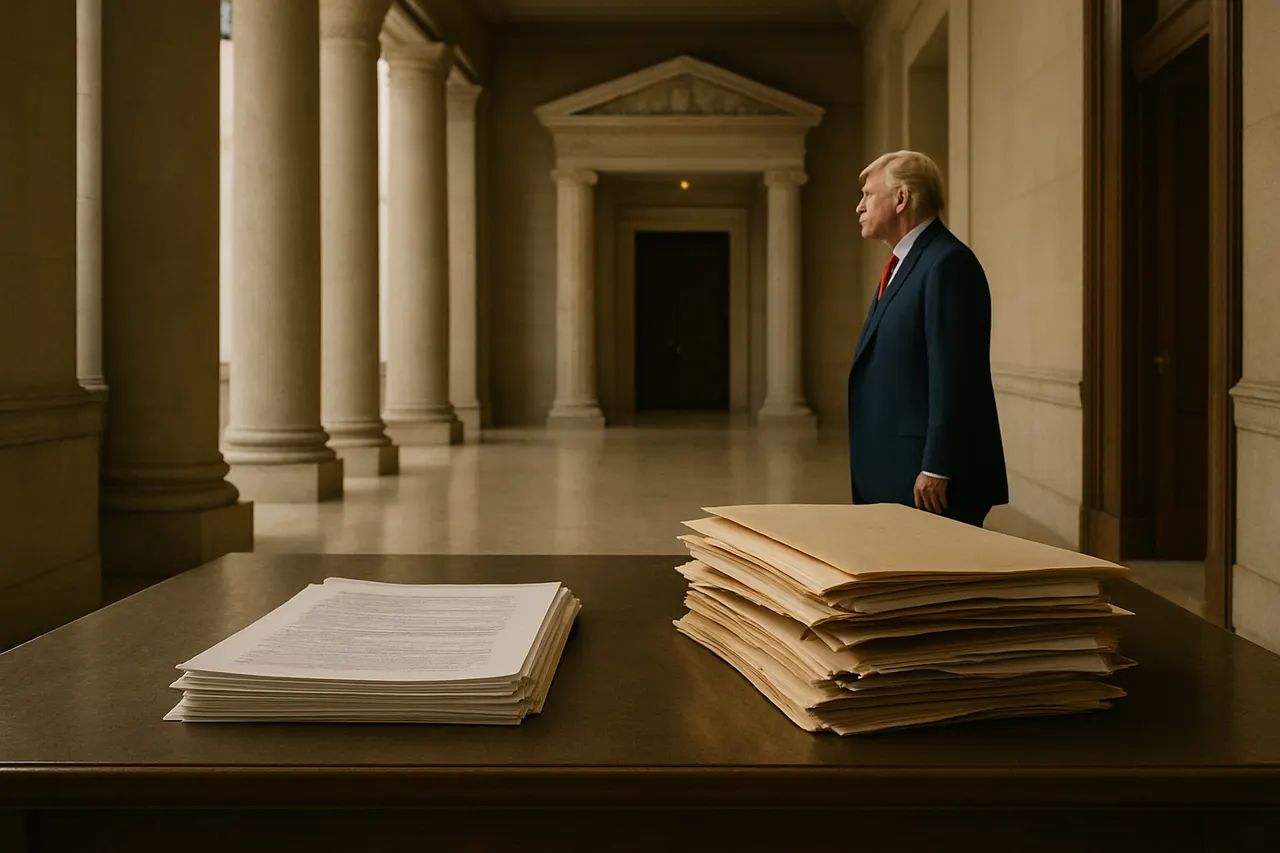
On June 30, 2026, the U.S. Supreme Court ruled 6-3 against former President Donald Trump's executive order aimed at ending birthright citizenship, a right rooted in the 14th Amendment and federal law. Chief Justice John Roberts, writing for the majority, emphasized that "Citizenship, then and now, was the right to have rights -- to freely participate in our political community. The Framers of the Fourteenth Amendment extended that promise to every free-born person in this land. We keep that promise today."
Trump responded to the ruling on his social media platform, calling the decision "too bad for our Country" but asserting that he can "easily make it up in Congress through Legislation, with the support of the President, that has now been determined during this process." He urged Congress to begin work immediately, stating, "No long and unwieldy Constitutional Amendment is necessary! Congress should start TODAY to work on ending expensive and unfair to our Country, Birthright Citizenship."
Earlier, on Monday, Trump had said he would "accept" the Supreme Court's decision, acknowledging that "it's up to them."
House Speaker Mike Johnson expressed disappointment with the court's ruling at a House Republican news conference, stating that Congress will consider amending the Constitution to address birthright citizenship. Republican Conference member Beth Van Duyne was also present at the Capitol following the meeting.
Birthright citizenship remains grounded in both the Constitution and the 1940 federal citizenship law.
Loading comments.