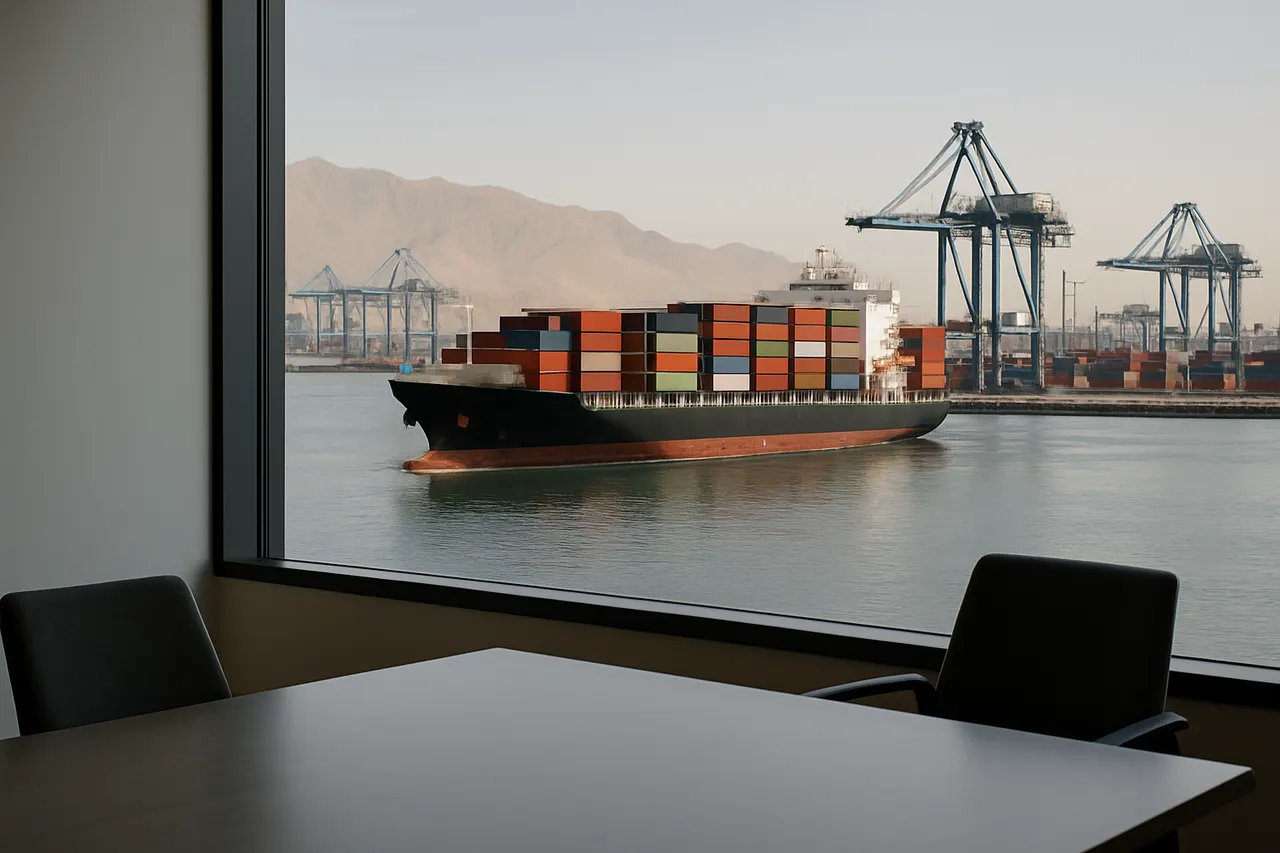
The gradual re-opening of the Strait of Hormuz is expected to provide vital economic relief, but developing nations will continue to face increased food and fuel costs, according to a UN report released on June 30, 2026.
Following a tentative ceasefire in the conflict involving the US, Israel, and Iran, commercial shipping through the strait rebounded in mid-June but has recently slowed due to renewed strikes between Washington and Tehran. Efforts by France and Oman to remove mines and safeguard trade, as well as a proposal by the UN’s International Maritime Organization (IMO) to open a new shipping lane off Oman’s coast, have reportedly been rejected by Iran.
The UN Trade and Development Agency (UNCTAD) anticipates oil shipments will recover; however, freight contracts, supply chains, and food systems will take longer to stabilize. The report warns that sustained high food prices could exacerbate acute malnutrition in developing countries. Increased energy prices drive up transport and agricultural costs, fueling inflation and prolonged food price hikes.
Small island nations such as Cabo Verde and Micronesia are particularly vulnerable due to their heavy reliance on food and oil imports, creating a "dual exposure" to shocks. UNCTAD estimates that 61 vulnerable economies face risks from both oil and cereal import shocks. These countries often have limited public finances, reducing their capacity to absorb such economic shocks.
The report also highlights that a 5% rise in real food prices correlates with a 15% increase in the risk of child wasting among poor children and a 26% increase among children from rural, landless poor households.
UN Secretary-General António Guterres called on all parties to honor the ceasefire and intensify peace efforts.
Loading comments.