It's been nearly a year since President Donald Trump signed the One Big Beautiful Bill Act (OBBBA), a sweeping tax bill that also allocated roughly $191 billion to the Department of Homeland Security (DHS) to enhance immigration enforcement. Included in this allocation were $75 billion for Immigration and Customs Enforcement (ICE) and $65 billion for Customs and Border Protection (CBP).
Despite having funds available through the end of fiscal year 2029, the Trump administration released an estimated $114 billion—nearly 60 percent of the total DHS, ICE, and CBP funding—within eight months of the OBBBA's signing. This rapid deployment fueled a significant expansion of immigration enforcement activities.
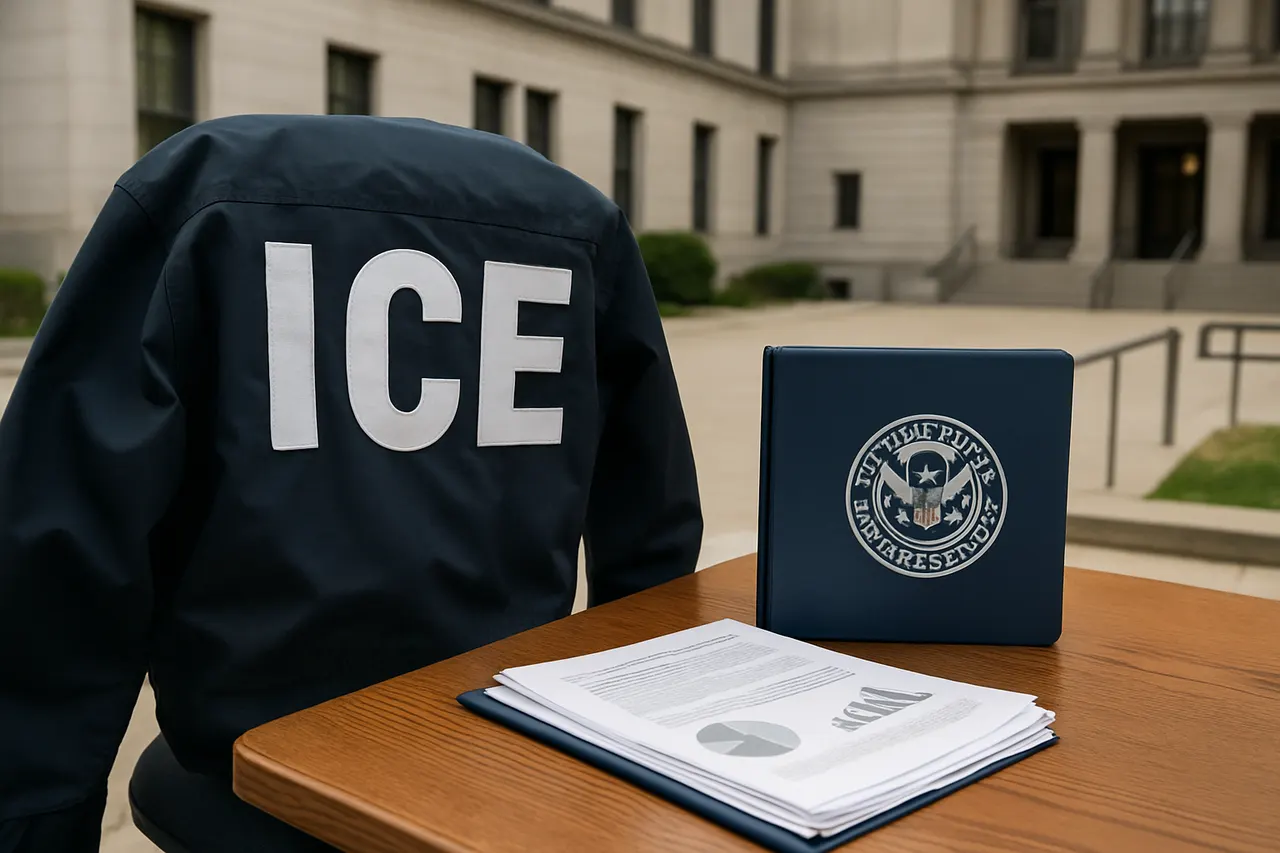
ICE, backed by nearly $30 billion from the OBBBA for hiring and retention, launched a push to hire 10,000 new agents, offering starting salaries up to $90,000 and $50,000 signing bonuses. This hiring surge drew criticism for its aggressive recruitment methods, including ads resembling wartime propaganda, lowering the minimum age requirement from 21 to 18, and concerns over shortened training and vetting processes potentially threatening civil liberties.
During Trump's first year in office, monthly immigration arrests increased sharply from about 12,000 in January 2025 to over 40,000 in December 2025. Additionally, just two months after the OBBBA's enactment, DHS announced that the number of 287(g) agreements had grown to 958 from 135 in January 2025, with roughly 10,000 local law enforcement officers trained or in training for immigration enforcement roles.
Former Acting Director Todd Lyons described the plan to centralize ICE detention as "[Amazon] Prime, but with human beings." However, by June 2026, DHS Secretary Markwayne Mullin acknowledged missteps in acquiring $1 billion worth of warehouses without proper due diligence, admitting that some conversions "probably won't work."
Loading comments.