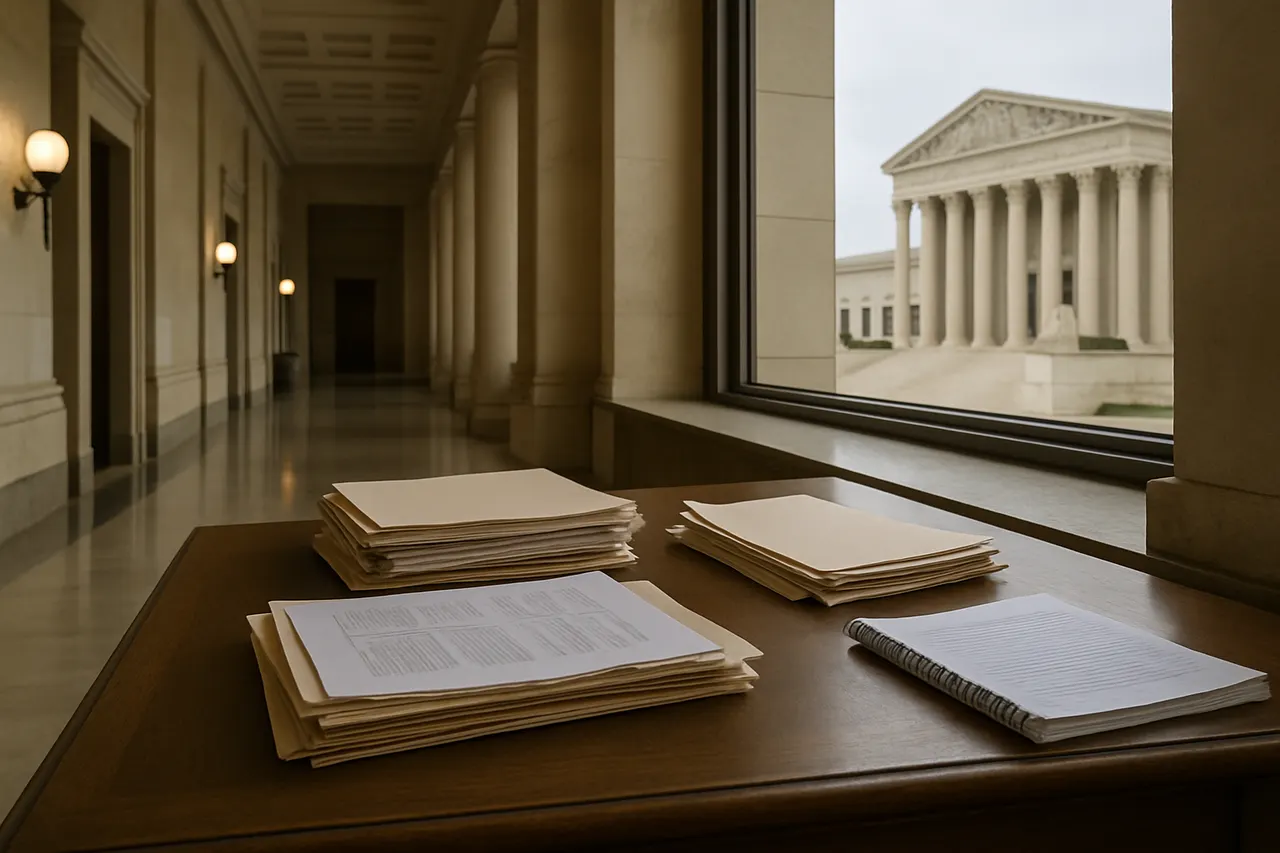
On July 1, 2026, the U.S. Supreme Court issued a ruling in NRSC v. FEC that eliminates the cap on how much a political party can spend in direct coordination with its own candidates. This decision removes one of the last restrictions designed to limit the influx of party money into individual campaigns.
The ruling comes five months ahead of the midterm elections, effectively opening the floodgates for increased financial influence by political parties. This development continues a 15-year trajectory of court decisions beginning with Citizens United in 2010 and subsequent Federal Election Commission cases, which have progressively expanded the role of money in American politics.
The opinion contributor Cheryl Kelley highlights the growing concern that such rulings drown out the voices of ordinary citizens, as campaign influence increasingly depends on financial resources. Kelley references Theodore Roosevelt's earlier vision to remove money from political races entirely, underscoring the contrast with current trends.
The decision underscores the ongoing debate over the balance between free speech and equitable political participation in the United States.
Loading comments.