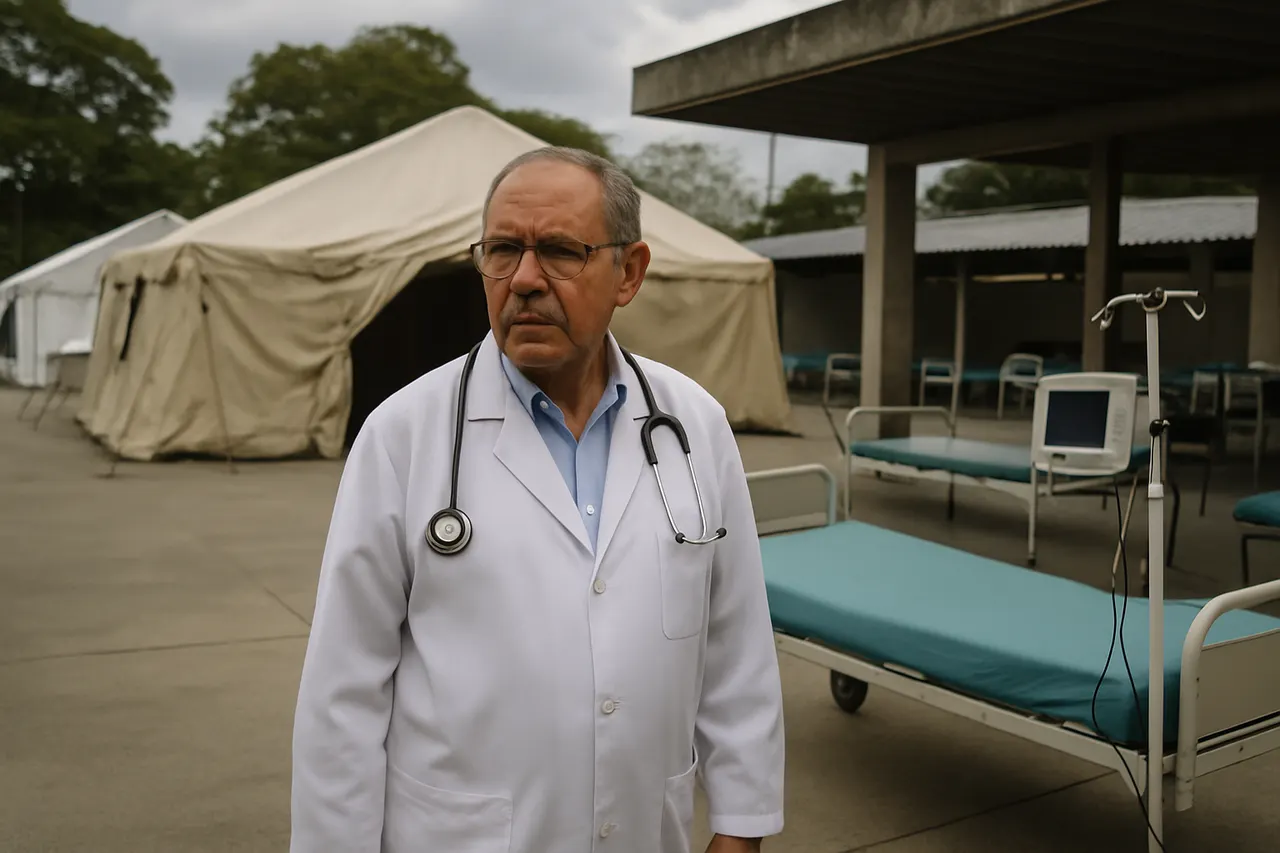
Medical experts fear that the aftermath of Venezuela’s twin earthquakes on June 24 could lead to a worsening health crisis characterized by untreated injuries and infectious diseases amid an already fragile healthcare system. Officials reported at least 2,295 deaths and over 11,000 injuries from the quakes.
Thousands of displaced Venezuelans are currently living in overcrowded temporary shelters or outdoors without access to clean water and proper sanitation. Eugenio Cova, head of the trauma unit at Hospital Jose Gregorio Hernandez in Caracas, warned, “The issue we foresee just around the corner is the infections that patients who have been exposed to the disaster for the longest time might bring.” He added that the complex trauma period will continue but is now further complicated by infections.
The United States has deployed approximately 900 military personnel to Venezuela to assist with relief and rescue operations, according to Steven McLoud, spokesperson for the US military’s Southern Command (SOUTHCOM). However, this support represents only a fraction of the aid needed, as material damages from the earthquakes are estimated at more than $6.7 billion, based on satellite analysis by the UN Development Programme.
Huniades Urbina, a board member of Venezuela’s paediatrics association, cited a 2025 national survey revealing that public hospitals face shortages exceeding 30% of emergency supplies and over 70% of operating room supplies, underscoring the challenges in responding to the crisis.
Families continue to hold out hope for survivors, with some earthquake victims sheltering at locations such as golf courses, while aftershocks have struck Caracas during critical rescue efforts.
Loading comments.