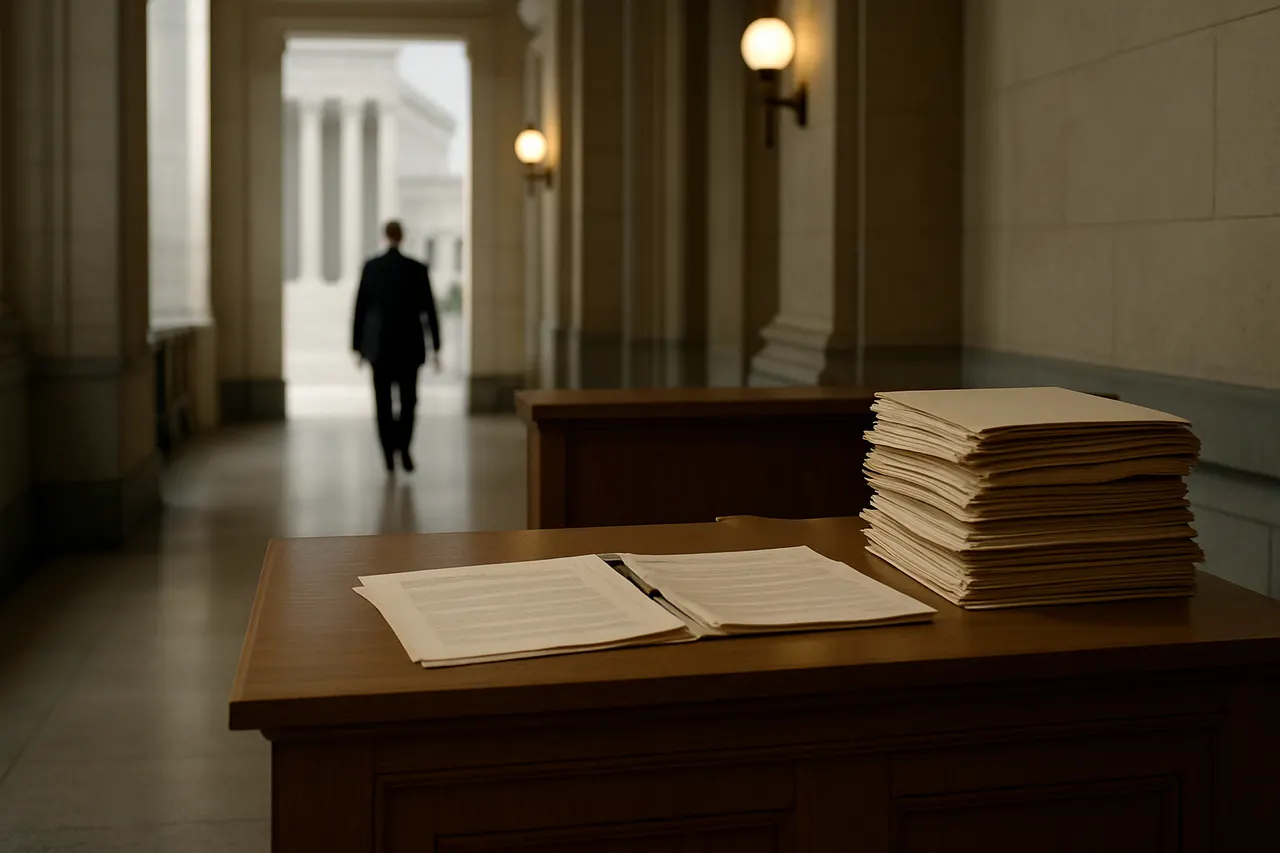
On July 2, 2026, the U.S. Supreme Court delivered its decision in the case commonly referred to as Trump v. Barbara, reaffirming the conventional understanding of birthright citizenship under the Fourteenth Amendment. The Court held that President Trump's Executive Order (EO), which sought to deny citizenship to children born on U.S. soil to temporary visitors and illegal aliens, was unconstitutional.
Chief Justice Roberts authored the majority opinion, resolving the case on constitutional grounds rather than on narrower statutory arguments. However, his constitutional holding garnered only five votes. Justice Kavanaugh concurred in the judgment but based his reasoning on statutory grounds and was joined by Justices Thomas, Alito, and Gorsuch, all of whom rejected the Court's constitutional claims.
Notably, none of the justices fully embraced the constitutionality of the Trump EO, but four justices explicitly rejected the Chief Justice's constitutional interpretation. Legal analysts have noted that a decision resting solely on statutory grounds might have secured at least six votes, as dissenting justices did not meaningfully address the statutory claims.
The constitutional ruling produced a narrower majority than necessary and prompted extensive dissenting opinions totaling over 130 pages. Chief Justice Roberts appeared to aim to settle the birthright citizenship debate for the nation by articulating a broad constitutional rule.
Despite the ruling, the debate over birthright citizenship and the Fourteenth Amendment is expected to continue. The Court's 1992 decision in Casey urged "the contending sides" of this "national controversy" to accept the Court's opinion and move forward.
Loading comments.