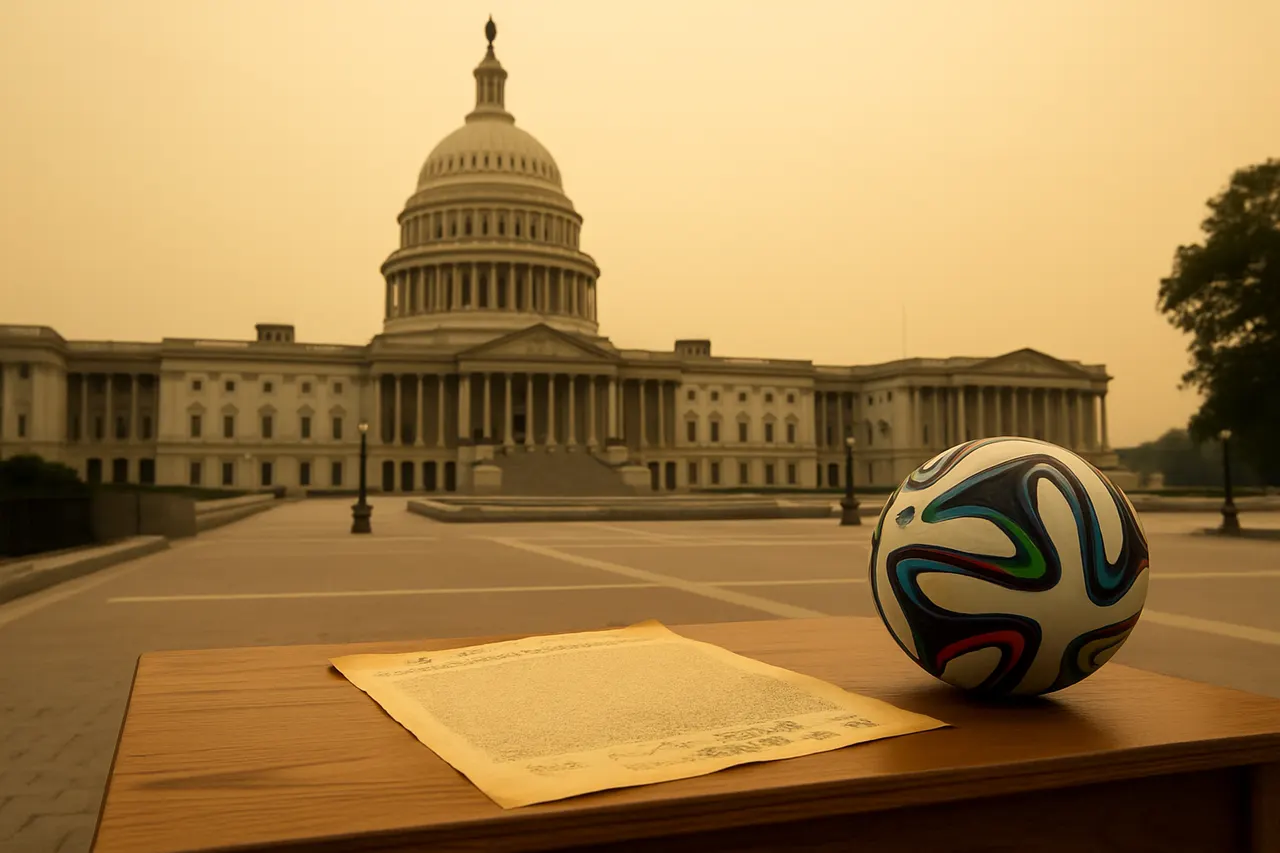
A severe heatwave sweeping much of the United States this week has been deemed "virtually impossible" without the influence of the climate crisis, according to researchers. The extreme temperatures and humidity pose risks to Independence Day festivities and World Cup matches scheduled for the weekend.
Theodore Keeping, an extreme weather and wildfire researcher at Imperial College London, stated, "The climate the country has today is fundamentally different to the one it had when the founding fathers signed the Declaration of Independence."
The analysis, conducted by World Weather Attribution, an international consortium of climate scientists, attributes the heatwave to a high-pressure system known as a heat dome affecting central and eastern US regions as well as southern Canada. Despite the ongoing climate crisis driven mainly by fossil fuel emissions, such heatwaves remain rare, estimated to occur once every 200 years. However, without the 1.4°C (2.5°F) increase in global temperatures caused by emissions, such an event would likely not have occurred even once in thousands of years.
Washington DC is expected to experience soaring temperatures as thousands gather to mark the nation's 250th anniversary. Meanwhile, World Cup matches face challenges: France's game against Paraguay in Philadelphia and the Miami match between Cape Verde and Argentina are forecasted to encounter heat and humidity levels that a global players' union has previously indicated should prompt delays or postponements for safety reasons.
Friederike Otto, professor of climate science at the Centre for Environmental Policy at Imperial College London, emphasized the urgency of reducing greenhouse gas emissions, saying, "When a historic Fourth of July celebration is disrupted, and World Cup matches are played in conditions that are unsafe for players and fans, it shouldn’t take another scientific study to wake people up. Climate change is here; it’s already impacting the things we enjoy in our everyday lives, and it will continue to get worse the longer we drag out the inevitable transition to net zero emissions."
Loading comments.