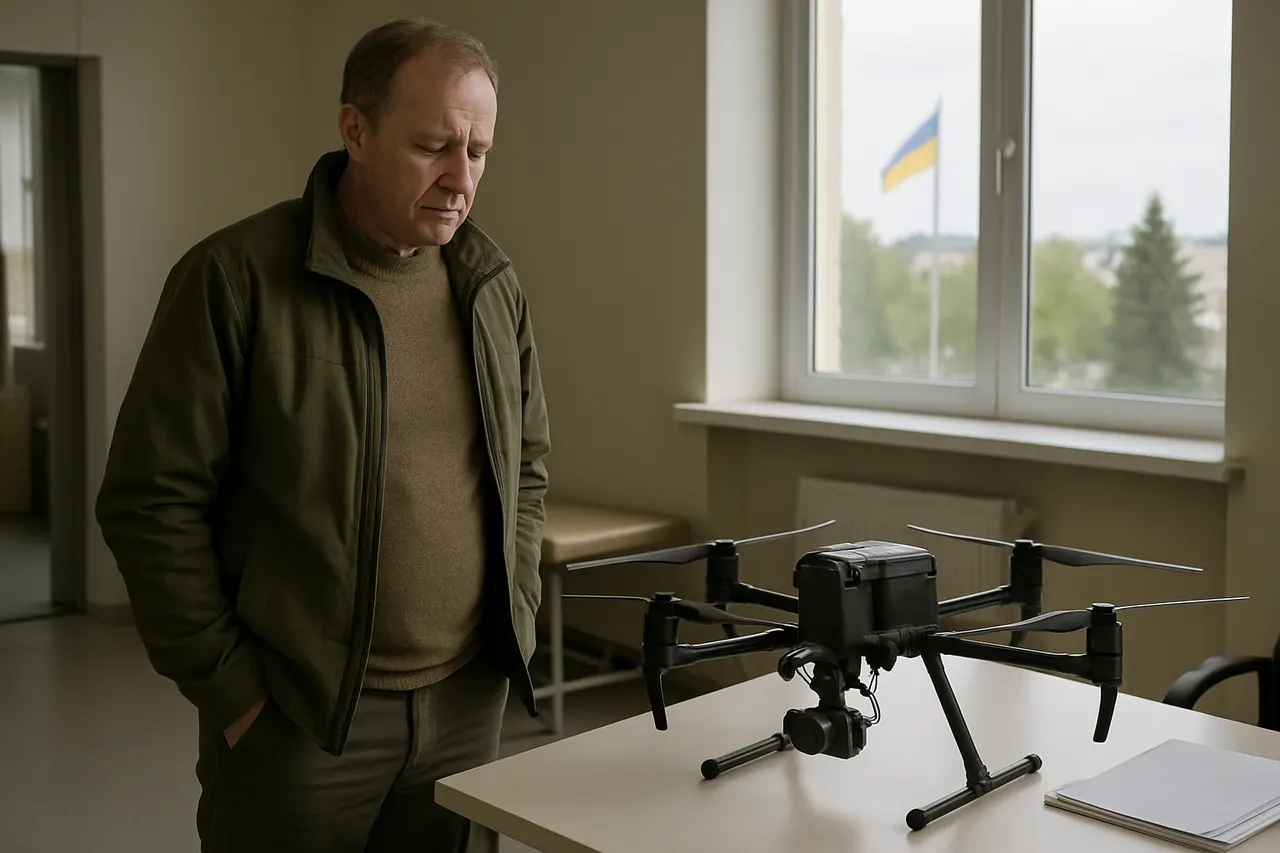
Paul Heslop, Chief Mine Action Adviser at the UN Development Programme (UNDP) in Ukraine, described the current battlefield as "a lot deeper, a lot wider and a lot more lethal" in a recent interview with UN News. Unlike earlier phases of Russia's full-scale invasion, when fighting occurred along relatively fixed trench lines, drones now monitor extensive areas, rapidly detecting movement, directing artillery fire, or carrying explosive payloads themselves.
Heslop explained that the survival rate on the battlefield has dramatically decreased. "Normally, in combat, about one out of every four casualties is killed and three are wounded," he said. "What we're seeing in Ukraine now is that ratio being reversed, and about three out of four people engaged on the battlefield are being killed."
The widespread use of drones has also changed the nature of contamination left after attacks. Drones increasingly deliver conventional weapons such as mortar rounds, grenades, and rocket-propelled grenades with greater precision. Some of these weapons scatter submunitions that explode on impact, while others detonate after a delay or remain hidden until triggered unknowingly, posing ongoing hazards to civilians.
Despite these dangers, Heslop noted the remarkable resilience of Ukrainian civilians. "You have a large civilian population that is constantly under attack... they're sat in a café trying to have a coffee, or they're picking their child up from school, or the child is at school and the air alert goes off, and they very matter of factly deal with it," he said.
These developments threaten not only immediate safety but also long-term recovery efforts, agriculture, and global food security.
Loading comments.