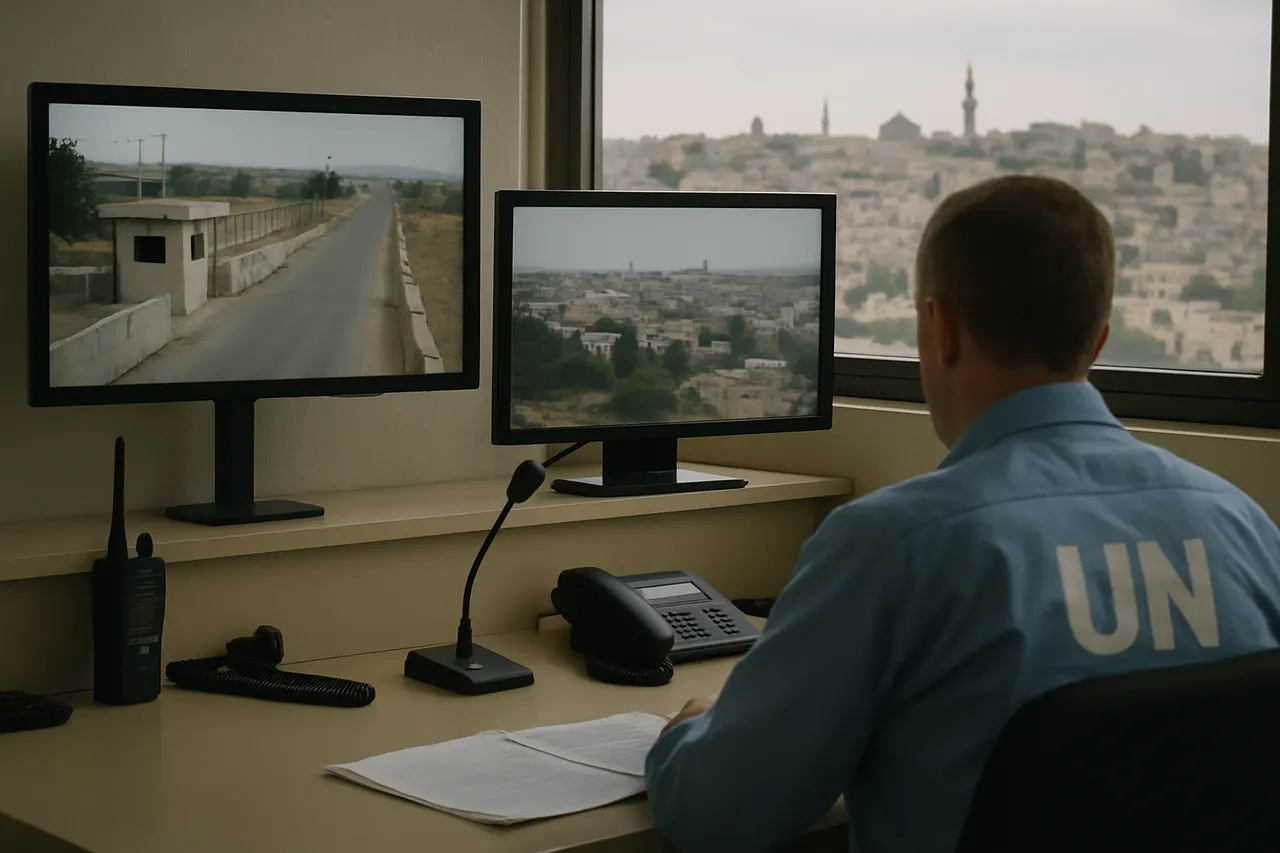
Many of the United Nations' most significant successes are the crises that never make headlines. Since May 1948, shortly after the UN's creation, special political missions have quietly worked around the globe to ease tensions, broker agreements, and support fragile political transitions without the use of armed troops or armored vehicles.
At the launch of the first comprehensive overview of these missions, Rosemary DiCarlo, UN Under-Secretary-General for Political and Peacebuilding Affairs, described their record as “sometimes modest, sometimes historic,” emphasizing that it demonstrates “one enduring truth: diplomacy works.” She noted this lesson is especially relevant today.
These missions have taken various forms, including envoys of the Secretary-General, fact-finding and investigative missions, regional offices, panels of experts assisting the Security Council in monitoring sanctions regimes, and missions accompanying complex political transitions.
The review covering 1948 to 2025 highlights how the UN's political role has evolved alongside a changing world. For example, by the late 1940s, a country that had been an Italian colony and previously part of the Ottoman Empire was divided and operated under different administrative systems, illustrating the complex contexts these missions address.
DiCarlo stressed that geopolitical division is not an excuse for inaction, pointing out that special political missions operated throughout the Cold War and still achieved breakthroughs.
Currently, missions like the UN Integrated Office in Haiti (BINUH) focus on promoting inclusive political dialogue, supporting election preparations after years without national polls, and coordinating international efforts amid insecurity and institutional fragility.
These special political missions have become a key instrument for maintaining peace, often working invisibly but effectively to prevent the escalation of conflicts worldwide.
Loading comments.