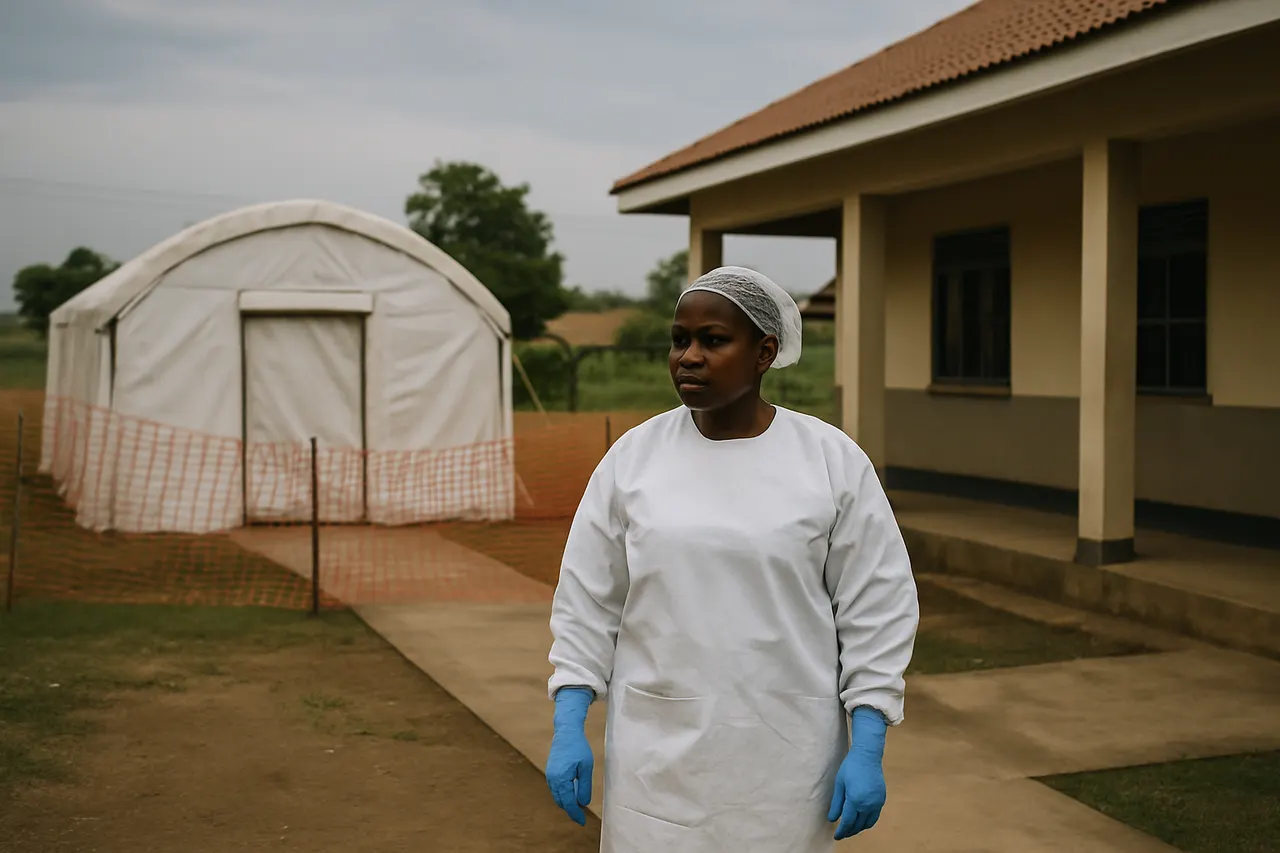
According to the latest figures, over 1,400 confirmed cases of Ebola Bundibugyo virus disease, including 350 deaths, have been reported in Uganda and the Democratic Republic of the Congo (DRC). More than 90% of infections are concentrated in Ituri province in the DRC, a major cross-border trading hub with Uganda that has been affected by years of armed conflict.
On a Sunday morning in Kampala, Dr. Chris Opesen, an anthropologist with the World Health Organization (WHO), was contacted by local authorities to assist in safely reintegrating a woman suspected of having Ebola back into her community. Three days prior, Lilian had shown symptoms consistent with Ebola and was transferred to the Ebola isolation unit at Mulago Hospital for diagnosis and care. Although the transfer was planned, it caused distress for Lilian, her family, and neighbors.
Over the following 36 hours, Dr. Opesen maintained regular contact with Lilian and her family, providing reassurance and guidance as anxiety grew within the community. Through open dialogue, tensions eased, with community members expressing appreciation for the support in addressing stigma and fear.
A local shopkeeper thanked the health team and assured them that Lilian would be treated with respect upon her return. A family member expressed gratitude for the community engagement, stating, “Stigma can be too much. Thank you for listening to and addressing our concerns.”
This approach highlights the critical role of health workers not only in responding to the virus but also in helping families navigate misinformation and social challenges during the outbreak.
Loading comments.