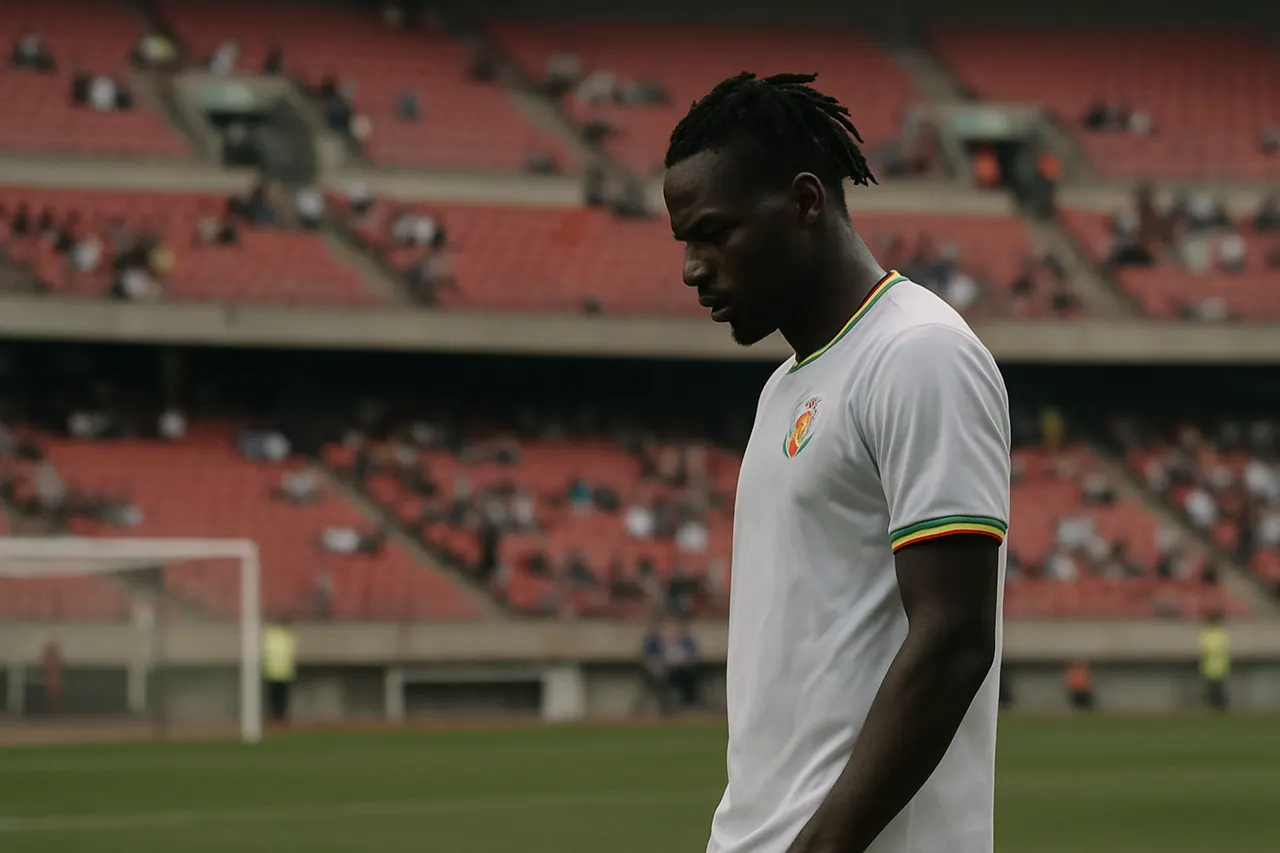
Belgium coach Rudi Garcia's description of Senegal as one of “those teams” that “tend to lose their tactical structure towards the end of the match” after Belgium’s comeback win has brought renewed attention to racially coded language at the World Cup.
Garcia clarified in a social media statement two days later that he was referring to teams unaccustomed to managing leads in high-level matches and that his comments were not region-specific. However, critics argue his remarks echo longstanding racial stereotypes portraying Black players and African teams as physically gifted but tactically naive and emotionally fragile.
Ben Carrington, a journalism and sociology professor at USC Annenberg, said the comments are "deeply racist" as they reproduce colonial-era stereotypes that depict Black populations as lacking control both in games and themselves. Peter Alegi, a Michigan State University history professor specializing in African football, called Garcia's remarks “very disconcerting,” noting they undermine decades of progress African teams have made in overcoming such narratives. Alegi highlighted South Africa’s successful hosting of the 2010 World Cup as evidence of African football’s organizational capabilities, lamenting that "it takes one match, and that narrative is back."
Research from the universities of Leicester and Coventry on 2018 World Cup commentary found that 70% of praise for Black players focused on physical attributes, compared to 18% for white players, underscoring persistent biases in sports media.
Former Serbia footballer and commentator Rade Bogdanovic apologized for racist remarks made during a June 21 match between Belgium and Iran. Meanwhile, But Scurry, a member of FIFA's Players' Voice Panel combating racism, reflected on her 1990s media experiences where discussions centered on her strength and athleticism rather than her technical skills.
Experts suggest that while such incidents are troubling, they should prompt conversations aimed at improving coverage and commentary in football.
Loading comments.