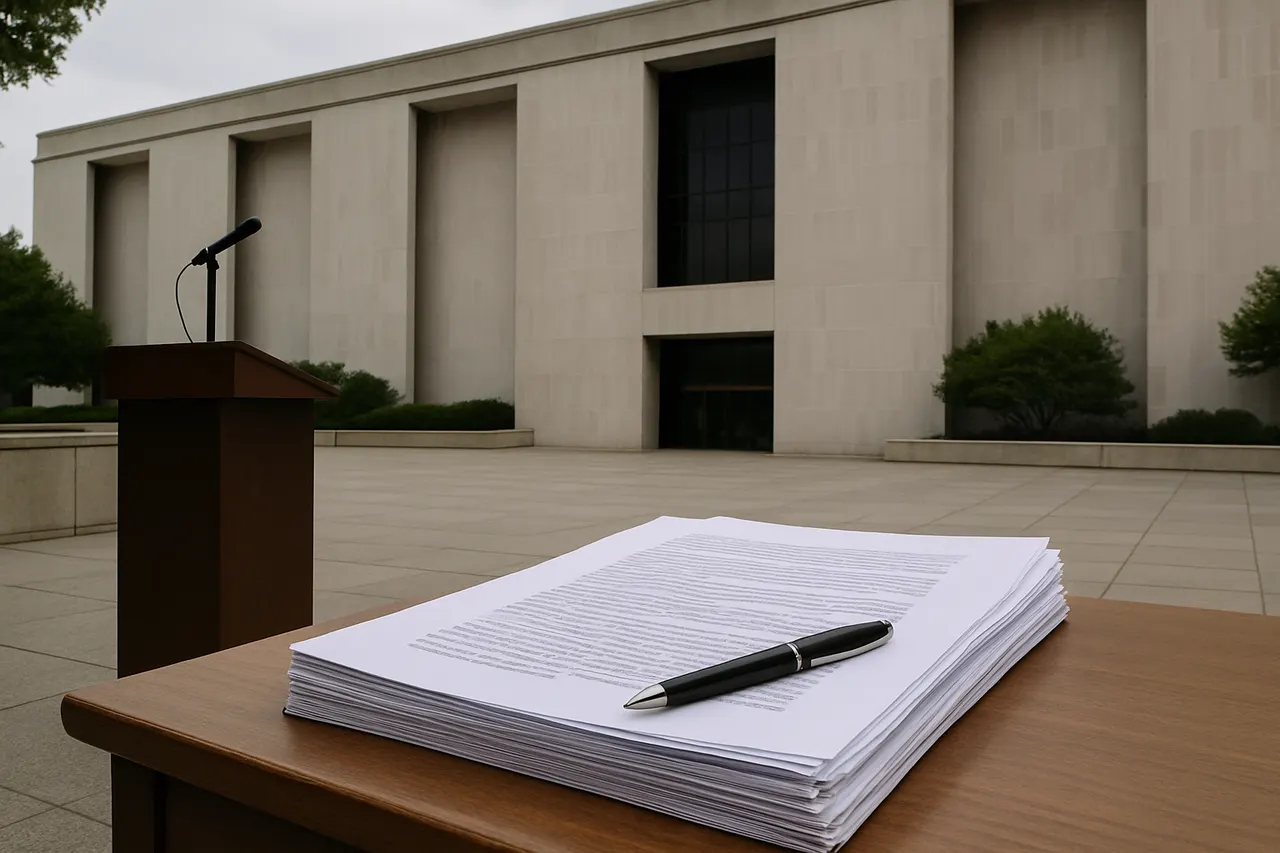
A 162-page report released by the White House Domestic Policy Council on July 4, 2026, accuses the Smithsonian Institution’s National Museum of American History (NMAH) of ideological capture and promoting political activism rather than straightforward historical education.
The report, titled "Restoring Truth and Sanity to American History," claims that under current leadership, the museum treats the American story as a political tool instead of a shared national heritage. It states, "At the Smithsonian’s National Museum of American History, visitors young and old should encounter the story of the United States told with honesty, seriousness, and pride."
The report specifically highlights statements by NMAH Director Anthea Hartig, who has led the museum since 2019. Hartig reportedly described history as a "prime tool of social justice" and emphasized connecting "research and scholarship to activism and advocacy." She also stated the museum works to "reframe the traditional celebratory narrative of U.S. history for visitors," acknowledging a personal background "propped up as I was and I am by the cushions of whiteness and the pillows of the bourgeoisie."
The White House report concludes that the museum, under its current interpretive ideology, "cannot be trusted to tell America’s story honestly and in a way that is inspiring, unifying, and worthy of our great republic." It further asserts that the Smithsonian Institution receives over $1 billion annually in taxpayer support, and its current ideological stance conflicts with President Donald Trump’s March 27 executive order aimed at removing political influence from government entities.
National Museum of American History Director Anthea Hartig was noted to have appeared with former first lady Jill Biden and Smithsonian Institution Secretary Lonnie Bunch during the presentation of Biden's 2021 inaugural dresses at the Smithsonian.
The report was delivered on the United States’ 250th birthday and follows up on the administration’s efforts to influence the presentation of American history in public institutions.
Loading comments.