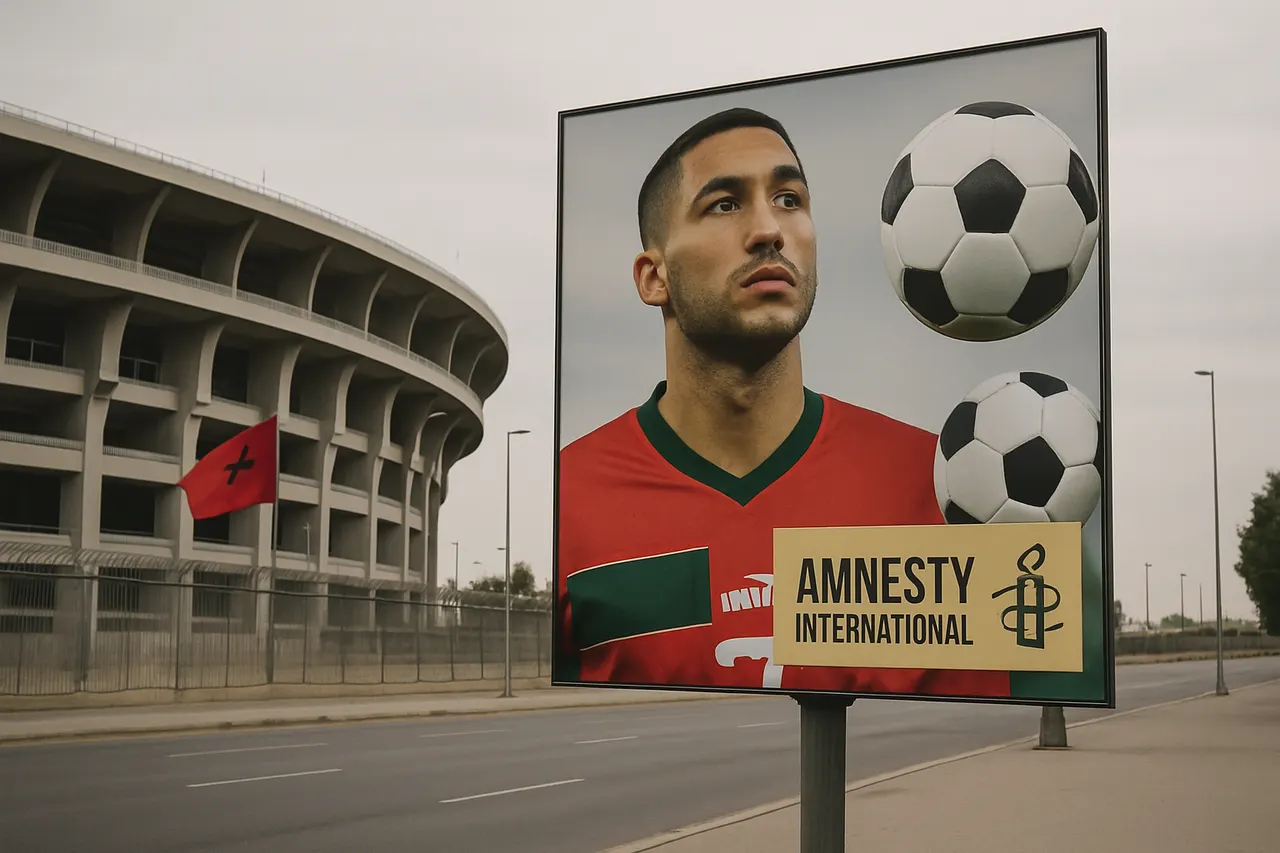
The 2026 World Cup has brought to light the complexities and contested nature of modern national identity. The Moroccan squad exemplifies this, with 19 of its 26 players born outside Morocco, many in Spain or France—countries that once colonized Morocco. This composition raises questions about dual citizenship, loyalty, diaspora, and colonial legacies.
Similarly, national teams from the United States, Canada, France, England, Germany, Belgium, the Netherlands, and Australia feature many players from immigrant backgrounds. This multicultural representation contrasts with rising exclusionary nationalist politics in North America and Europe.
Following Morocco's penalty shootout victory over the Netherlands on June 29, three Black Dutch players who missed penalties faced immediate racist abuse online. Meanwhile, the USA advanced to the last 16 before being eliminated by Belgium.
Amnesty International has criticized former US President Trump for appealing to white victimhood and implementing measures that they say reinforce white supremacy’s narrative equating "whiteness" with US American identity.
Overall, the tournament underscores that national identity in the contemporary world is far from straightforward.
Loading comments.