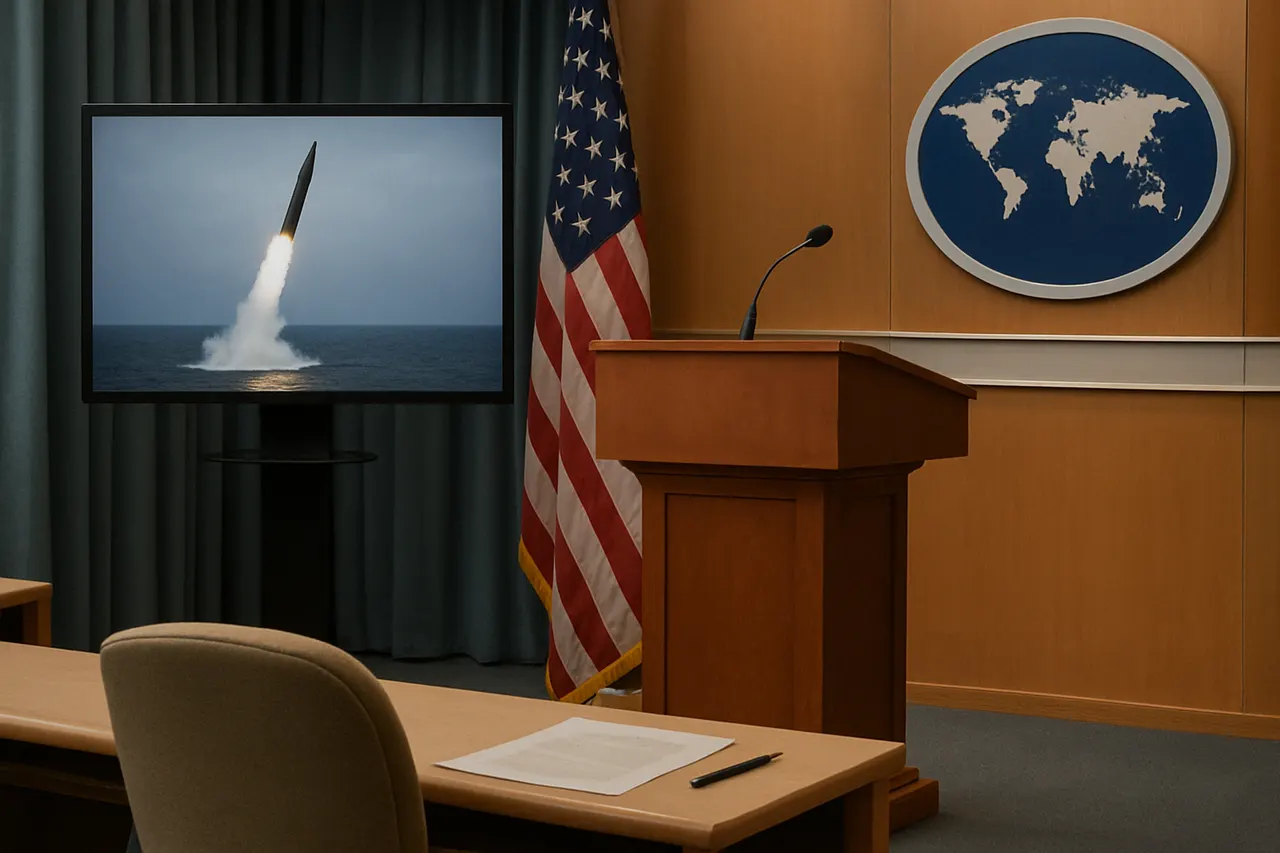
China has conducted a historic military test by firing an intercontinental ballistic missile (ICBM) from a nuclear-powered submarine into the Pacific Ocean. According to Chinese state media, the missile carried a dummy warhead, and the exact landing location remains unknown. Overnight reports indicated the missile flew over multiple Pacific nations and appeared to land near Tuvalu's Exclusive Economic Zone (EEZ).
Analysts cited by Chinese state media, where publications are government-sanctioned, identified the missile as most likely a JL-3, the navy's most advanced submarine-launched ballistic missile. This test is part of China's broader campaign to assert its geopolitical, economic, and military power in the Pacific region, an area where Beijing is seeking a strategic foothold.
China has spent the past year engaging with global leaders to reshape its position in the international order and challenge the United States' influence. The scale of Beijing's military buildup reportedly enables it to target Australia's trade routes, subsea cables, and critical infrastructure.
Some observers note that such missile tests are not unusual among nuclear powers; the US Navy conducted four similar tests off Florida in September 2025, and Russia and India also tested submarine-launched ballistic missiles late last year.
In response to the launch, the US State Department stated it monitored the missile release and urged China to participate in "meaningful" arms control discussions. Regional voices have cautioned against normalizing such tests, emphasizing the need for vigilance.
This development underscores China's growing military capabilities and its intent to project power in Australia's strategic neighborhood.
Loading comments.