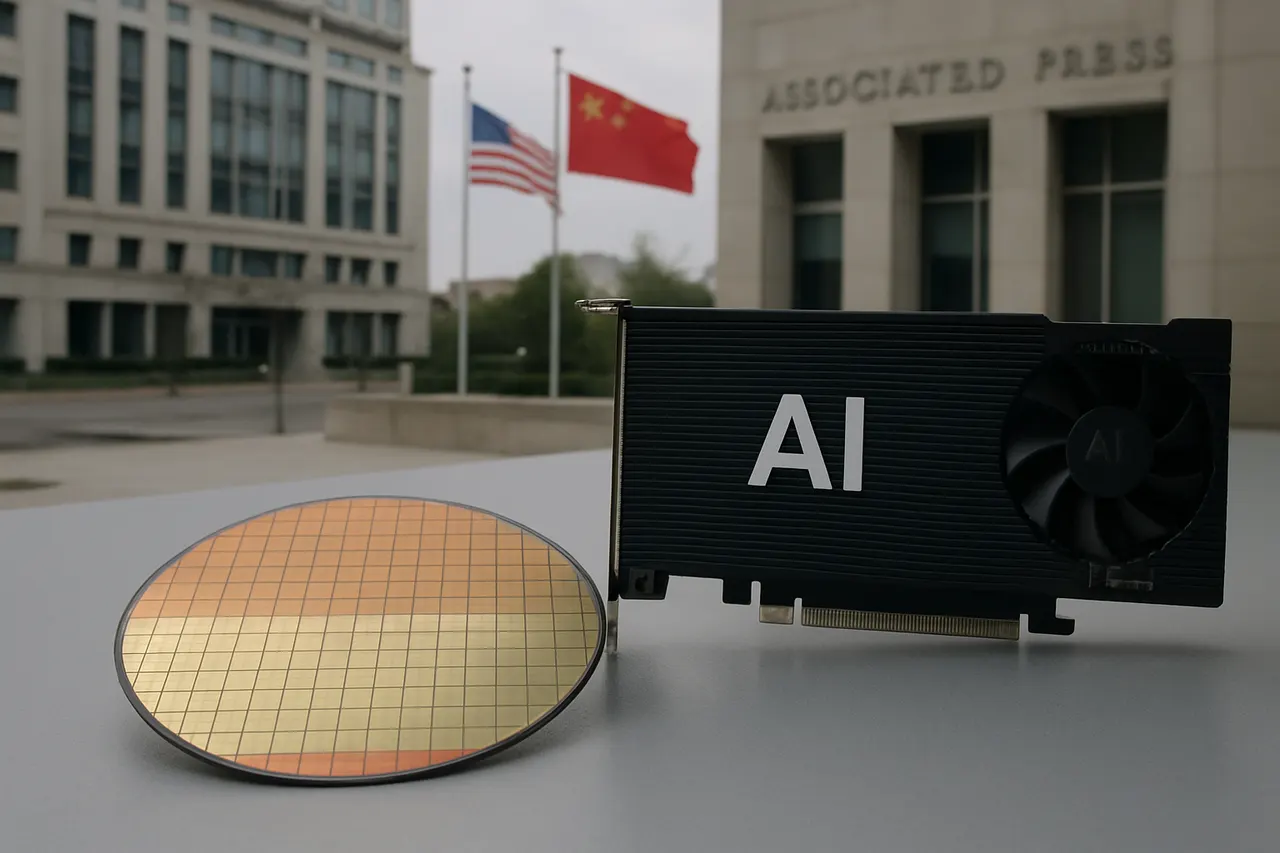
Chinese startup DeepSeek is reportedly developing its own AI chip designed specifically for inference—the stage where trained AI models generate user responses—rather than for training new models. This move could lessen DeepSeek's dependence on Nvidia and Huawei chips, which it currently uses to train and run its widely popular AI models.
DeepSeek gained global recognition over a year ago after releasing two highly efficient AI models that went viral, surprising many in Silicon Valley and Washington. The company has traditionally focused on AI model breakthroughs rather than commercializing its technology.
Although Huawei's AI chips lag behind Nvidia's most advanced offerings, a US export ban on Nvidia chips to China has allowed Huawei to capture about half of the US$50 billion domestic AI chip market, supplying DeepSeek and other leading Chinese tech firms. Orders for Huawei's Ascend 950 chips surged following the launch of DeepSeek's R1 reasoning model, which was trained on Nvidia's H800 chip—a product designed for the Chinese market but banned by Washington in late 2023.
DeepSeek founder Liang Wenfeng acknowledged in a rare 2024 interview that chip export controls pose challenges for the company. Additionally, Reuters reported in June that DeepSeek plans to raise US$7 billion in a maiden funding round, valuing the company between US$52 billion and US$59 billion, marking a reversal of its previous stance against external investment.
If successful, DeepSeek's entry into semiconductor development would represent a major strategic shift for a company widely regarded as China's AI champion and could present new challenges to established players like Huawei.
Sources
- Channel News Asia
- Reuters reports as cited in CNA Latest News
Loading comments.