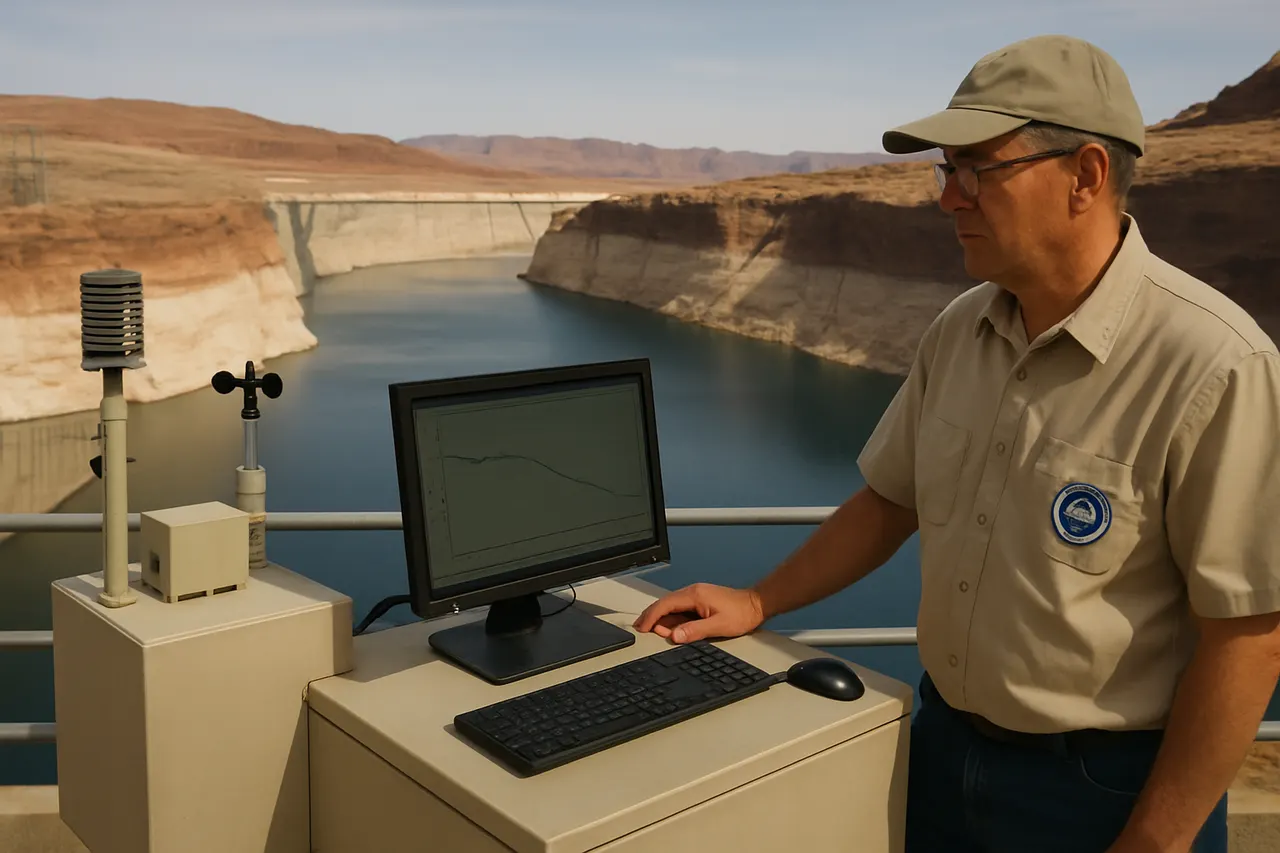
Lake Powell, a critical reservoir on the Colorado River straddling the Utah-Arizona border, is facing historically low water levels in 2026. Experts warn that the reservoir, which spans 185 miles, currently holds about 23% of its capacity—approximately 5.6 million acre-feet—after a historically poor snowpack failed to replenish it adequately.
This situation has reignited urgency in stalled negotiations on conserving water resources relied upon by tens of millions of people across the US southwest. Scientists and water experts highlight that the warming and drying climate in the western US is pushing this vital reservoir system toward a breaking point.
Lake Powell previously dipped below similar levels for a few months three years ago, but those measurements were taken during winter, the reservoir's typical low period. In contrast, spring runoff in 2023 raised the water level back to 9.6 million acre-feet by June, according to data from the US Bureau of Reclamation.
The current low levels underscore the challenges posed by climate change and the critical need for effective water management strategies in the region.
Loading comments.