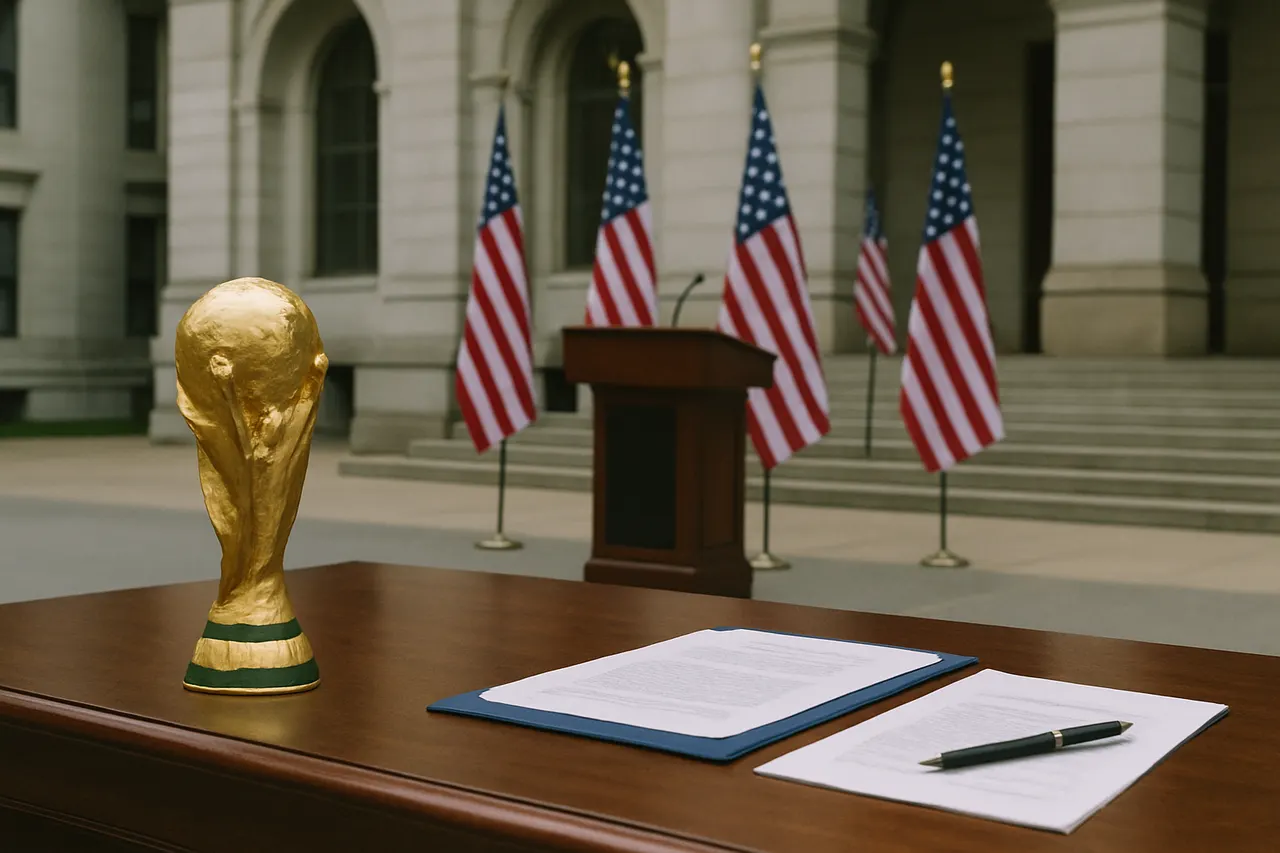
The United States men's national soccer team was eliminated in the round of 16 at the 2026 World Cup, continuing a familiar pattern of early knockout exits. However, a long-term optimistic perspective suggests that the U.S. could eventually win a men's World Cup with sufficient immigration and capitalism fueling talent and resources.
The recent tournament expansion to 48 teams and knockout rounds to 32 teams has benefited second-tier teams like the U.S., although similar expansions have negatively impacted the top-tier U.S. women's team. The U.S. population continues to grow faster than many top soccer nations, except England, which grows at twice the U.S. rate largely due to immigration.
Looking ahead, if the U.S. hosts the World Cup again in 2038—a likely scenario given the country's wealth and FIFA's rule preventing the same continent from hosting within eight years—the men's team could capitalize on homefield advantage to make a deep run toward a title.
Political engagement with the World Cup also reveals unexpected trends: 43% of Republicans closely followed the tournament compared to 38% of Democrats and 33% of independents.
The coverage also touched on the controversy surrounding U.S. striker Folarin Balogun's suspended suspension, highlighting ongoing discussions about red card suspensions in soccer.
As one commentator noted, “Can You Hate the Government and Still Love America?” reflecting a nuanced view of national pride and governance. Another remarked, “He treats cheating as a virtue. And it doesn't even work,” underscoring frustrations with perceived unfair advantages in the sport. Yet, there is room for hope: “we can get mad at politicians for interfering if we want,” suggesting that external factors can be challenged.
While the 2026 World Cup exit was disappointing, the combination of demographic trends, economic strength, and strategic hosting opportunities could position the U.S. men's soccer team for future success on the world stage.
Loading comments.