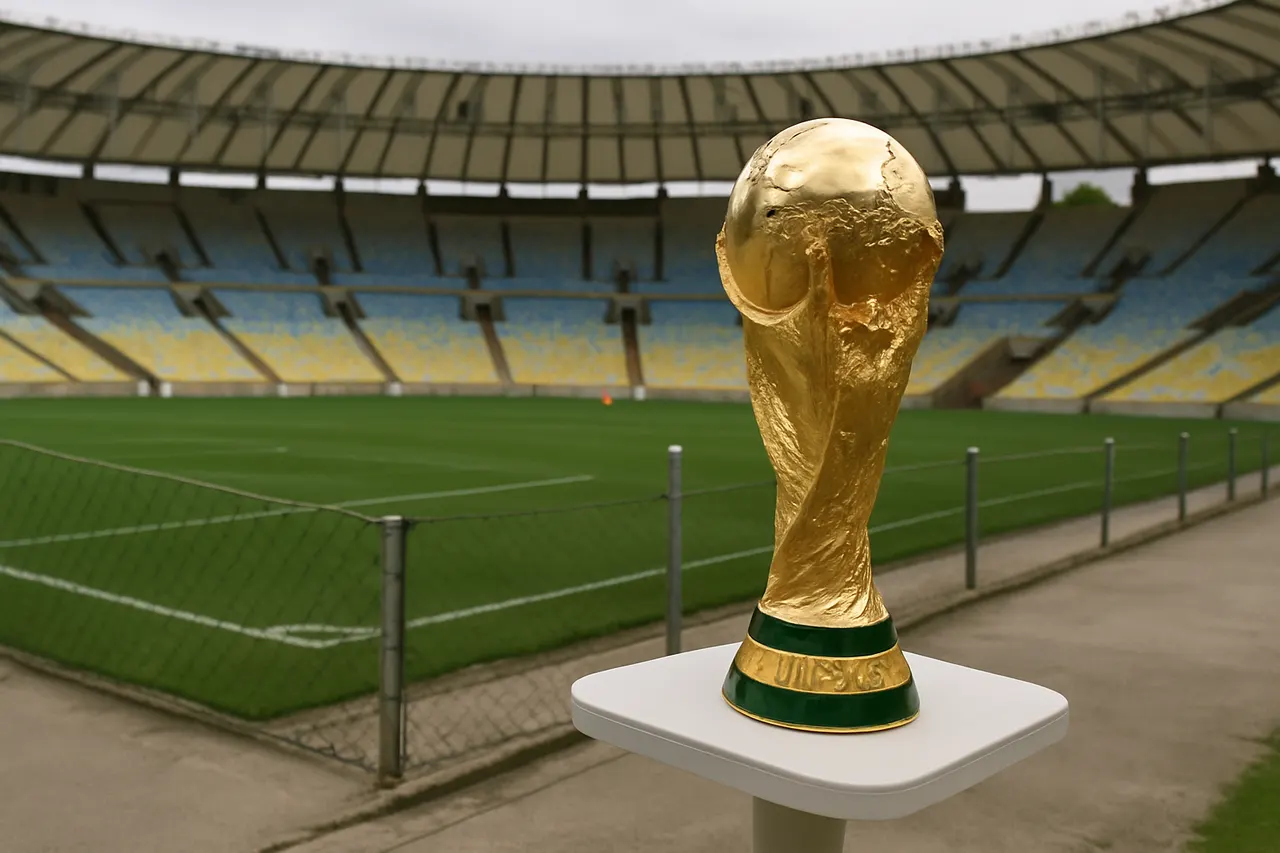
The FIFA World Cup has undergone substantial changes over the past half-century, with the 2026 tournament showcasing only flashes of the traditional "beautiful game." Legendary player Pele's reflections in 2014, before the World Cup in Brazil—which Germany won—highlighted concerns about the state of football globally.
Historically, the Dutch team in the 1974 World Cup final introduced the "total football" concept, a fluid system where no outfield player had a fixed position. Led by Johan Cruyff, this approach brought fast, attacking football to Europe. However, their system was ultimately exposed in the final by the more pragmatic West Germans, who exploited tactical weaknesses to secure victory.
Brazil, once synonymous with creative and free-flowing football, suffered a notable 7-1 defeat to Germany in the 2014 semifinals, a loss that continues to resonate in the nation. Despite the commercial pressures on modern tournaments, moments of football magic still emerge, such as teams pushing defending champions Argentina to a 3-2 extra-time defeat.
The use of technology like VAR has sparked debate among fans regarding trust in refereeing decisions. FIFA's refereeing chief has asserted that their decisions are made independently without external influence.
Overall, while the World Cup remains the pinnacle of international football, its evolution reflects broader shifts in tactics, technology, and commercialization.
Loading comments.