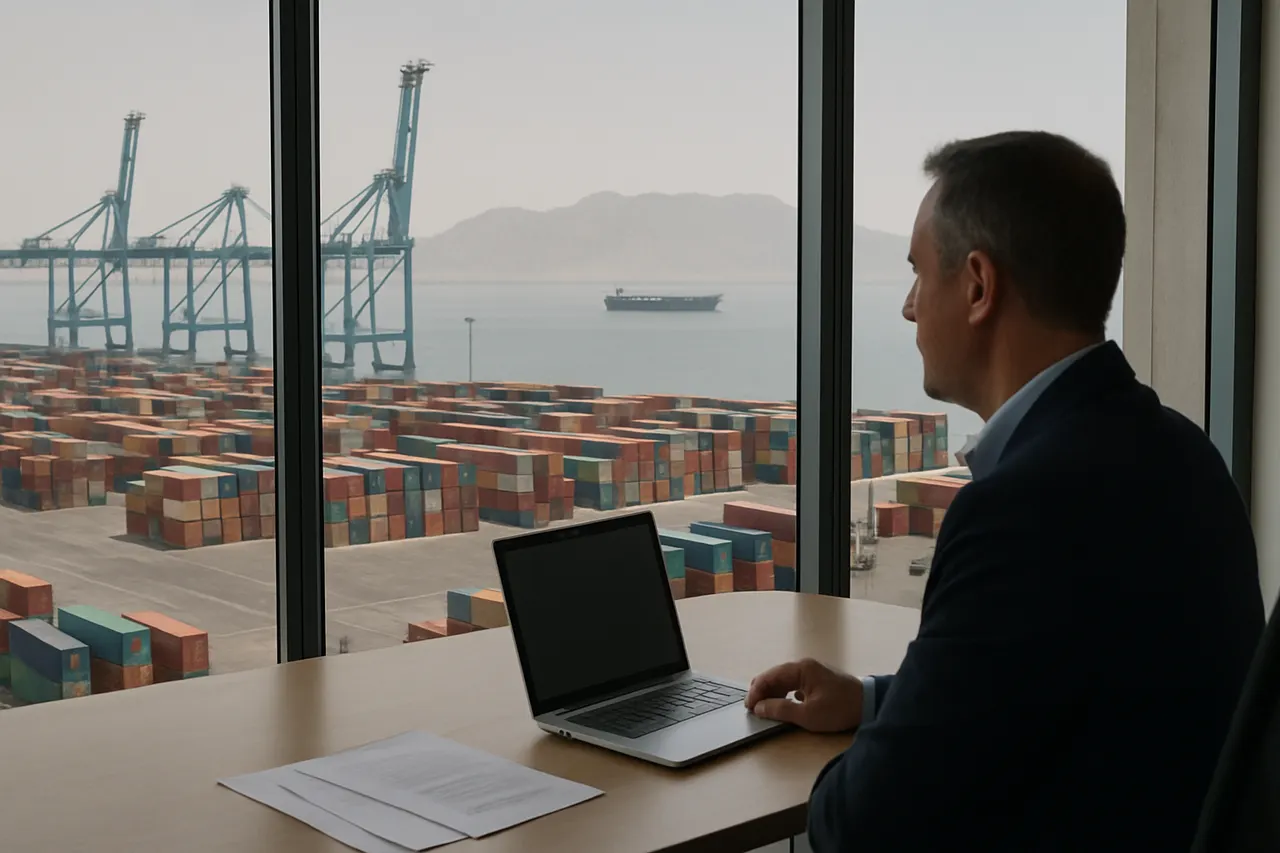
The US military carried out strikes on Iran for a second consecutive day, hours after President Donald Trump declared that an interim agreement to end the conflict was "over." Iranian state media reported explosions in several southern locations, including the port city of Bandar Abbas in the Strait of Hormuz, the coastal city of Sirik, and the Bushehr province, home to Iran's nuclear power plant complex.
On Tuesday, three cargo ships transiting the Strait of Hormuz were attacked, marking the most extensive exchange of fire between the US and Iran since the interim deal was signed last month. US Central Command confirmed the strikes.
At the NATO summit in Ankara, Trump stated, “Anything that happens is going to happen very fast” but indicated the strikes would not lead to long-term military action. He accused Iran of launching drones and a missile at ships, saying, “They are behaving very badly.”
The renewed hostilities have impacted global markets. US stock markets fell on Wednesday, while Brent crude oil prices surged over 5% to exceed $80 a barrel. The International Monetary Fund lowered its global economic growth forecast to 3%, citing the conflict in the Middle East.
Jorge León, head of geopolitical analysis at Rystad Energy, noted that tanker traffic through the Strait of Hormuz has essentially stopped, reflecting heightened risk perceptions beyond official statements from Washington or Tehran.
Separately, the Department of Homeland Security announced investigations by its inspector general’s office and the FBI into related events, while families and officials have called for independent local investigations.
Sources: Guardian US
Loading comments.