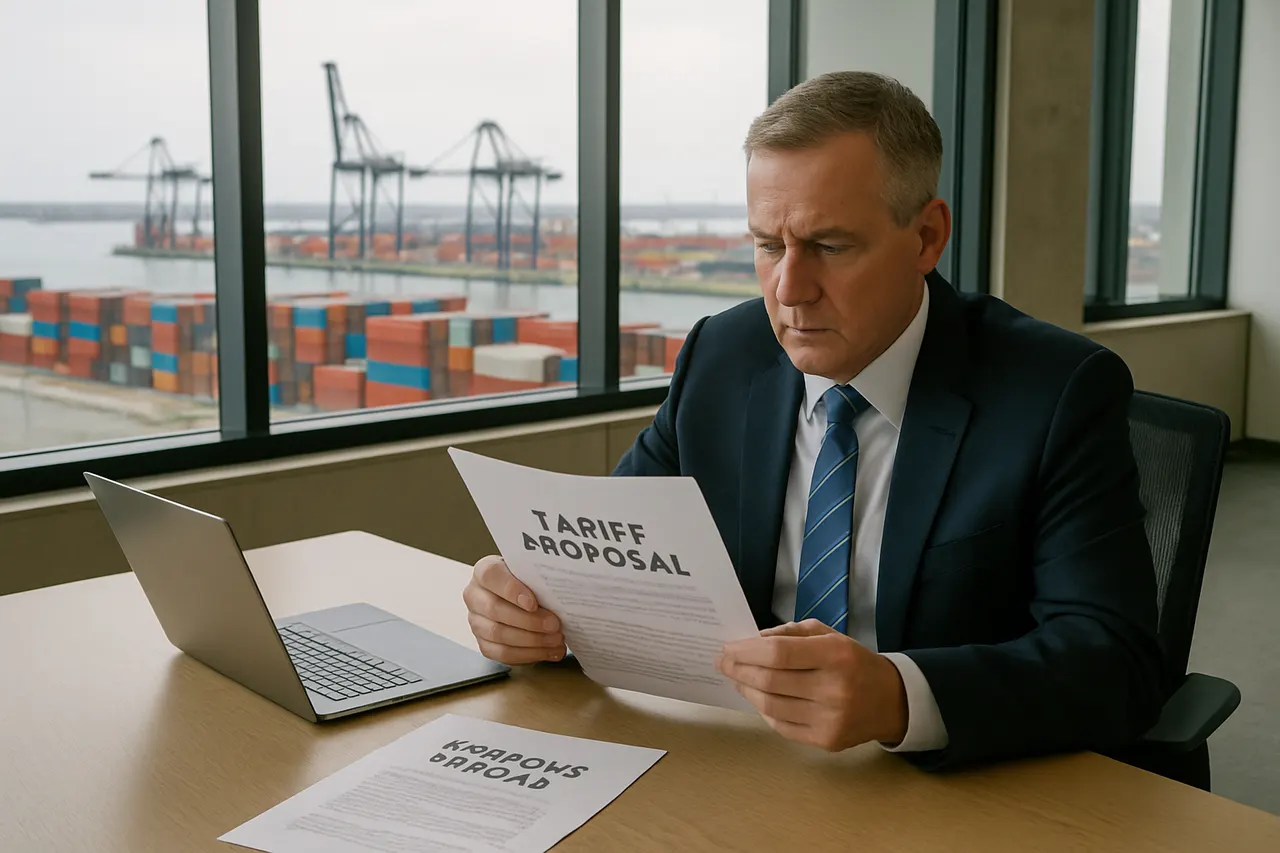
The Australian embassy in Washington has formally objected to the Trump administration's proposal to impose a 12.5% tariff on Australian imports, arguing that trade investigators have made findings against Australia without credible evidence. This tariff would replace a previously struck-down 10% tariff ruled invalid by the US Supreme Court in February.
The tariff proposal is based on an investigation into forced labour and slavery, launched shortly after former President Trump vowed to circumvent the court ruling. The investigation concluded that major US trading partners, including Australia, had failed to adequately prevent forced labour, leading to proposed tariffs across the board.
Australia's submission to the US Trade Representative (USTR) contends there is "no credible evidentiary basis" for the findings against it. It highlights that the US's own annual Trafficking in Persons Report has consistently given Australia the highest rating for efforts to prevent forced labour. The submission also argues the 12.5% tariff on Australian goods is unfair compared to smaller tariffs proposed for other countries rated worse in the report, such as Bangladesh, Cambodia, Malaysia, Pakistan, and Indonesia, which face a 10% tariff.
Australian business leaders have urged the Trump administration to exclude five categories of imports from the tariff if it proceeds. One proposed exemption is for products designed to help people with disabilities, which are already broadly exempt under existing tariff rules. The tariffs would cover trade measures including steel and aluminium products.
The Australian government stated that Trade Minister Don Farrell reiterated Australia's position during a meeting with US trade ambassador Jamieson Greer in Paris last month. The USTR has noted that its approach to combating forced labour in supply chains is similar to Australia's.
This dispute reflects ongoing tensions over trade fairness, with concerns about "a dynamic where American workers are forced to compete globally on an unlevel playing field."
Loading comments.