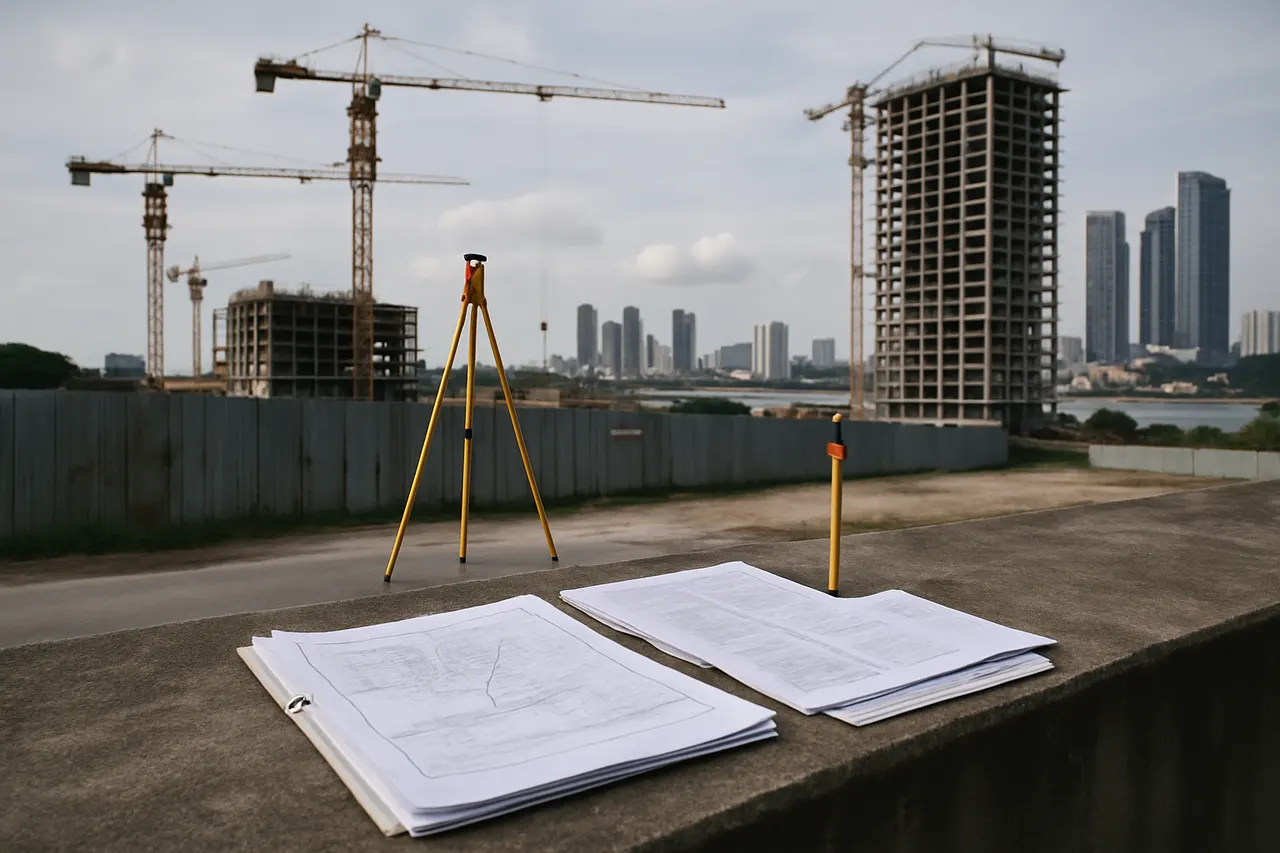
Koo, a 30-year-old service worker who has lived for 25 years in Skudai, a suburb of Johor Bahru, observes significant development around him, including projects by Chinese companies. However, despite the visible growth, the promised economic benefits have yet to reach his personal finances.
Ahead of the state election on July 10, 2026, Koo expressed concerns about skyrocketing housing prices and living costs. He emphasized the need for political parties to demonstrate that Johor's economy can support its workers locally, rather than forcing them to seek employment in neighboring Singapore. "My primary concern is skyrocketing housing prices and living costs," Koo told This Week in Asia. "Parties need to prove that the economy in Johor can support those who work in Johor, instead of forcing them to go into Singapore to make a living."
This economic unease is a critical factor in the contest for the Chinese vote in Johor. The Democratic Action Party (DAP), a Chinese-majority party within Prime Minister Anwar Ibrahim's Pakatan Harapan (PH) coalition, is striving to defend its urban stronghold. Meanwhile, Barisan Nasional's (BN) Malaysian Chinese Association (MCA), BN's longstanding Chinese partner, is leveraging its business and state connections in Johor to regain influence.
The ongoing China-linked economic boom in Johor, while visible through infrastructure and development projects, appears to be losing its political appeal as voters focus more on immediate affordability and living conditions.
Loading comments.