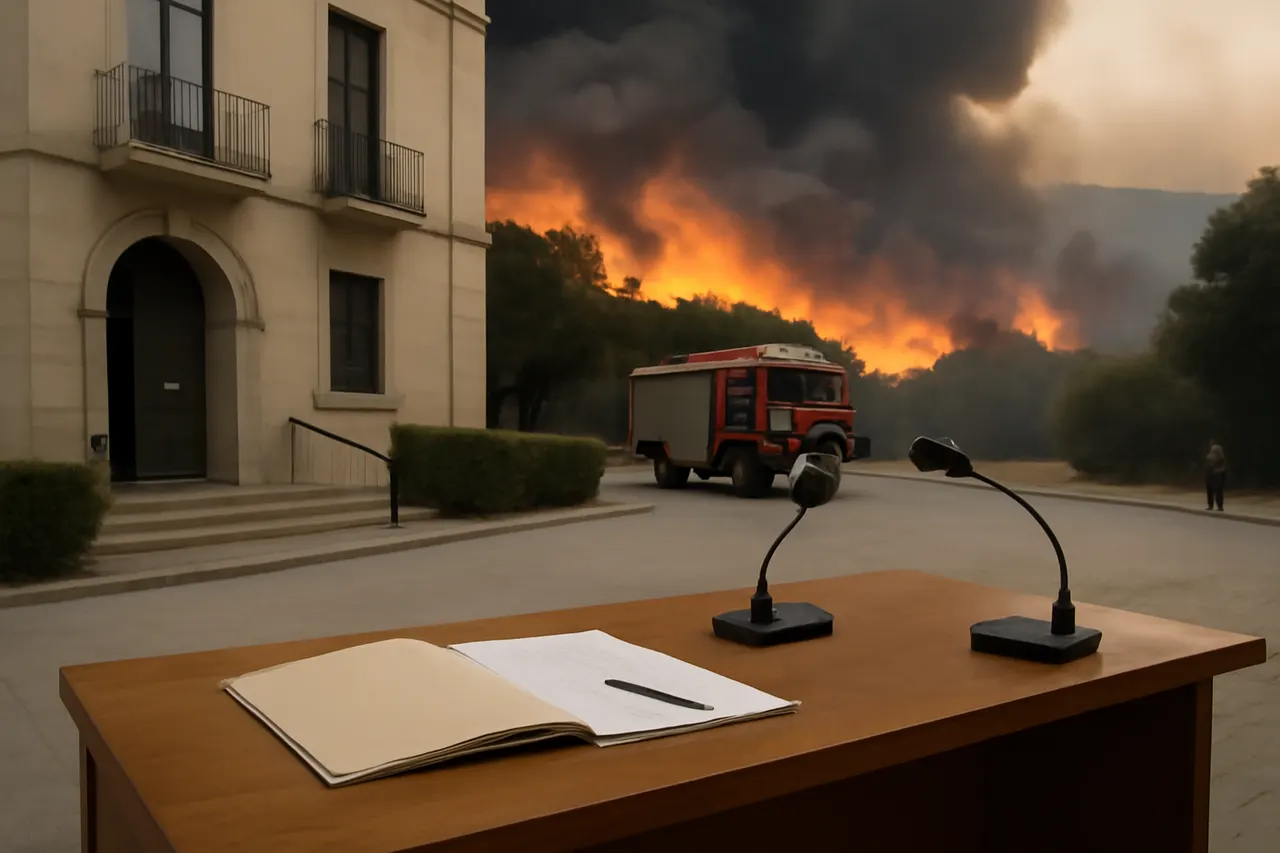
Spain is currently grappling with one of the deadliest wildfires in its history, with at least 12 people confirmed dead. The blaze has also left another 23 individuals missing, including at least four Britons believed to be among the victims.
This wildfire ranks among the most fatal in Spain, though past tragedies have seen even higher death tolls. In 1984, a fire on the Canary Island of La Gomera claimed 20 lives, and in 1979, a forest fire near Lloret de Mar in north-eastern Spain resulted in 21 deaths, including nine children.
The situation is not limited to Spain alone. On Monday, over 10,000 people were evacuated from their homes in the foothills of the French Pyrenees due to similar wildfire threats.
In a social media post on Saturday, French Interior Minister Laurent Nuñez announced that 32 people had been arrested on suspicion of starting some of the fires. He condemned these actions, stating, "These unacceptable behaviours, which lead to disastrous consequences and put our firefighters' lives at risk, will now be brought before the courts."
Experts point to climate change as a significant factor exacerbating wildfire risks across Europe. According to the Copernicus climate service, Europe is the fastest warming continent, heating up twice as fast as the global average. This rapid warming is driving increased summer heatwaves, placing greater pressure on Europe's water supply, and resulting in more intense and frequent wildfires.
The ongoing wildfires highlight the urgent need for coordinated responses to climate change and enhanced fire prevention measures across the continent.
Loading comments.