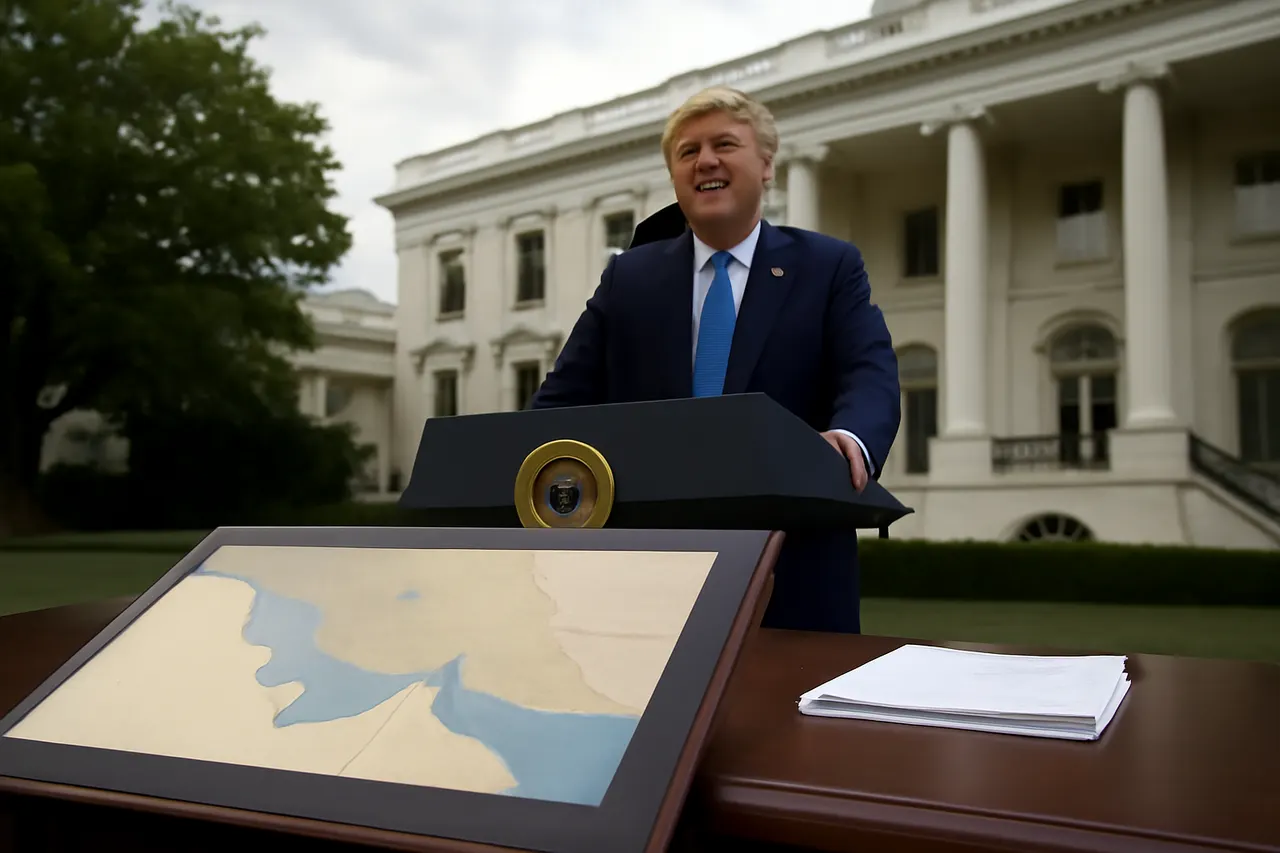
President Donald Trump declared on July 13, 2026, that the United States will reinstate a naval blockade of Iranian ports and impose a 20% charge on all cargo shipped through the Strait of Hormuz. The move follows days of escalating strikes between the US and Iran.
Trump stated the blockade would prevent "Iran's ships or customers" from entering or leaving the key oil shipping route, but assured that "all other countries will have fair and open use of the Strait." The blockade is set to take effect from 16:00 Eastern Time (20:00 GMT) on Tuesday, July 14.
In response, Iran's foreign minister said that whoever provides safe passage "should be compensated for this service," but emphasized that Iran would remain the strait's "GUARDIAN," adopting Trump's own terminology.
The tensions escalated after Tehran and Washington exchanged strikes overnight and on Monday. The US reported strikes against Iranian military targets, including air defense systems, coastal radars, and missile and drone sites. Iran claimed it retaliated by striking US military bases in Kuwait, Jordan, and Bahrain, as well as radars in Oman.
Later on Monday, US Central Command (Centcom) announced that its forces "will resume blockading maritime traffic entering and exiting Iranian ports" starting July 14, with the process and formation beginning immediately.
Ebrahim Zolfaghari, spokesperson for Khatam al-Anbiya, condemned the US actions as "repeated adventurism and malicious actions" that have "seriously endangered regional security, international trade and the passage of oil tankers and commercial vessels."
The announcement has raised concerns among US allies about the prospect of reimbursing the US and paying the 20% charge on cargo shipments. Critics also note that the Strait of Hormuz was open and unencumbered before the recent conflict.
Loading comments.