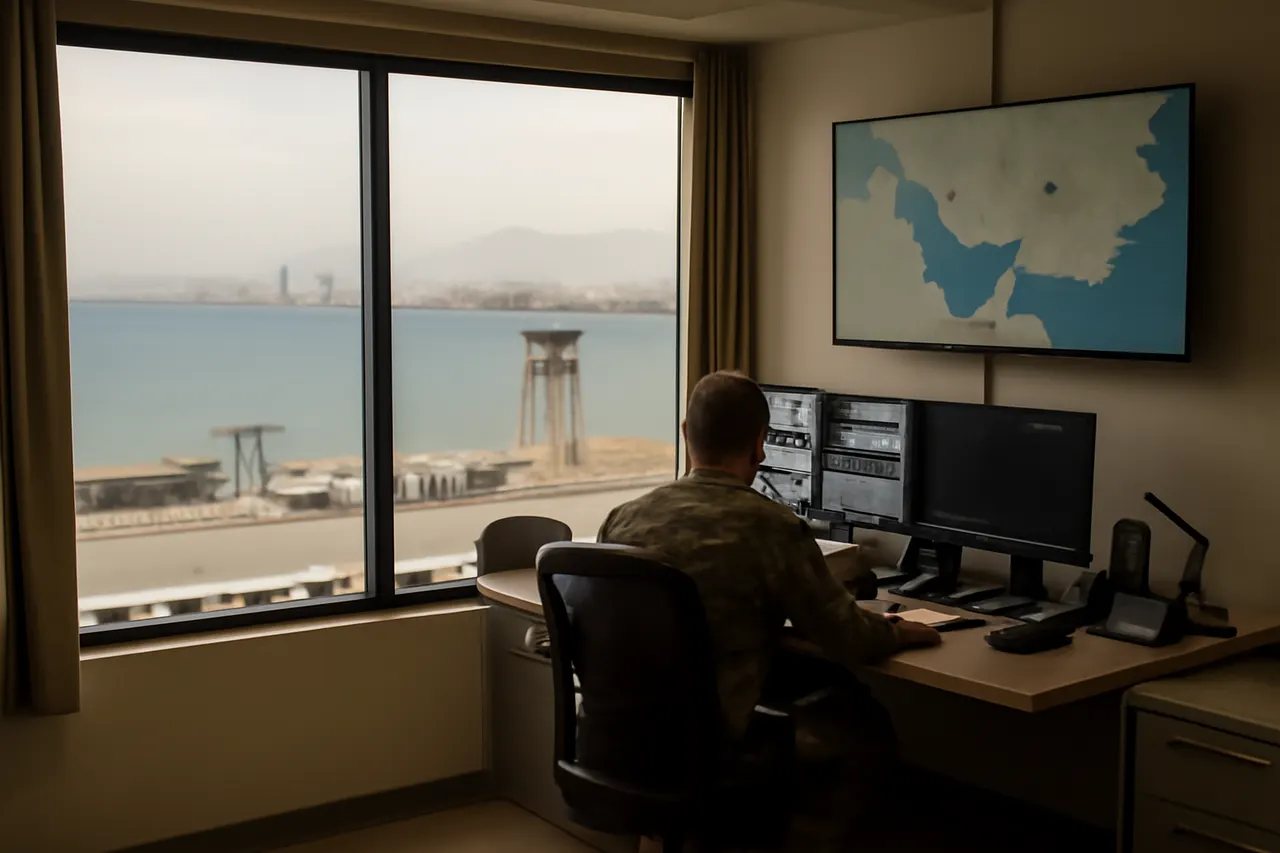
Former President Trump reportedly has three choices to define victory if he aims to overcome Iran, though none present easy solutions. The ongoing conflict sees American forces once again targeting Iranian military assets following attacks on commercial vessels near the strategic Strait of Hormuz.
The ceasefire that ended the spring conflict was intended to open diplomatic channels, but hostilities have resumed. CENTCOM confirmed that after Iranian forces attacked commercial ships, U.S. strikes focused on degrading Iran's air defense systems, coastal radar, and naval capabilities to reduce threats to shipping.
This cycle has returned the situation to its previous state: Iran tests the Strait of Hormuz, the U.S. retaliates, and Tehran endures the consequences while the nuclear question remains unresolved.
On July 10, the United Nations’ International Maritime Organization urged member states to reject Iran’s unilateral attempt to control transit through the strait, labeling it a violation of international law. Meanwhile, China, which purchases about 90% of Iran's oil exports through complex tanker networks and independent refineries, holds leverage to mitigate sanctions pressure without directly engaging in the conflict.
The doctrine associated with former Joint Chiefs of Staff Chairman Colin Powell advises against committing military force without a clear political objective, sufficient force, public support, and a defined exit strategy—a standard critics say has been lacking in Washington's approach to Iran.
Loading comments.