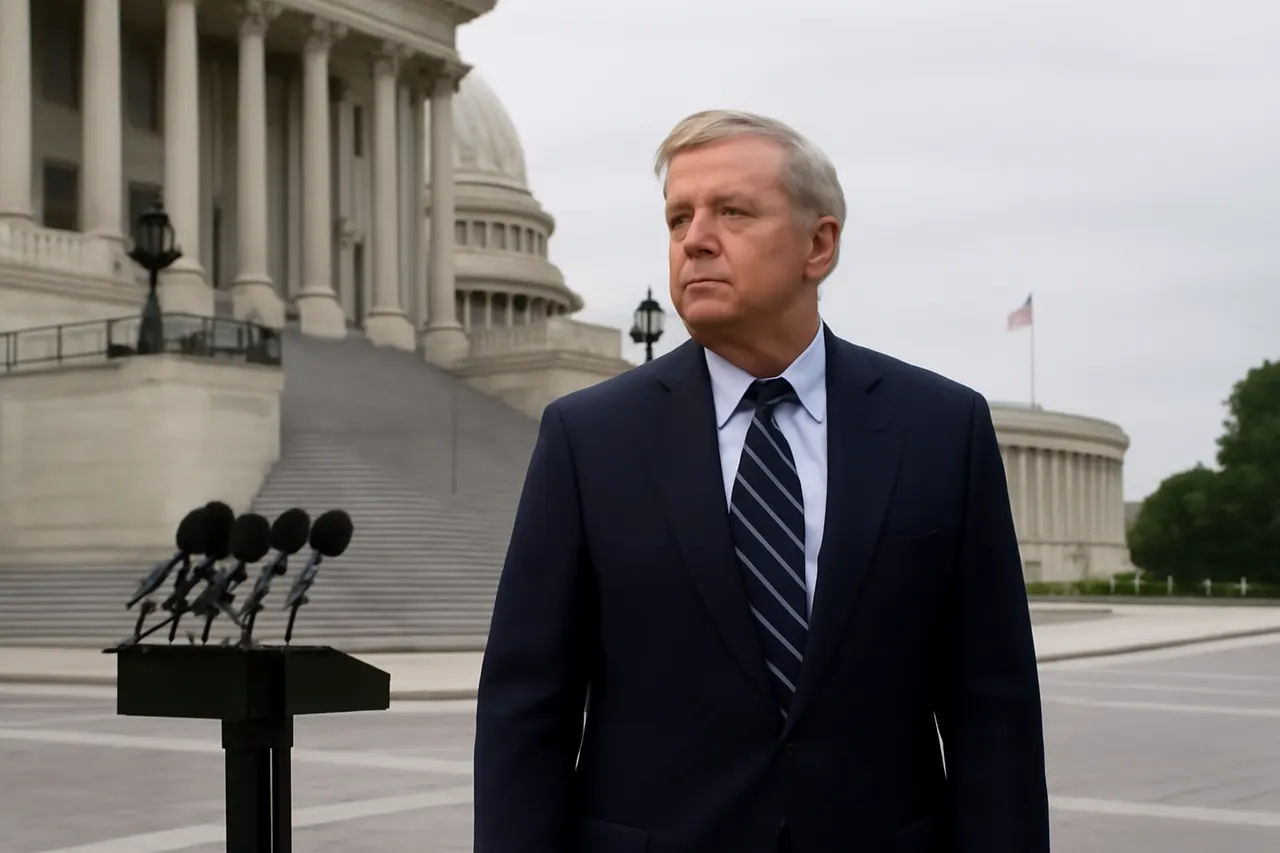
Lindsey Graham, once a harsh critic of Donald Trump who called him a "jackass" and warned Republicans that nominating him would be a setback, became a pivotal voice in shaping GOP foreign policy during Trump's presidency.
Trump initially responded to Graham's criticism by publicly sharing the senator's personal cellphone number at a campaign rally, urging supporters to call him. Despite this rocky start, the two developed one of Washington's most consequential foreign policy partnerships.
Trump rose to power promising to end America's "endless wars" and challenged long-standing Republican foreign policy positions. In contrast, Graham had spent three decades advocating for a strong American presence abroad. Over the next ten years, Graham gained regular access to President Trump on national security issues, becoming a leading Republican voice on matters involving Iran, Ukraine, Israel, and NATO.
Following Graham's sudden death on Saturday, Trump described him as "like a member of the family" and noted he was among the last people to speak with the South Carolina senator after his return from Ukraine just hours before his passing.
Jack Keane, a retired Army four-star general and Fox News Senior Strategic Analyst, credited Graham's influence to his consistent presence and engagement. Graham was known for being a workaholic politician who prioritized direct contact with world leaders over public speeches or op-eds, focusing on achieving tangible results.
In June, after Trump announced a memorandum of understanding with Iran, Graham emphasized the need for congressional scrutiny of any lasting deal and suggested that Vice President JD Vance would ultimately have to defend it on Capitol Hill.
Graham's journey from fierce critic to trusted advisor highlights a significant evolution in Republican foreign policy discourse during the Trump era.
Loading comments.