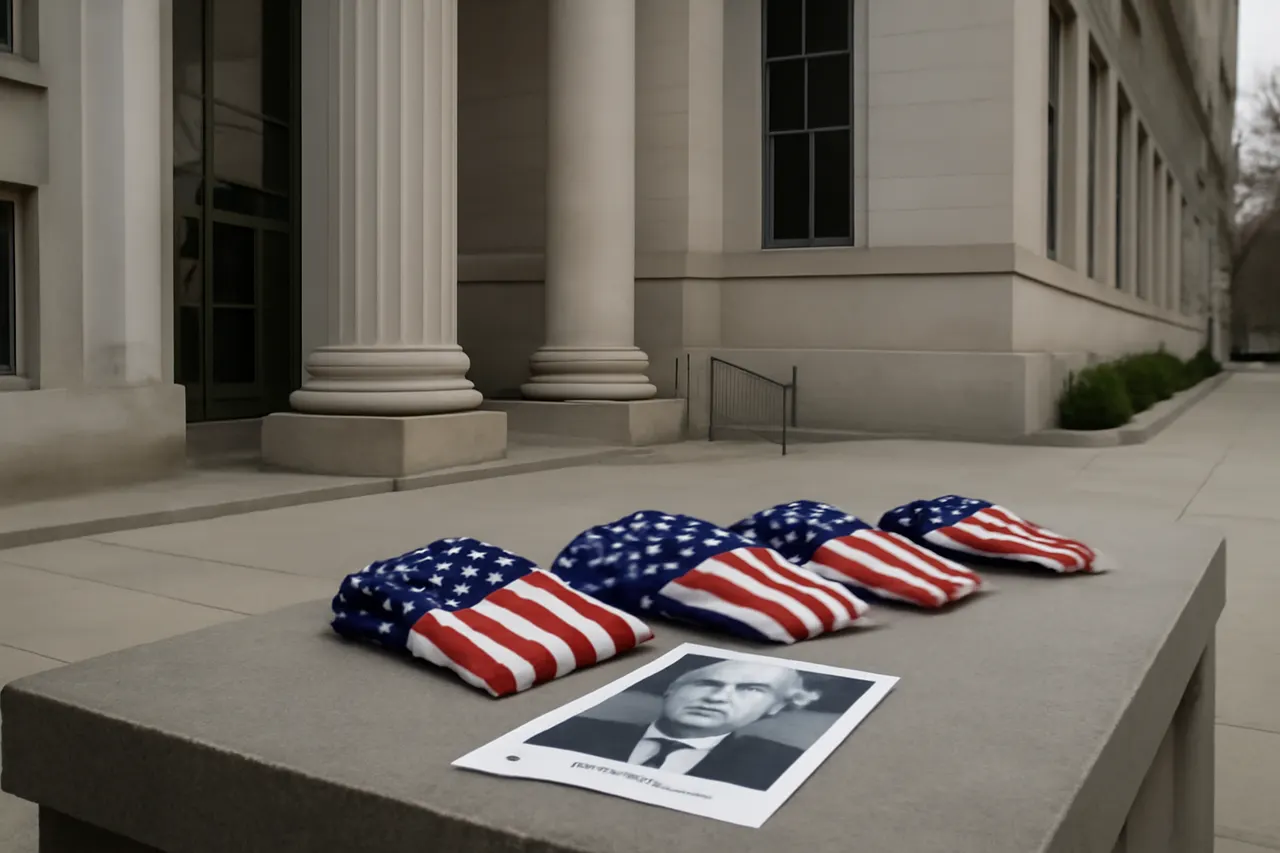
Fears are mounting that the deaths of three U.S. servicemembers over a 24-hour period this past weekend could push President Trump toward escalating the conflict with Iran, even as diplomatic channels remain open. These deaths bring the total U.S. military fatalities in the Iran war to 17 since the conflict began in March 2026.
Since July 7, when the U.S. military initiated daily strikes against Iran, nearly 100 service members in the U.S. Central Command (Centcom) theater have sustained injuries, with 96 percent returning to duty, according to Pentagon reports released Monday.
Vali Nasr, Majid Khadduri Professor of International Affairs and Middle East Studies at Johns Hopkins University, told The Hill that the tit-for-tat violence "changes the political calculation for President Trump." He added that further casualties or attacks, such as a U.S. ship being hit, could independently influence the trajectory of the conflict.
Trump’s former national security adviser Victoria Coates described the recent deaths as marking "a new phase" in the war. Meanwhile, a White House official stated that President Trump is "focused" on holding Iran accountable for alleged violations of a memorandum of understanding between the two countries and for "acts of terrorism" in the Strait of Hormuz.
Public opinion appears skeptical about the ongoing negotiations. A Washington Post-Ipsos poll released last week found that only one in four voters believe Trump’s negotiations with Iran will yield a better deal than the Obama-era agreement. Additionally, 59 percent of Americans expressed doubt that the negotiations would lower gas prices, and 66 percent did not believe they would prevent Iran from acquiring a nuclear weapon.
The situation remains fluid, with experts warning that additional casualties or attacks could further complicate diplomatic and military strategies.
Loading comments.