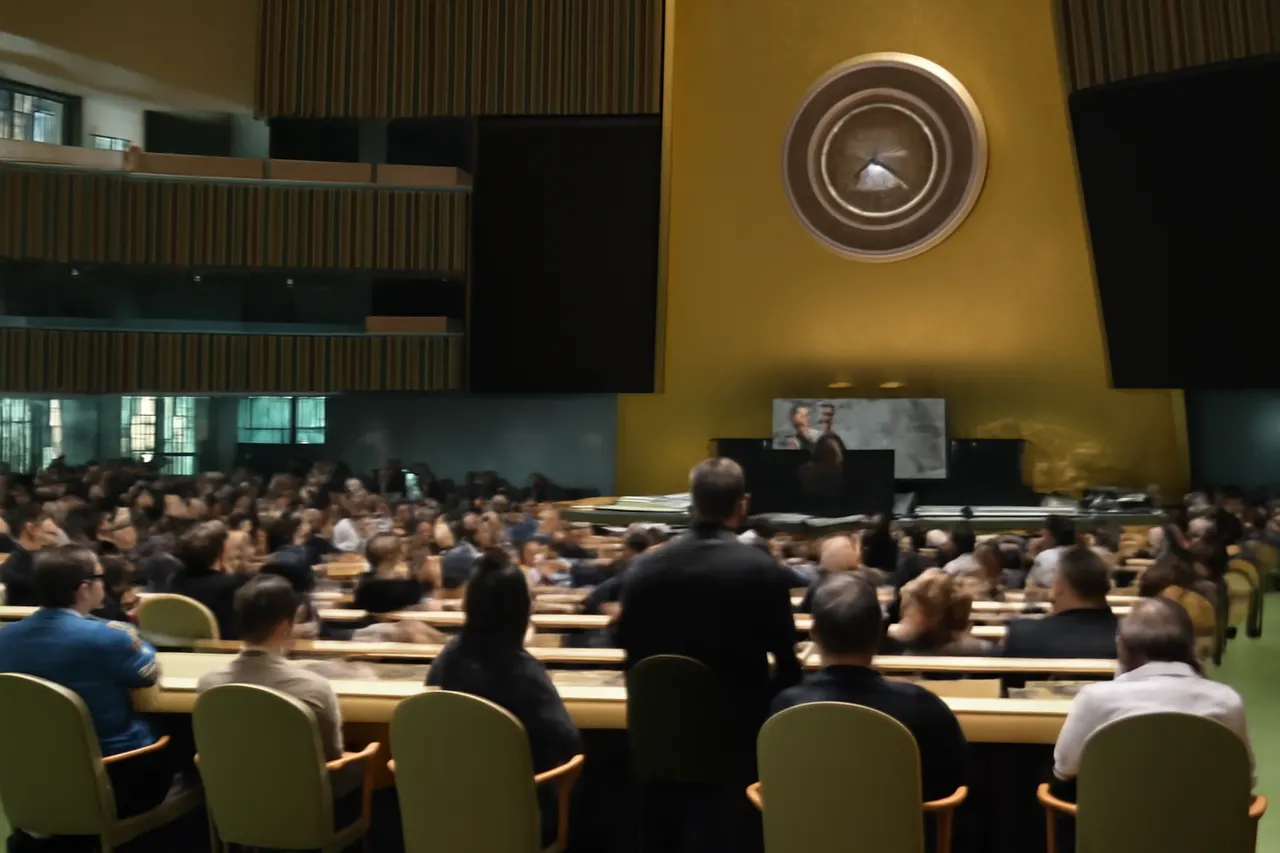
On Monday, July 20th, 2026, the United Nations General Assembly commemorated Nelson Mandela International Day with a focus on poverty and inequality, questioning whether the world is living up to the example set by Nelson Mandela.
In New York City, volunteers at Refettorio Harlem spent sixty-seven minutes serving lunch to people experiencing food insecurity—one minute for each year Mandela dedicated to public service. Diplomats joined city officials and neighborhood volunteers in this act of service, symbolizing a practical response to Mandela’s legacy.
Secretary-General António Guterres, speaking through his Chef de Cabinet Courtenay Rattray, highlighted the misallocation of global resources, warning that “the world is doing the opposite: pouring resources into militaries while poverty and development needs go underfunded.” He stated, “There is something deeply wrong when we spend more on the instruments of destruction and death than on the tools of development and peace.”
South African journalist Redi Tlhabi, the keynote speaker, challenged the softened global image of Mandela by calling him the “Inconvenient Mandela,” a man who remained principled during imprisonment rather than negotiating his freedom. Quoting Mandela’s 1985 statement to his captors, she said, “Only free men can negotiate.” She urged the world to “become uncomfortable with injustice.”
Tlhabi also directly challenged diplomats over the prolonged stalemate on reforming the UN Security Council, including the push for a permanent African seat, stating that “talk without risk changes little” and asking, “What are you prepared to risk for justice?”
This commemoration underscored Mandela’s enduring call to action, urging global leaders and citizens alike to confront poverty and inequality with concrete efforts rather than mere rhetoric.
Loading comments.