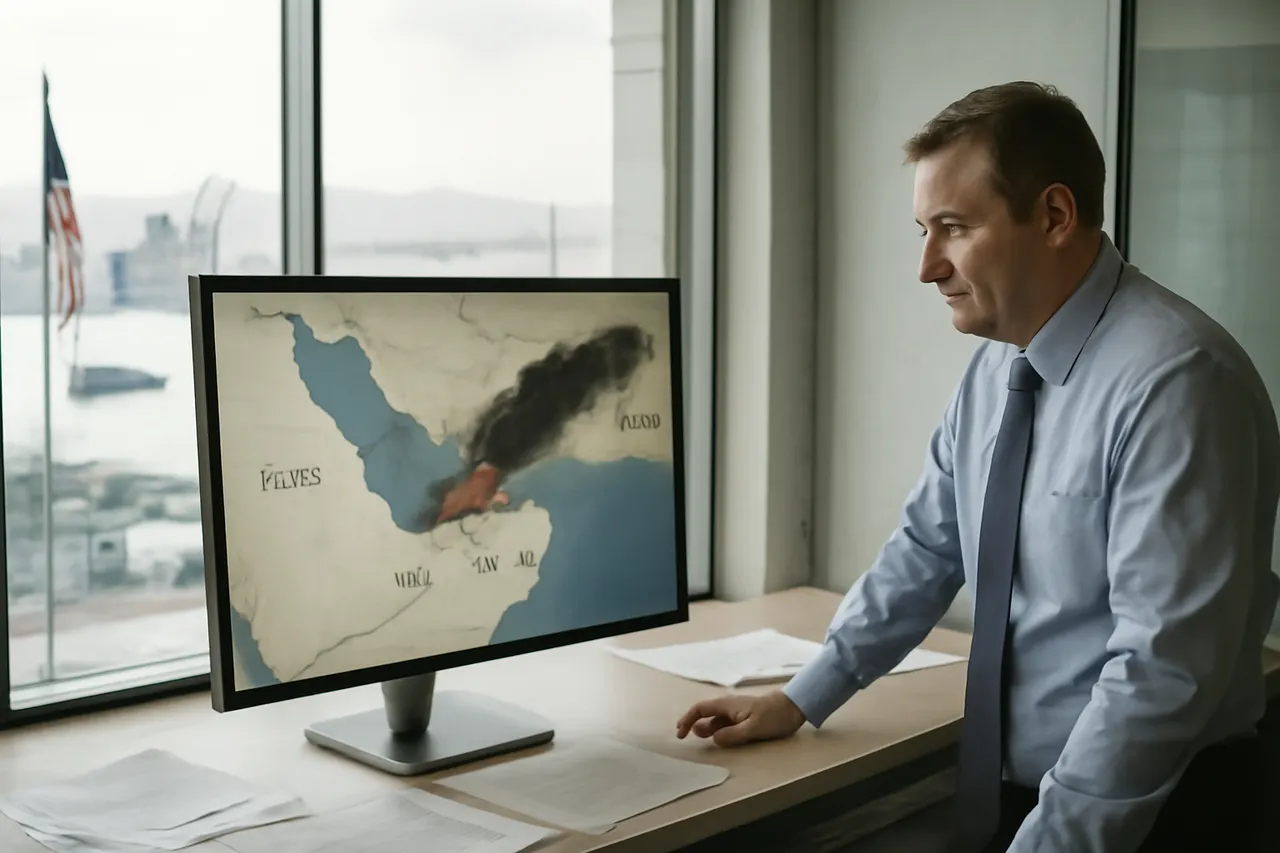
On Tuesday, July 21st, 2026, Iran's Revolutionary Guard (IRGC) announced it struck US military installations in Bahrain and Kuwait, targeting air defence systems, radars, missile defence radars, and satellite receiving systems, according to state media reports. The IRGC warned that these actions signal more powerful drone and missile attacks to come.
The IRGC also reported stopping two "non-compliant oil tankers" attempting to navigate the "unsafe southern route of the Strait of Hormuz" after explosions caused fires on the vessels.
Separately, the United Kingdom Maritime Trade Operations agency (UKMTO) received reports of a tanker off Oman in the Strait of Hormuz being hit by an unknown projectile, forcing the crew to abandon ship and take refuge in a lifeboat.
These incidents occurred as the US military announced it had completed its tenth consecutive night of strikes against Iran. According to CENTCOM, US forces targeted Iranian military command centers, maritime capabilities, missile and drone launch sites, and air defence systems to reduce Iran's capacity to attack commercial vessels transiting the strait. The US remains prepared to hold Iran accountable for aggression toward civilian mariners.
The escalating conflict has impacted global oil markets, with Brent crude rising 3.2% to $90.95 per barrel and US benchmark crude increasing 2.8% to $84.04 per barrel.
A day earlier, US Secretary of State Marco Rubio indicated a willingness to negotiate with Iran, emphasizing that any deal must be "real" and one that Iran is "willing to live by."
Loading comments.