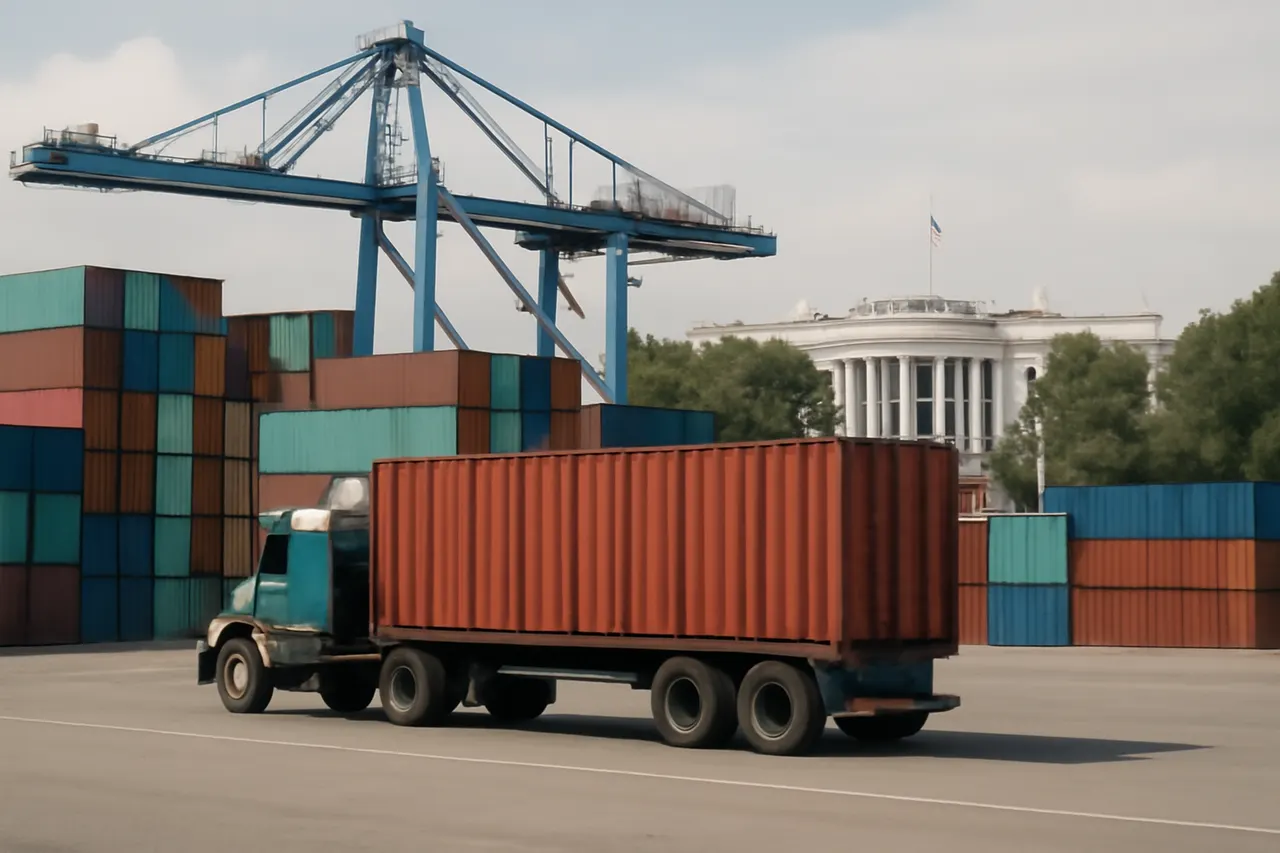
On Tuesday, July 21st, 2026, President Donald Trump announced plans to impose 50% tariffs on a wide range of Canadian imports to the United States, escalating an ongoing trade dispute between the two countries. The tariffs target goods including hockey equipment, electronics, honey, flower bulbs, down feathers, plywood, cowhides, jewelry, as well as Canadian beer, wine, liquor, and milk.
The White House accused Canada of "unreasonable, unequal, and discriminatory actions" by imposing tariffs or import restrictions on certain American goods, some of which began after Mr. Trump's previous trade measures. These new U.S. tariffs are a response to last year's Canadian tariffs on certain U.S. auto imports and Canadian boycotts of U.S. alcohol.
The tariffs are based on Section 338 of the 1930 Smoot-Hawley tariff legislation, a law widely criticized for worsening the Great Depression. However, Philip Zelikow of the Hoover Institution noted that Section 338 was long superseded by legislation enacted in 1962 and 1974 and is therefore considered defunct. This follows a pattern of previous Trump administration tariffs that were invalidated or struck down, including those under the International Emergency Economic Powers Act (IEEPA) by the Supreme Court earlier this year.
The tariffs apply to goods crossing the border under the U.S.-Mexico-Canada Agreement (USMCA), a trade deal negotiated during Mr. Trump's earlier presidency.
Loading comments.