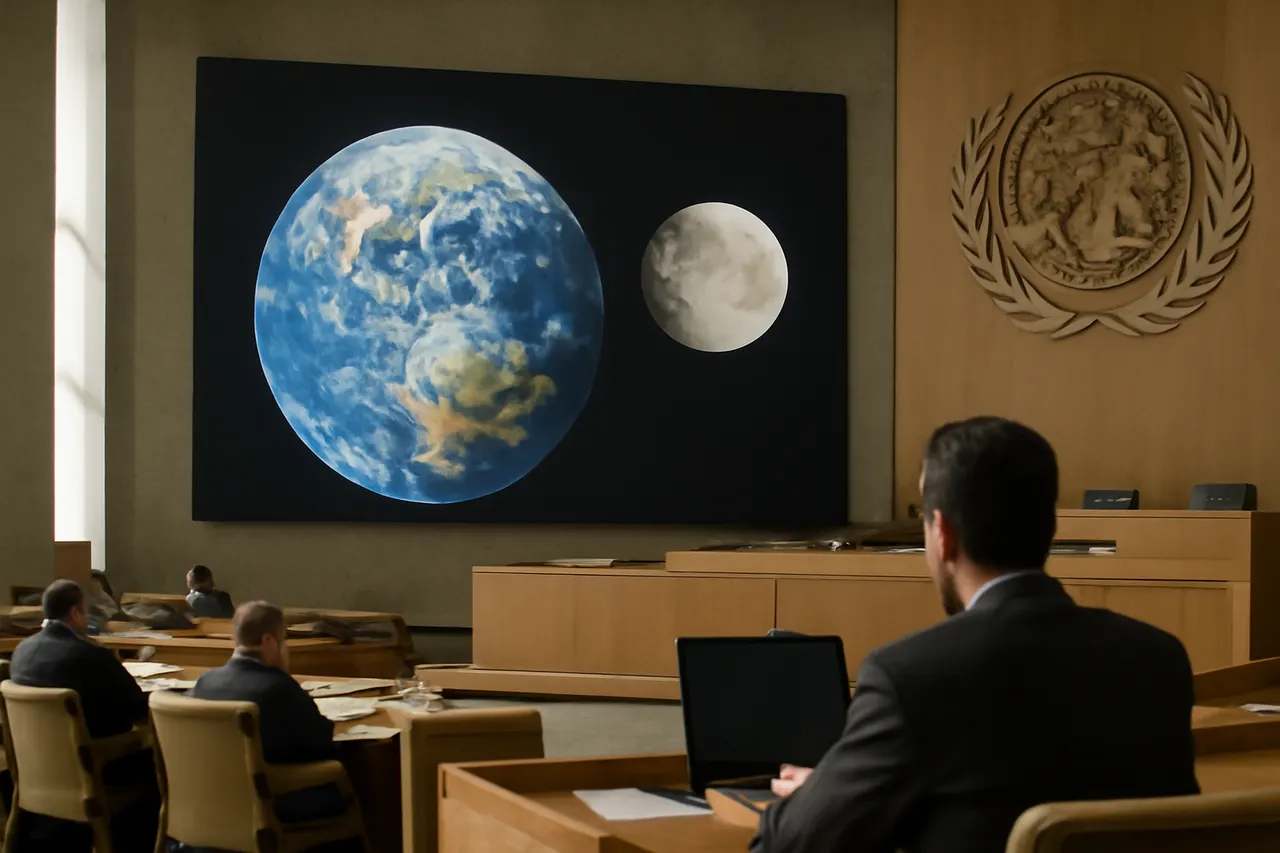
Marking International Moon Day on Monday, 20 July 2026, the United Nations urged governments worldwide to ensure that humanity's return to the Moon does not come at the expense of Earth or the long-term sustainability of outer space.
Jason Jabbour, Senior Officer at the UN Environment Programme (UNEP), emphasized the importance of considering sustainability early in space exploration programs. He stated, “Decades of rapidly expanding space activity have shown that each launch leaves an environmental footprint, and it can take a long time to understand the impact fully. This is why it is so crucial to consider the sustainability of these programmes early on.”
Despite international agreements aimed at preventing contamination of outer space, an estimated 140 million pieces of debris larger than one millimetre currently orbit Earth. Most of this debris is too small to track but remains capable of damaging satellites and spacecraft. Some debris remains in orbit for years before breaking apart or falling back to Earth, with larger heat-resistant components posing risks to people, infrastructure, and marine life upon re-entry.
Earlier in 2026, NASA’s Artemis II mission carried four astronauts on a 10-day journey around the Moon, advancing plans to establish a long-term human presence on the lunar surface during the 2030s. The UN highlighted these developments alongside the environmental challenges accompanying this new era of space exploration.
The UN continues to promote responsible exploration and debris reduction through existing treaties, underscoring that protecting space is essential to safeguarding life and ecosystems on Earth.
Loading comments.