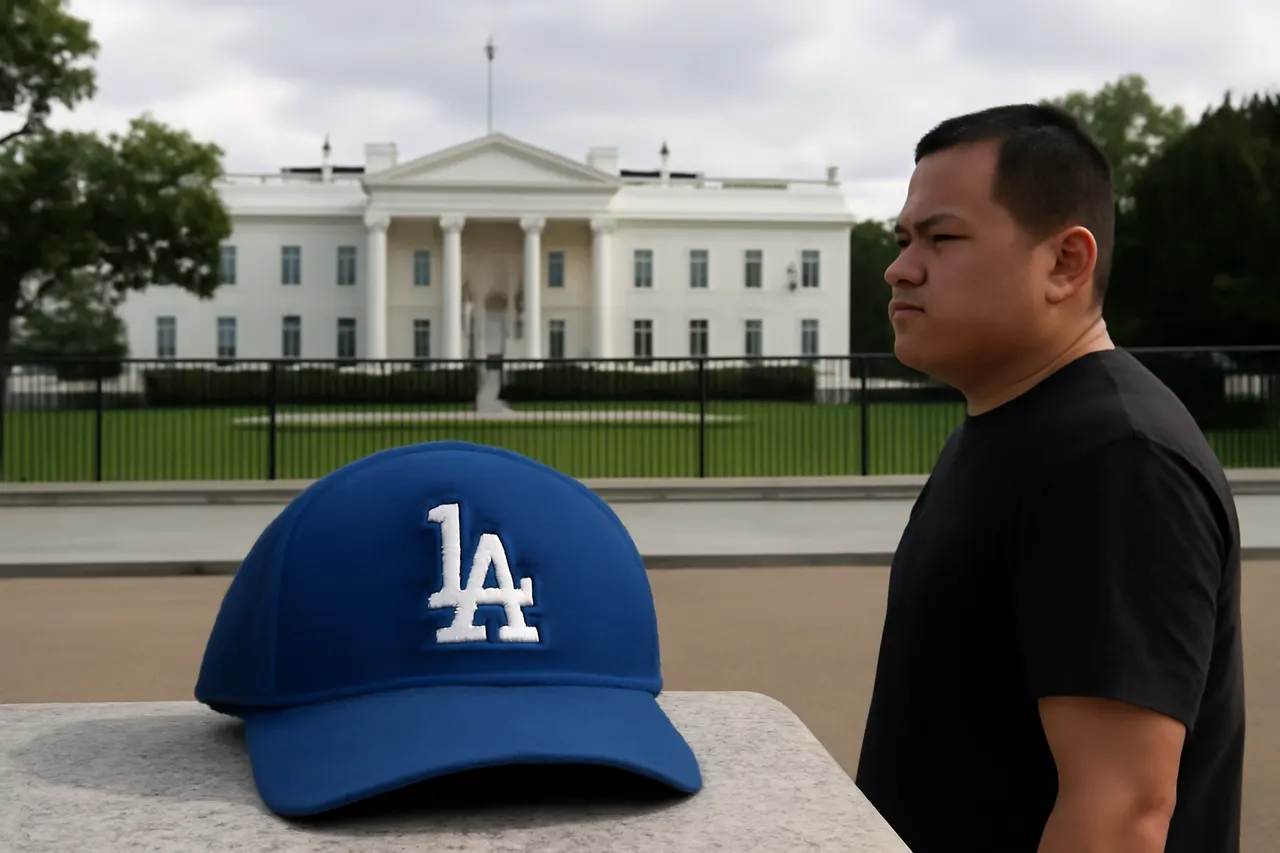
Juan, a lifelong Dodgers fan and son of Guatemalan immigrants, embodies the ambivalence felt by many Latino supporters in Los Angeles as the team heads to the White House on Wednesday, July 22nd, 2026. Despite growing up watching Dodgers games and proudly sporting a Dodgers tattoo, Juan’s allegiance has been shaken after his father, who lived in the U.S. for nearly 30 years, was deported last year amid the Trump administration’s intensified immigration crackdown.
While other local soccer teams issued statements supporting immigrant families during the period of heavy ICE raids and protest responses involving national guard troops and marines, the Dodgers remained silent, deepening the divide for fans like Juan. He recalls the financial burdens his family endured during his father’s detention, including exorbitant fees for basic necessities.
Juan expressed conflicted feelings about the White House invitation, saying, “It was never controversial to go to the White House until Trump came into office. I’m very conflicted.”
Molina, another observer, views the Dodgers’ diverse lineup—including Japanese stars, Latinos, and Americans of various ethnicities—as a positive force for cultural understanding in the U.S., similar to the impact seen during the World Cup. He also noted that visiting the White House has been a longstanding tradition for championship teams and expects a strong turnout, stating, “My personal line, my company line, is I hope we get this invitation every year because that’s the goal, to win a championship.”
Meanwhile, Mookie Betts, a fan favorite who previously skipped a White House visit in 2019 with the Boston Red Sox, said he plans to use the baseball-free day on the road to spend time with his wife and baby, telling the California Post, “I’m not trying to make this a whole big deal. You don’t get many days off.”
The Dodgers’ visit highlights the complex intersection of sports, politics, and community identity amid ongoing national debates over immigration policy.
Loading comments.