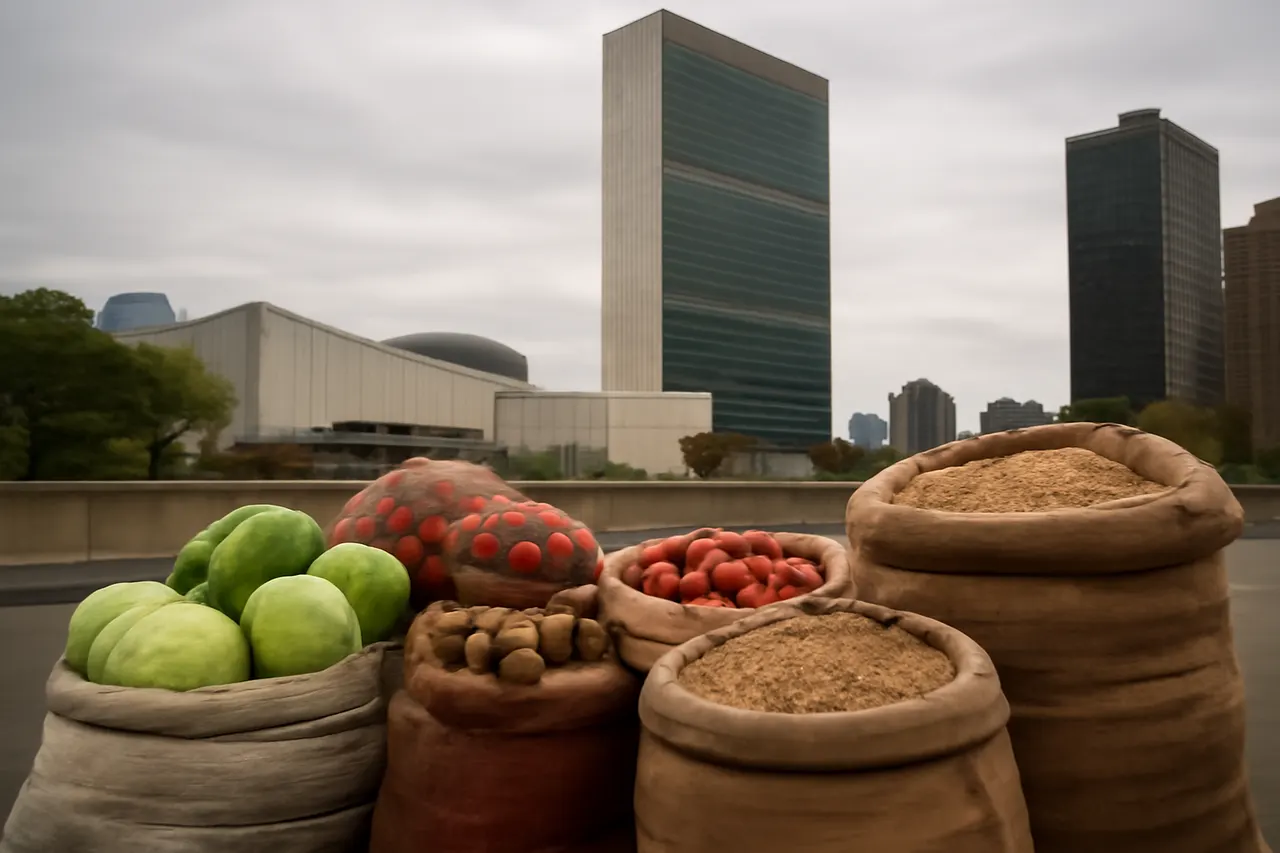
The global hunger rate declined for the third consecutive year in 2025, with an estimated 7.8% of the world's population—about 645 million people—facing hunger, according to the latest edition of The State of Food Security and Nutrition in the World (SOFI) report released on Tuesday, July 21st, 2026, by five United Nations agencies.
This marks a decrease from 8.1% in 2024 and 8.6% in 2022, equating to nearly 14 million fewer hungry people than in 2024 and 43 million fewer compared to 2022. Despite these gains, progress remains fragile and too slow to meet the Sustainable Development Goals (SDGs) target of eradicating hunger and malnutrition by 2030.
The report highlights uneven regional progress. While Asia, Latin America, and the Caribbean have seen steady improvements, Africa now has the largest number of people facing hunger for the first time, with approximately 309 million people affected in 2025, surpassing Asia's 292 million. Furthermore, about 2.1 billion people worldwide—over a quarter of the global population (25.8%)—experienced moderate or severe food insecurity, sometimes compromising food quality or quantity.
Food insecurity rates vary significantly by region: in Africa, 56.6% of the population faced moderate or severe food insecurity in 2025, compared with 20.3% in Asia, 22.9% in Latin America and the Caribbean, and 8.7% in Northern America and Europe.
The report also cautions that ongoing crises impacting food inflation, driven by higher energy and fertilizer prices, could result in 510 to 520 million people still facing hunger by 2030, depending on the duration of these impacts.
“The work that lies ahead over the years to 2030 is immense,” the authors said. “However, a world in which a healthy diet is no longer out of reach for nearly one in three people is a world worth building.”
Loading comments.