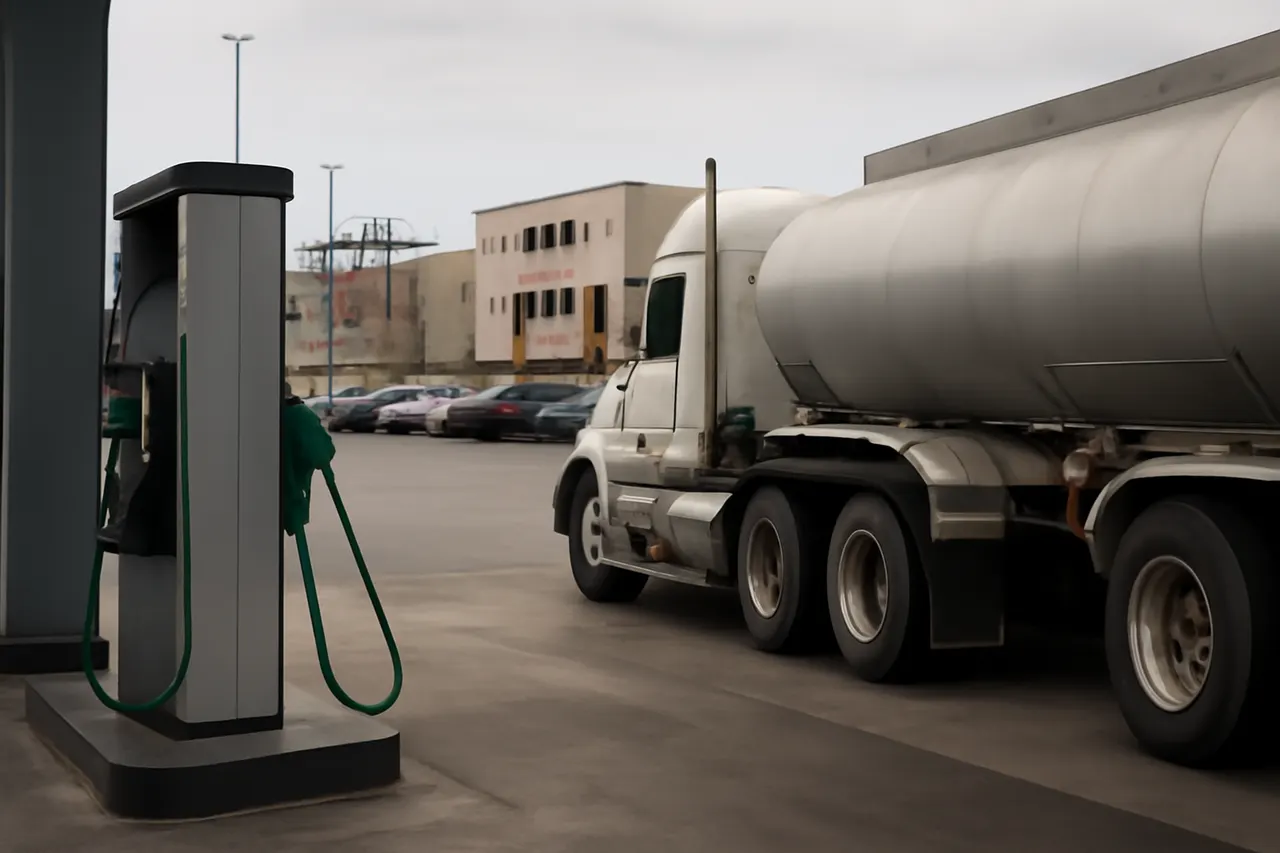
Diesel fuel, a critical but often overlooked component of the U.S. economy, has seen a sharp price increase linked to the ongoing conflict in Iran. Diesel prices rose from an average of $3.56 per gallon in January 2025 to $5.13 per gallon as of July 2026, driven largely by the closure of the Strait of Hormuz amid the Iran conflict.
Unlike gasoline, which primarily affects motorists directly, diesel powers the nation's trucks, farms, and freight network. It fuels irrigation pumps, tractors in the fields, trucks transporting groceries to stores, heavy equipment constructing new homes, and delivery vehicles bringing packages from companies like Amazon to consumers' doorsteps.
Economists warn that rising diesel prices increase transportation costs for businesses, which then pass these costs on to consumers. This inflationary pressure affects a broad range of products, from groceries and consumer goods to construction materials, adding strain to household budgets.
"We all focus on gasoline because ultimately we're consumers and pump prices are very visible. But what we don't think about is the price of diesel, which is the workhorse fuel for the U.S. economy and especially for key sectors," noted experts. A fully loaded semi-truck typically gets just 6 to 7 miles per gallon of diesel, underscoring the fuel's significant role in freight transportation.
The impact of diesel price increases is often slower and more widespread than gasoline price hikes, filtering through supply chains before reaching consumers. Analysts emphasize the importance of monitoring diesel prices during geopolitical events, as they serve as a key indicator of whether turmoil will affect only energy markets or the broader economy.
"From an inflationary perspective, I'm very concerned about the recent rise in diesel prices as it pertains to the cost of food or grocery store prices," one source stated. Additionally, refinery processing times mean that crude oil disruptions do not translate into immediate fuel availability, prolonging the economic effects.
The Iran conflict's influence on diesel markets highlights the interconnectedness of global events and everyday costs for Americans.
Loading comments.