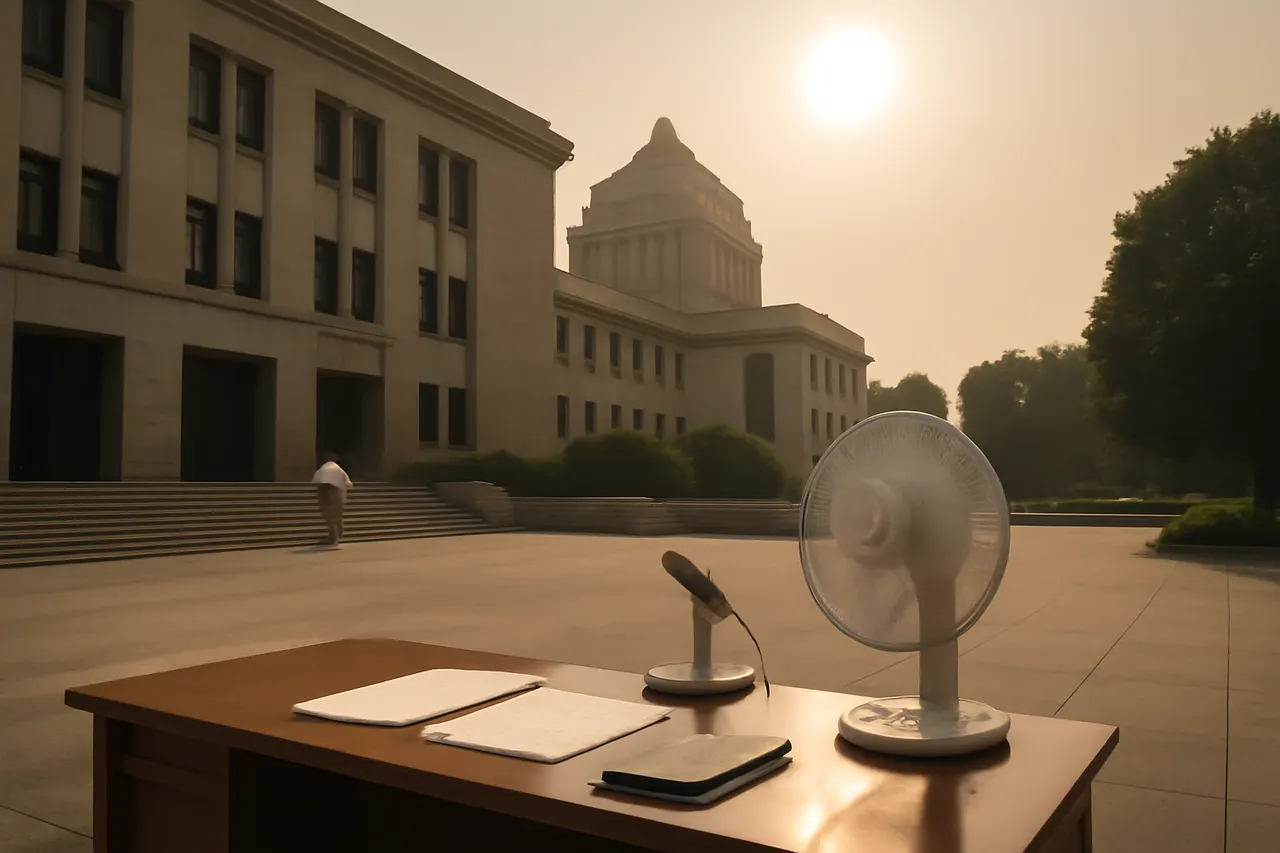
TOKYO — On Wednesday, July 22, 2026, Japan experienced sweltering, life-threatening heat with temperatures expected to exceed 40°C in several cities, including Kumagaya north of Tokyo and Nagoya in central Japan. The government introduced a new weather category called "kokushobi," meaning "brutally hot day," for days when temperatures reach 40°C or higher, reflecting the increasing frequency of such extreme heat.
The Japan Meteorological Agency issued heat stroke alerts for much of the country, forecasting a second consecutive day of "kokushobi." Authorities urged residents to use air conditioning liberally, stay hydrated, and avoid prolonged outdoor activities to mitigate health risks.
Japan has faced increasingly severe summers in recent years, recording its all-time high temperature of 41.8°C last year. Even before this week's intense heat, 4,580 people were hospitalized between July 6 and 12, with seven fatalities reported, according to data from the Fire and Disaster Management Agency. Government figures also show that over 100,000 people were hospitalized for heatstroke during the 2025 summer season.
These developments underscore growing public safety concerns amid rising temperatures across the Asia-Pacific region.
Loading comments.