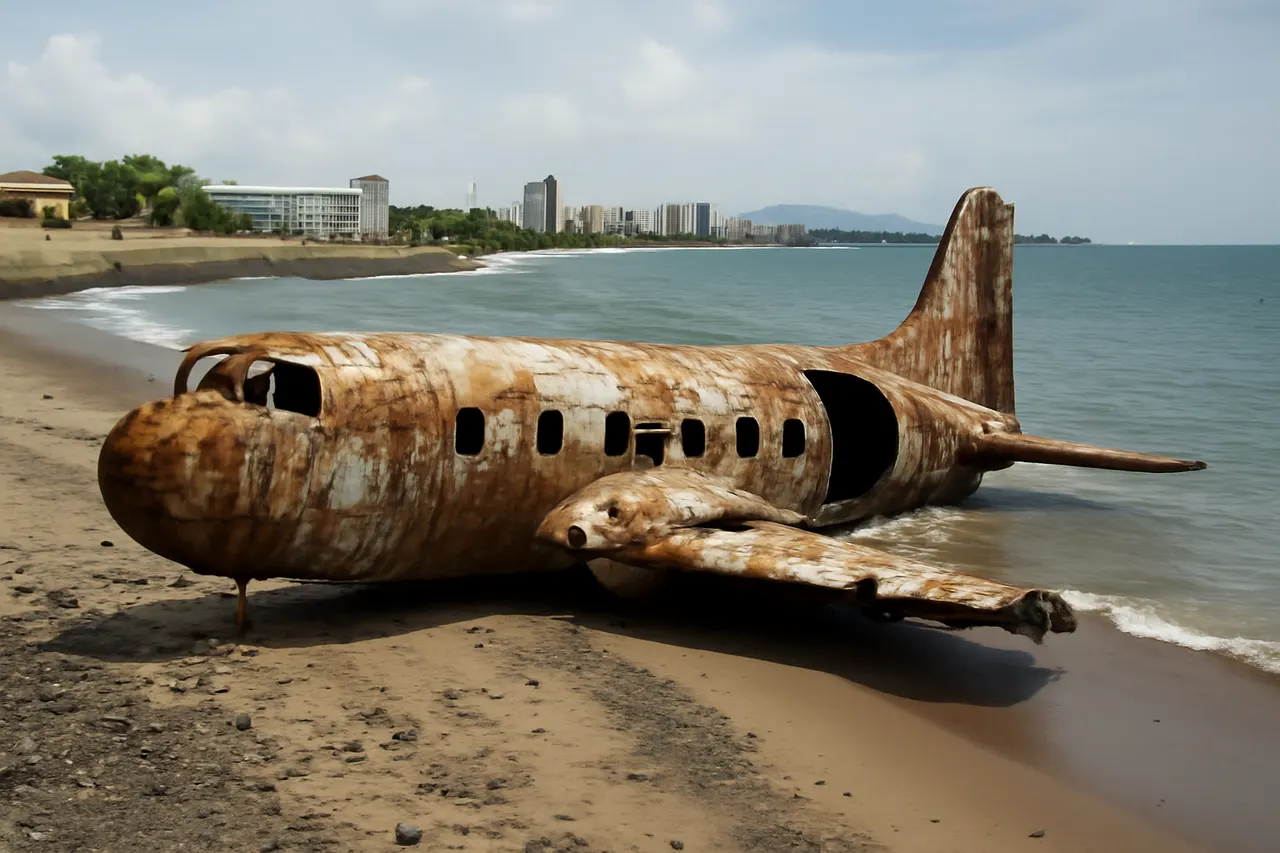
Wreckage from a Pan Am DC-4 flight, known as the Clipper Endeavor, that crashed into the ocean off Puerto Rico in 1952 has been located decades later. The crash killed 52 people and was a pivotal event that contributed to the implementation of mandatory passenger safety briefings on commercial flights.
The aircraft lost engine power shortly after departing San Juan, Puerto Rico, en route to New York City and made a hard landing in the ocean. Although all 17 passengers and crew who survived the landing told investigators that everyone initially survived, many passengers struggled to find life vests, and the crew had difficulty deploying life rafts.
Searchers recently discovered the wreckage nearly 2,000 feet underwater using an autonomous underwater vehicle equipped with high-resolution sonar, which located the fuselage and separated tail. The key to pinpointing the crash site came from records in Puerto Rico, including a hearing on the crash and a map created by Air Force pilots who witnessed the accident during a nearby training flight.
Matthews, leading the search effort with volunteers, expressed plans for a second attempt to locate additional wreckage before the 75th anniversary of the crash using a newer advanced drone originally developed for military applications such as detecting undersea mines. Romeo, whose father was a Pan Am mechanic and pilot, said, "There we were, and everything kind of came together at the moment: good weather, the right team, and the right equipment and ship. So we took a shot at it."
The Civil Aeronautics Board attributed the accident to inadequate maintenance contributing to engine failure and to the captain’s handling of the aircraft after power loss.
This discovery not only honors those affected but also highlights a significant moment in aviation safety history.
Loading comments.