Secretary-General António Guterres has expressed deep concern over the escalating military conflict between the United States and Iran, which has intensified over the past several days. The crisis, now in its second week as of Tuesday, July 21st, 2026, initially centered on control of the Strait of Hormuz, a vital maritime route for oil and liquefied natural gas exports.
The conflict follows the collapse of a prior agreement aimed at ending months of fighting that began after joint US-Israeli bombings of Iran in late February and subsequent Iranian counterstrikes. UN Spokesperson Stéphane Dujarric told journalists in New York that the Secretary-General remains engaged through his Personal Envoy, Jean Arnault, and emphasized the importance of returning to diplomatic dialogue.
Describing the situation as "teetering," Dujarric warned against a return to full-scale conflict and highlighted the mediating role Pakistan has taken, with assistance from other parties. The renewed hostilities have already impacted several countries in the region, including Iran, Bahrain, Jordan, Syria, Iraq, Saudi Arabia, Yemen, Qatar, Kuwait, and the United Arab Emirates.
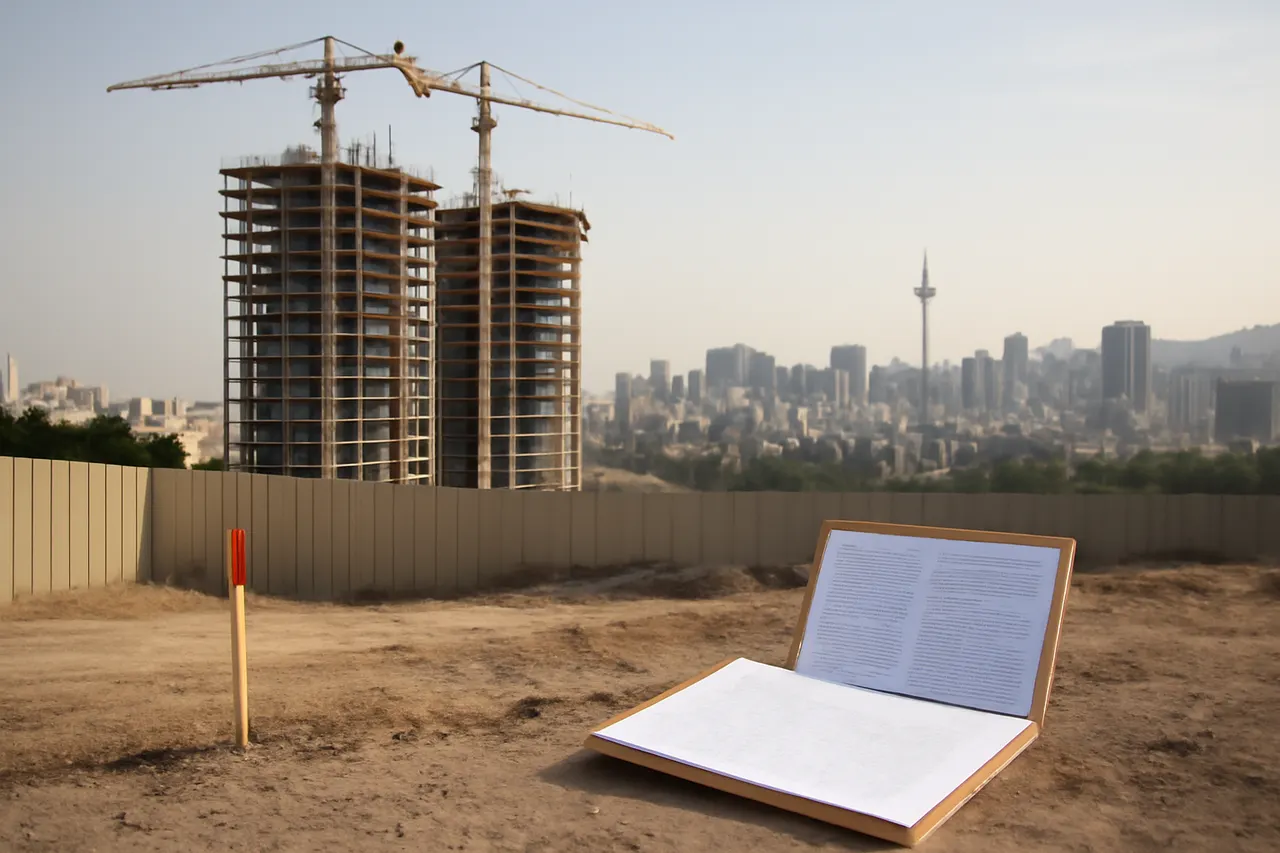
The Secretary-General is particularly concerned about attacks on civilian infrastructure in Iran, such as a nuclear power plant under construction and a desalination plant, as well as similar attacks across the region. "Such attacks are unacceptable and must stop immediately," Dujarric stated.
The United Nations has called for restraint as the war escalates in the Middle East, underscoring the urgent need for dialogue and an end to assaults on vital infrastructure.
Loading comments.