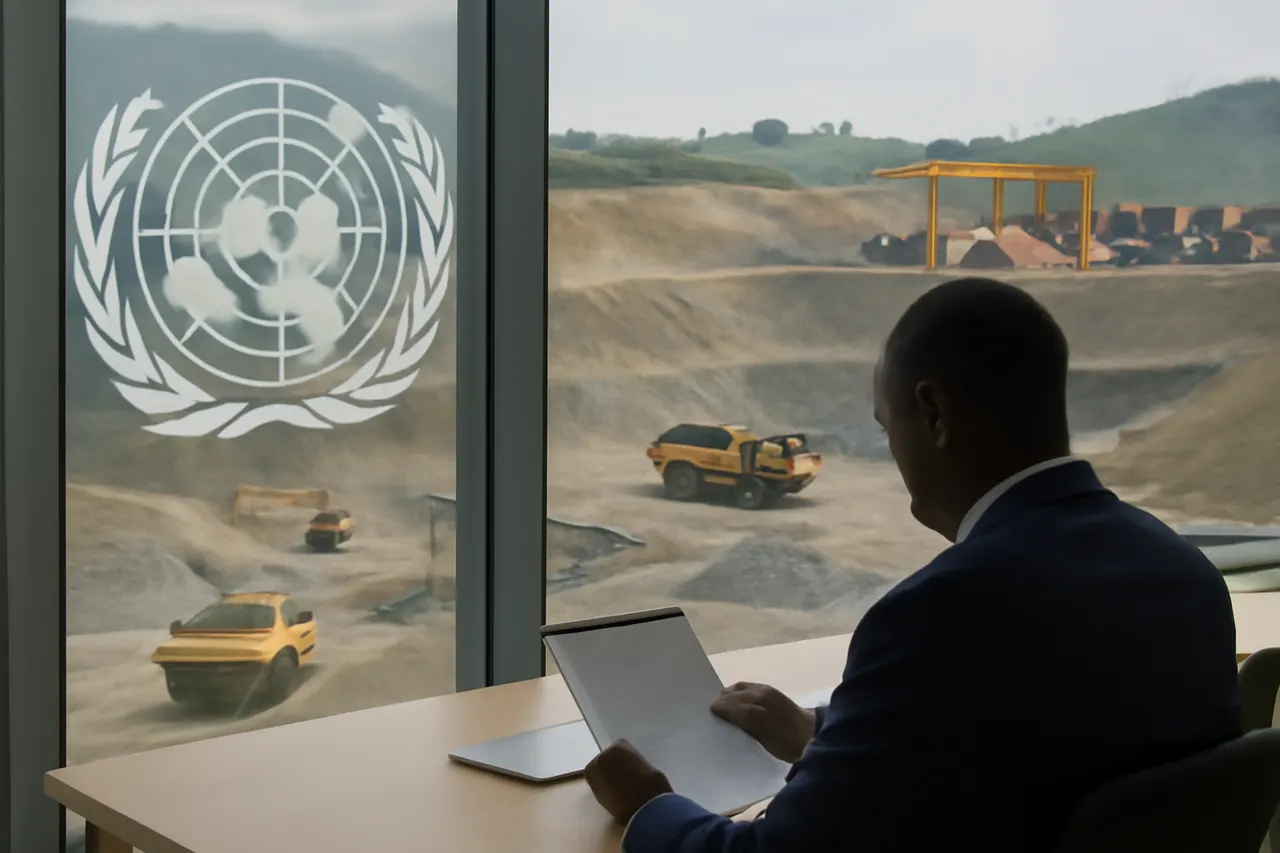
The global transition to clean energy is driving significant demand for critical minerals such as lithium, nickel, cobalt, and copper. On Wednesday, July 22nd, 2026, the United Nations highlighted its role in helping countries leverage these valuable resources to create decent jobs, protect the environment, and benefit local communities beyond global supply chains.
Argentina, home to some of the world's largest lithium reserves, is a key supplier for batteries used in electric vehicles and renewable energy. The UN facilitates dialogue among governments, companies, workers, and Indigenous communities to address environmental protection and economic opportunities collaboratively. It also supports provincial financial planning to retain more lithium benefits locally, alongside skills training and initiatives to increase women's participation in the sector.
The Democratic Republic of the Congo produces approximately 70% of the world's cobalt, essential for rechargeable batteries in electric vehicles and energy storage. The UN is assisting efforts to ensure this mineral wealth contributes to broader economic development. It supports strengthening oversight of critical mineral supply chains by aligning national frameworks with international standards and identifying risks linked to crime, misconduct, and weak accountability.
Additional UN support includes improving mine safety and labor standards, promoting responsible business conduct consistent with the UN Guiding Principles on Business and Human Rights, and exploring recovery of valuable raw materials from electronic waste to reduce the need for new extraction.
Digging minerals out of the ground is considered the most straightforward part of the process, underscoring the importance of sustainable and equitable management of these resources.
Loading comments.