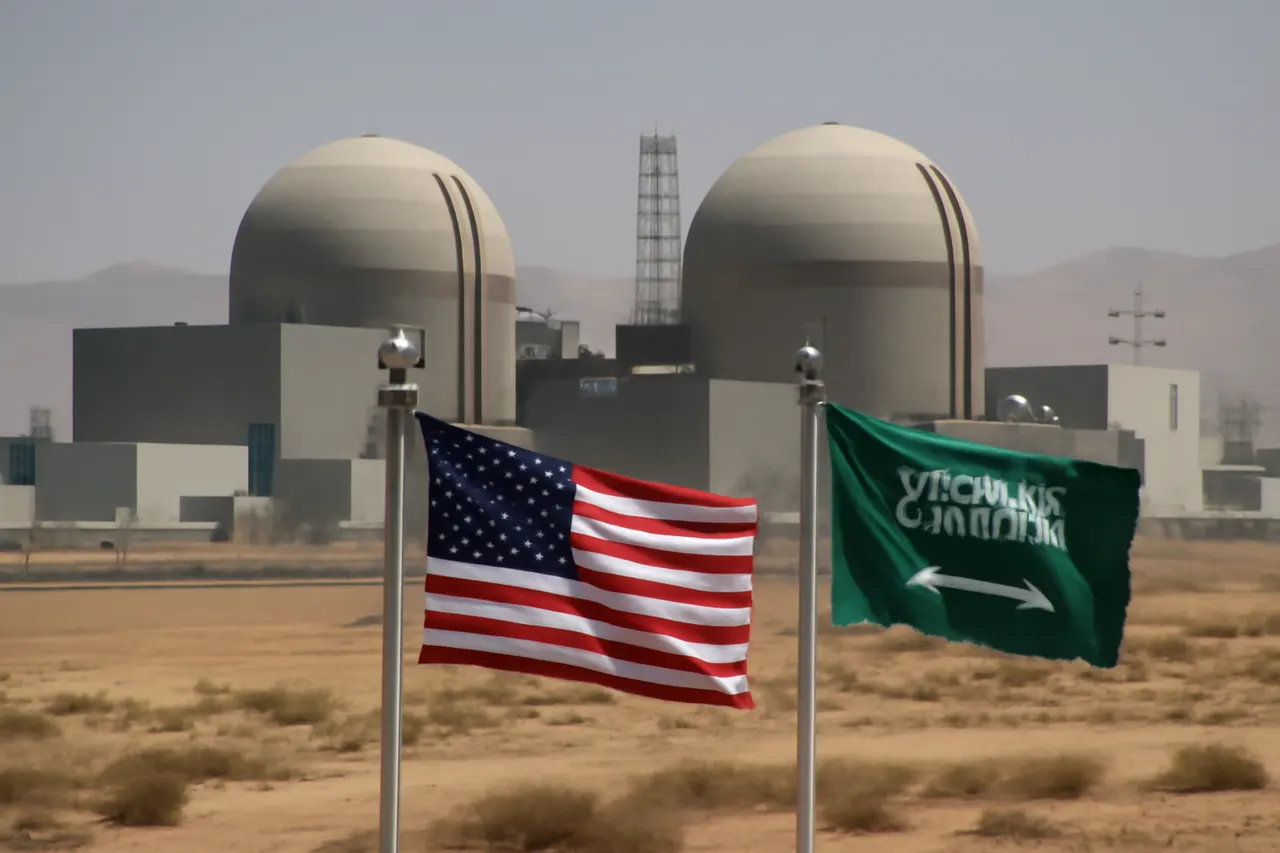
On Wednesday, July 22nd, 2026, the United States and Saudi Arabia signed a landmark nuclear cooperation agreement intended to advance US and regional security by upholding high standards of nuclear safety, security, and nonproliferation. The deal also aims to strengthen the United States' competitive edge in civil nuclear technology.
US Secretary of Energy Chris Wright stated, "Rest assured, these agreements uphold the highest standards of nuclear safety and nonproliferation, while relying on the world's best nuclear technology and scientists, designed right here in the United States." He added that "Thanks to President Trump, the American nuclear renaissance is underway and will deliver long-term benefits to the American and Saudi people."
Specific details of the agreement were not disclosed, but earlier media reports suggest that Saudi Arabia may be allowed to enrich uranium on its soil at a US-built enrichment facility, instead of relying on imported fuel. This provision distinguishes the deal from a 2009 US agreement with the United Arab Emirates, under which the UAE does not produce its own nuclear fuel and accepts various restrictions.
The potential for Saudi Arabia to enrich uranium domestically could be worth billions of dollars to US companies involved in building such facilities. However, this aspect has raised concerns among nuclear experts and former officials in Israel, the US's key ally in the Middle East, who fear it could eventually enable Saudi Arabia to develop nuclear weapons.
The US-Saudi deal has reportedly been approved by former President Trump, according to The Wall Street Journal. Saudi Arabia's de facto ruler, Crown Prince Mohammed bin Salman, told CBS News in 2018 that Saudi Arabia was not planning to acquire nuclear weapons but stated, "without a doubt if Iran developed a nuclear bomb, we will follow suit as soon as possible."
Some US lawmakers from both parties are expected to oppose the deal, despite the Republican Party's control of both congressional chambers.
Sources
- BBC World
- CBS News (2018 interview with Crown Prince Mohammed bin Salman)
- The Wall Street Journal
Loading comments.