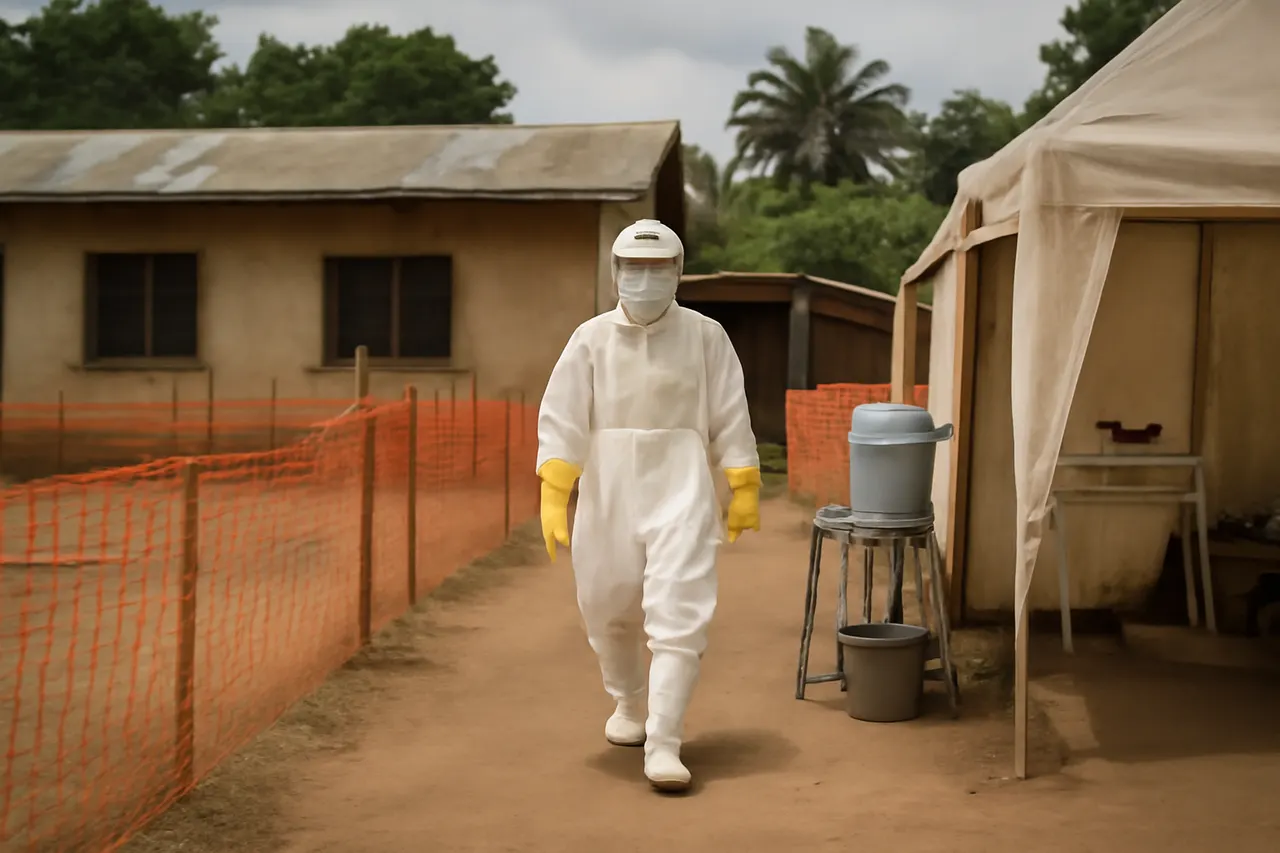
The World Health Organization (WHO) has announced that the death toll from the Ebola outbreak in the Democratic Republic of Congo (DRC) and Uganda has surpassed 1,000 as of July 22, 2026. The outbreak, caused by the Bundibugyo virus, was first declared on May 15 in Ituri Province in the DRC and has since spread to four other eastern regions of the country.
According to reports, the DRC has confirmed 2,473 cases with 999 deaths, while Uganda has registered 20 cases including two deaths. Kinshasa’s health ministry states that at least 737 patients are currently in isolation and hospitals.
Several cases in Uganda have been linked mostly to Congolese citizens who crossed the border. Kampala has reported no new cases for three weeks.
This rare strain of Ebola spreads through close contact and infected bodily fluids and currently has no approved vaccine or specific treatment. By the time WHO declared the outbreak a Public Health Emergency of International Concern in May, the virus had already been spreading undetected for weeks.
The WHO's incident manager for the Bundibugyo virus in DRC, Thierno Balde, said earlier this week that despite increased response efforts, "the outbreak remains ahead of us.” However, the WHO has reported "encouraging progress," with trials underway for two potential treatments, a vaccine, and a post-exposure prophylaxis.
The outbreak has expanded faster than any previous Ebola outbreak in the region.
Loading comments.