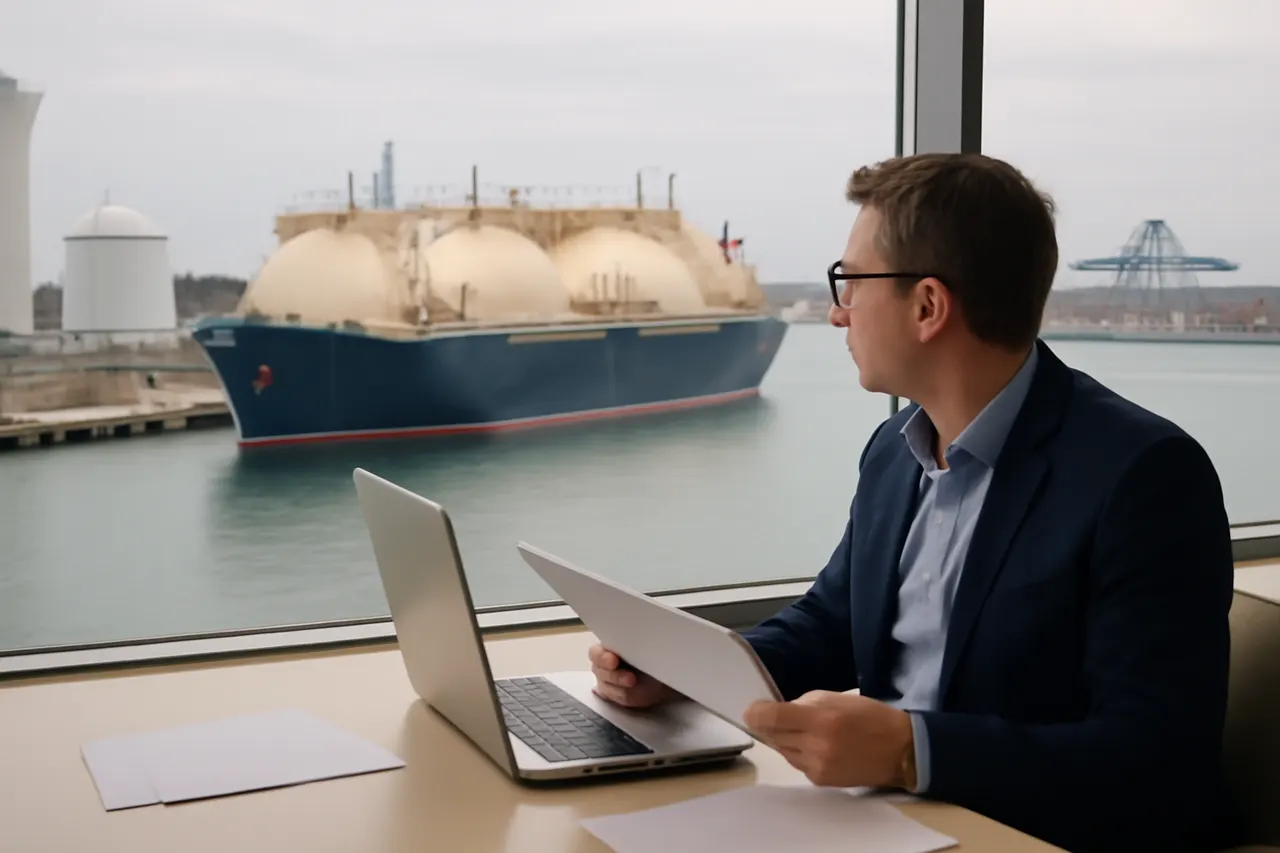
The European Union has diluted its latest sanctions package against Moscow after concerns arose that banning Greek companies from transporting Russian gas to third countries could result in strategically important shipping assets falling under Chinese control.
To overcome a Greek veto blocking the 21st round of measures aimed at weakening Russia’s war capabilities, EU member states agreed to permit EU operators to continue transporting Russian liquefied natural gas (LNG) to third countries for an additional year.
Officials cited China’s significant role in maritime finance and shipping as the reason for this exception, highlighting Beijing’s extensive influence across global economic sectors. A senior EU official explained that many vessels involved were purchased through long-term loans from Chinese investors, who also hold shares in the companies operating them. If these companies fail to repay their loans due to lost revenue from sanctions, control of the assets could revert to the Chinese investors, posing a “very serious” and “very big risk.”
Simultaneously, the EU included 14 mainland Chinese and Hong Kong entities in the sanctions list for allegedly violating bans on dual-use goods originating in Europe or assisting Moscow’s war effort. The EU continues to pressure Beijing to leverage its influence over Russian President Vladimir Putin to end the conflict.
Sources:
Loading comments.