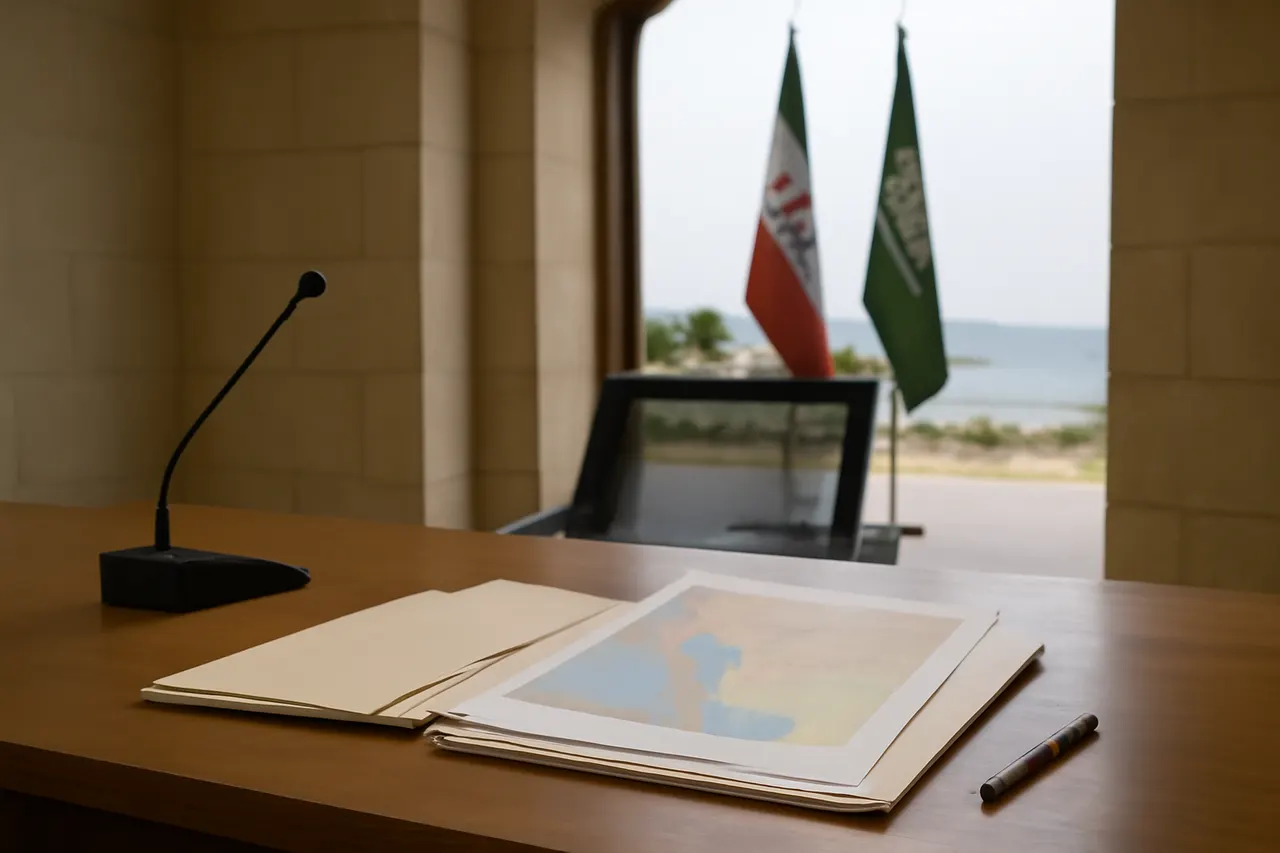
On Thursday, July 23, 2026, the Iranian-aligned Houthis announced they attacked two Saudi oil tankers, the Encelia and the Layla, in the Red Sea as part of a naval blockade on Saudi Arabia. This move threatens to create a second chokepoint for global oil supplies alongside Iran's near-closure of the Strait of Hormuz. The Yemen-based militants, controlling areas near the Bab el-Mandeb Strait at the opposite end of the Arabian Peninsula from the Strait of Hormuz, declared the blockade earlier that week, a tactic some analysts interpret as Iran seeking leverage.
Meanwhile, the United States military reported launching a new round of strikes on Iran on Wednesday, July 22, under President Donald Trump's direction, marking the 12th consecutive night of American attacks. President Trump acknowledged the difficulty of these actions, stating, "For me it's one of the hardest things to do as a president. But it has to be done."
Iran's joint military command warned that if US threats against Iranian infrastructure proceed, Iranian forces would retaliate by targeting regional oil, gas, electricity, and economic infrastructure, potentially halting the export of "even a single drop of oil," according to Iranian state media.
The conflict has already caused significant civilian casualties. An Iranian health ministry official reported that since late last month, 53 civilians have been killed and 592 wounded. Additionally, State TV cited a Khuzestan provincial official describing a US missile attack on the Shalamcheh border crossing with Iraq that killed two people and wounded 11.
The US military maintains it does not target civilians, noting such actions would violate the 1949 Geneva Conventions on humanitarian conduct in war.
The ongoing tensions have contributed to global inflation and rising oil prices, impacting US gasoline consumers and putting pressure on President Trump's Republican allies ahead of the November congressional elections.
Loading comments.