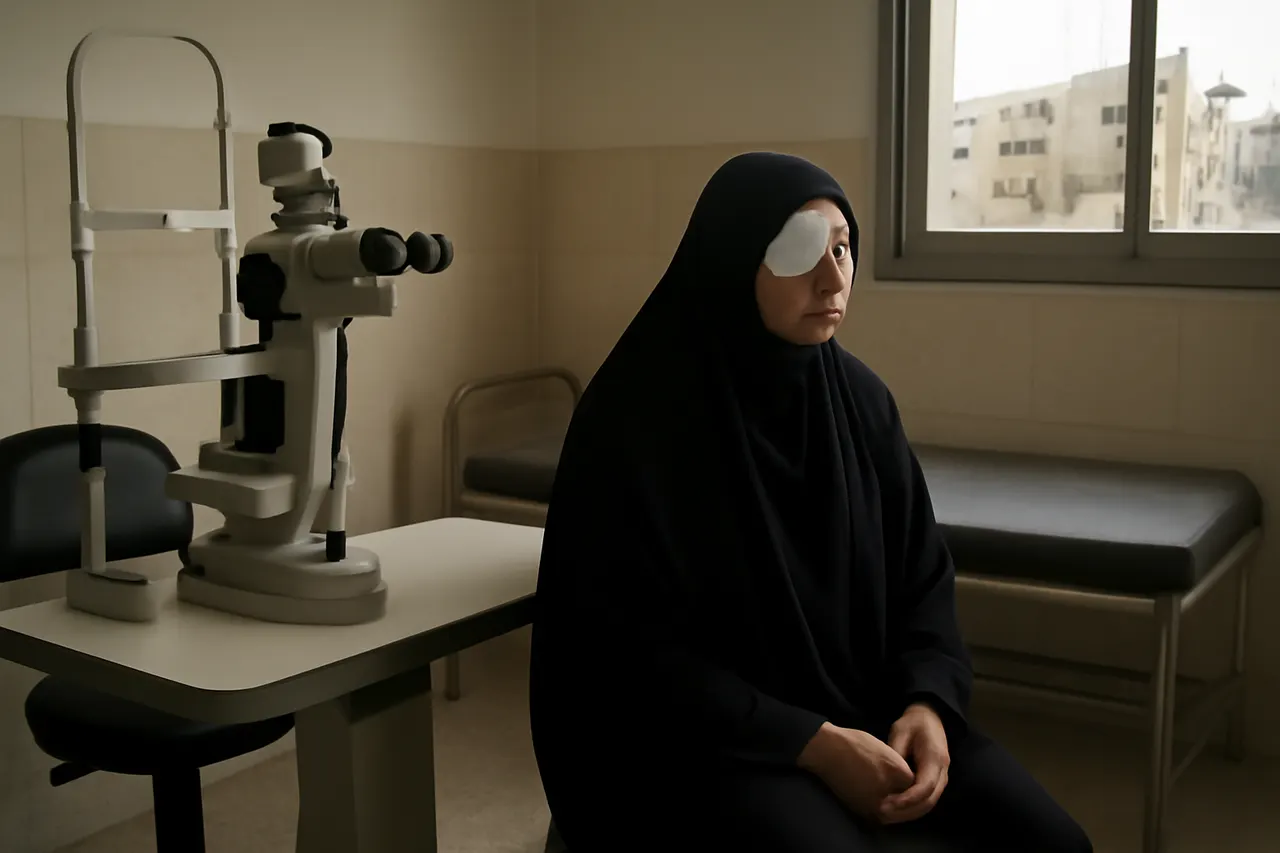
Najwa Abu Atiwi, a 42-year-old woman from Gaza’s Nuseirat camp, has been on a difficult path to recovery since an Israeli air strike hit her home on October 11, 2024. After weeks in a coma, Najwa’s first concern upon waking was to see her own face, unaware of the extent to which her appearance had changed due to the injuries she sustained.
Her recovery has been complicated by the loss of her daughter in the same attack and the dramatic alteration of her facial features, including the loss of an eye. Those close to her have delayed showing her the full extent of her injuries, fearing the emotional shock.
Najwa remains unable to access some specialised medical treatments within Gaza, as doctors have informed her that necessary procedures are unavailable locally. She is still waiting for permission to travel for further care. This lack of access is attributed to years of Israeli blockade and the destruction caused by ongoing conflict, which has resulted in over 73,000 deaths in Gaza.
During the conflict, medical professionals like Saidam have treated numerous severe injuries caused by shrapnel and explosions, including orbital fractures, eyelid tears, and complex facial injuries requiring reconstructive surgery. The World Health Organization reports that about a quarter of injuries recorded in Gaza are life-changing.
Dr Hassan Abu Shawish, a psychologist at the Deir el-Balah Mental Health Clinic who has treated Najwa, describes her case as particularly challenging due to the combination of physical trauma, the loss of her daughter, and the psychological impact of her changed appearance.
Separately, recent violence in Gaza has resulted in five Palestinians killed in a fire following an Israeli attack. Additionally, concerns persist over Israel’s use of the so-called "Yellow Line" to annex parts of Gaza.
Najwa’s story highlights the profound human cost of the conflict and the ongoing challenges faced by Palestinians in Gaza.
Loading comments.