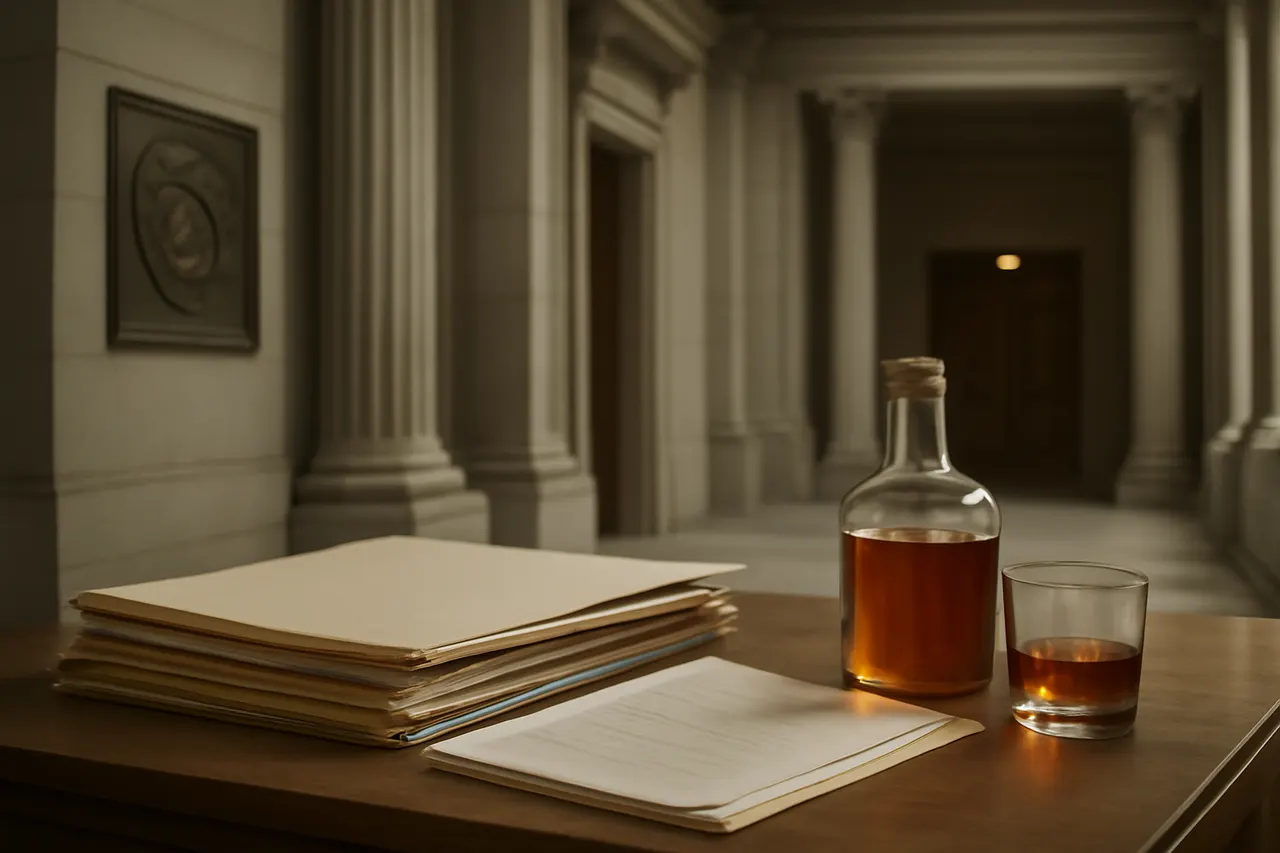
Lawyers for Ohio craft brewery owner John Ream have petitioned the U.S. Supreme Court to hear a case challenging the federal ban on home distilling of hard liquor for personal use. Ream is currently barred by federal law from distilling alcohol at home, and his legal team argues this prohibition exceeds Congress's constitutional authority under the Commerce Clause.
The federal government maintains that the ban is a valid exercise of its power "to regulate Commerce…among the several States," citing the 2005 Supreme Court decision in Gonzales v. Raich. In Raich, the Court upheld the federal ban on marijuana even when used legally under California state law and cultivated entirely within that state.
Justice Clarence Thomas dissented in Raich, warning that if Congress can regulate such local conduct under the Commerce Clause, "then it can regulate anything—and the Federal Government is no longer one of limited and enumerated powers."
Ream's legal brief urges the Supreme Court to either overrule Raich or clarify that Congress's commerce power does not extend to regulating local, noncommercial conduct without meaningful judicial scrutiny. The case raises fundamental questions about the limits of federal power and the requirement for Congress to identify an enumerated power before criminalizing private conduct at home.
The legal debate traces back to earlier cases, notably the 1942 Wickard v. Filburn decision, where the Court found that even wheat grown for personal use could be regulated because of its substantial economic effect on interstate commerce.
The Supreme Court's decision to hear this case could have significant implications for federal regulatory authority under the Commerce Clause.
Sources
- Damon Root, Reason, From Weed to Whiskey: Is This the Supreme Court's Next Big Commerce Clause Case?
Loading comments.