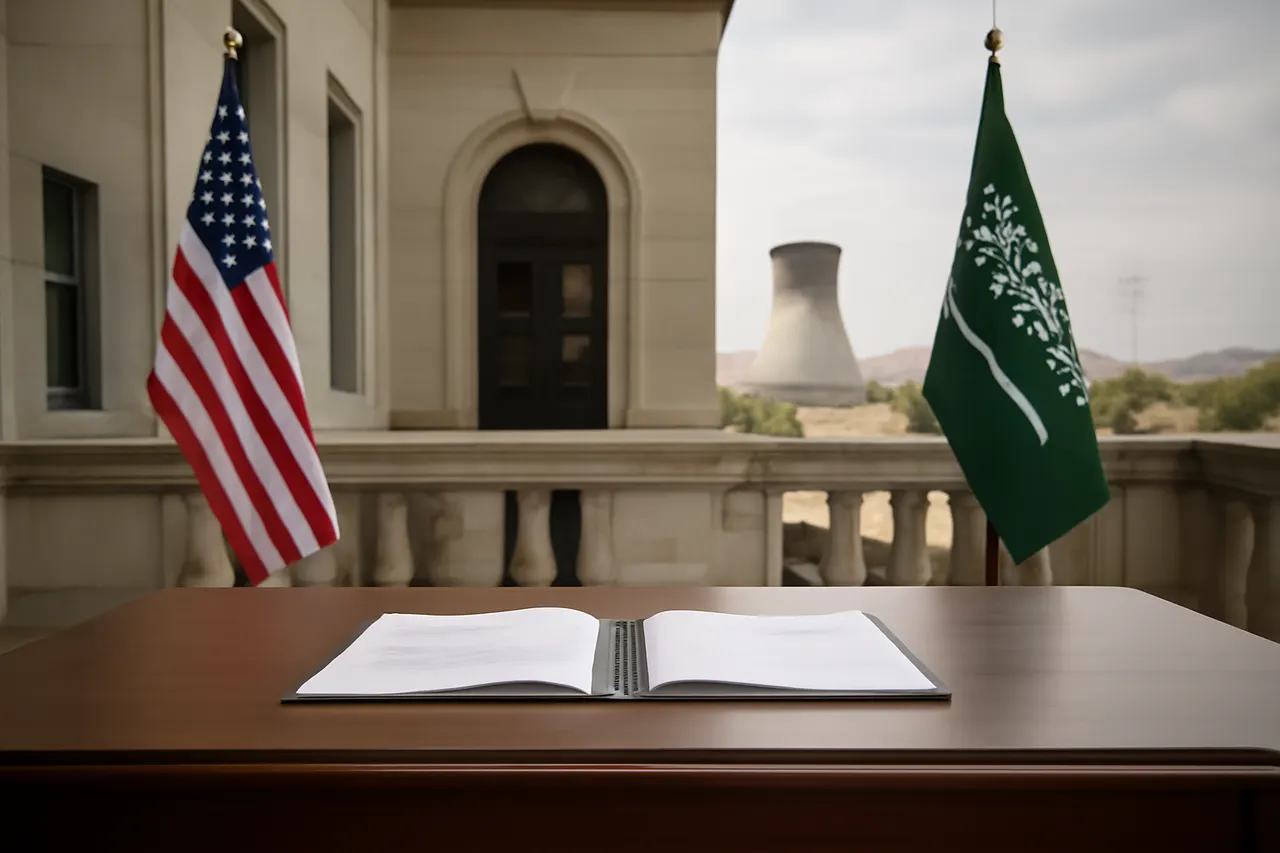
On Wednesday, July 23, 2026, the United States and Saudi Arabia finalized a 30-year nuclear cooperation agreement aimed at helping the Gulf kingdom develop a civilian nuclear program. The deal was signed by US Energy Secretary Chris Wright and Saudi Energy Minister Abdulaziz bin Salman. This "123 agreement" permits US companies to transfer nuclear technology abroad under Section 123 of the US Atomic Energy Act.
The agreement marks a significant step in Saudi Arabia's ambition to join the region's nuclear club for civilian purposes.
This development occurs amid ongoing nuclear-related tensions in the Middle East. In 2015, during President Barack Obama's administration, Iran signed the Joint Comprehensive Plan of Action (JCPOA), agreeing to limit uranium enrichment to just over 3 percent, sufficient for electricity generation but below weapons-grade levels. However, the US withdrew from the JCPOA in 2018 under President Donald Trump, reinstating sanctions over concerns that the deal was ambiguous and posed a threat to Israel.
In June 2025, the US and Israel launched the 12-Day War following an International Atomic Energy Agency (IAEA) report indicating Iran had amassed over 400 kilograms of uranium enriched to 60 percent, nearing the 90 percent enrichment level required for nuclear weapons.
According to the Nuclear Threat Initiative (NTI), Israel has possessed nuclear weapons since the 1960s and currently holds approximately 90 nuclear warheads.
Loading comments.