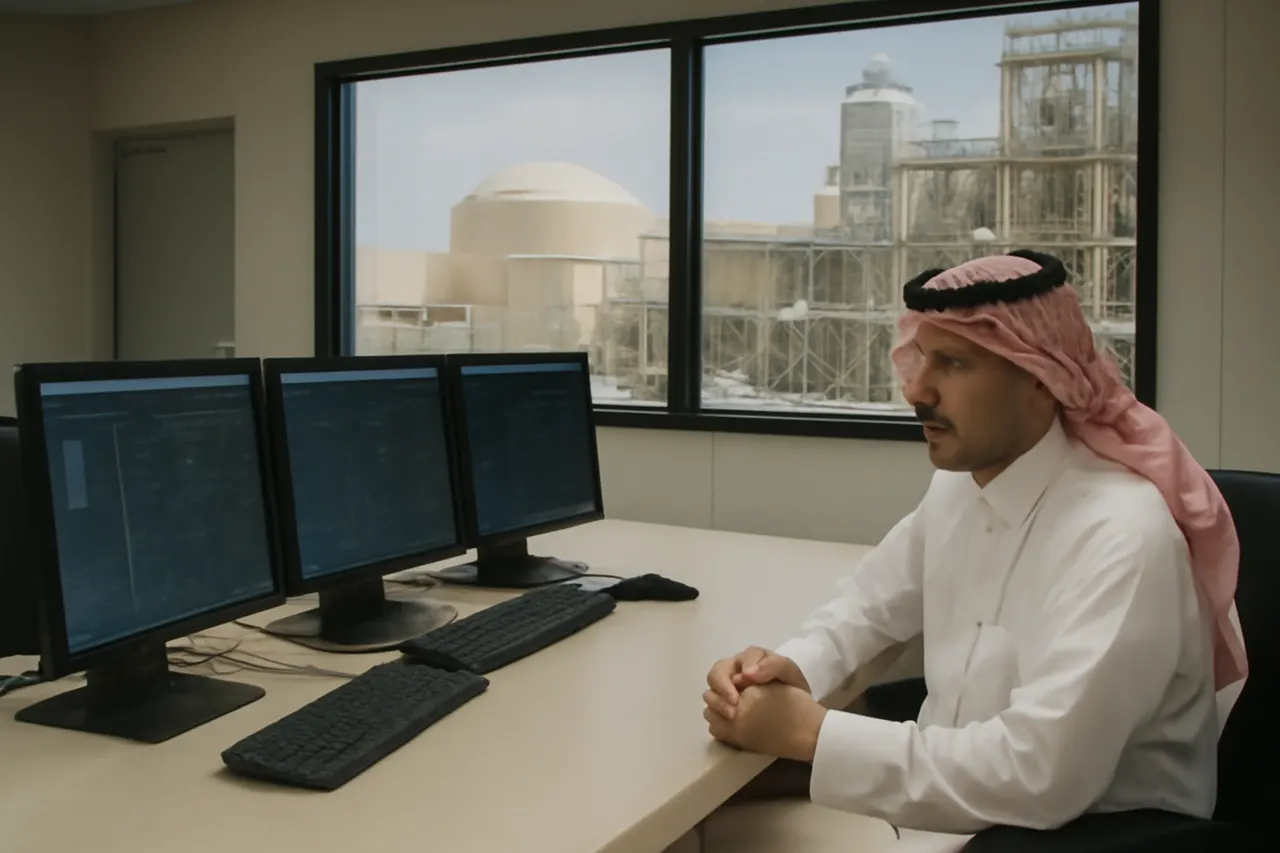
The United States has signed a landmark nuclear deal with Saudi Arabia that could permit the kingdom to enrich uranium domestically in the future. The agreement, signed by US Department of Energy Secretary Chris Wright and Saudi counterpart Prince Abdulaziz bin Salman, includes a peaceful nuclear cooperation agreement and a bilateral safeguards agreement.
The deal will be submitted to the US Congress for review, where it may face opposition from lawmakers concerned about insufficient monitoring safeguards. The US has engaged in lengthy negotiations over multiple administrations, fearing that if Riyadh did not receive nuclear technology support from the US, it might turn to China or Russia, which have different standards on nuclear proliferation.
Saudi Arabia has previously stated that it would seek a nuclear weapon if Iran were to acquire one. This deal is controversial because it coincides with the US's ongoing conflict with Iran, partly aimed at preventing Tehran from enriching uranium domestically and developing nuclear weapons.
Meanwhile, the US military has conducted its 12th consecutive night of strikes, expanding operations into western and central Iran. These attacks targeted military assets including maritime capabilities, missile and drone storage, coastal surveillance, and air defense systems.
Additionally, Yemen’s Iran-aligned Houthi militia attacked two Saudi Arabian oil tankers, with one vessel confirmed ablaze in the Red Sea by a Saudi news agency.
In related news, a senior Democrat on the US Senate banking committee expressed confusion over Barclays' failure to uncover a decades-long relationship involving Staley during an Epstein investigation, highlighting ongoing scrutiny in US political and financial circles.
Loading comments.