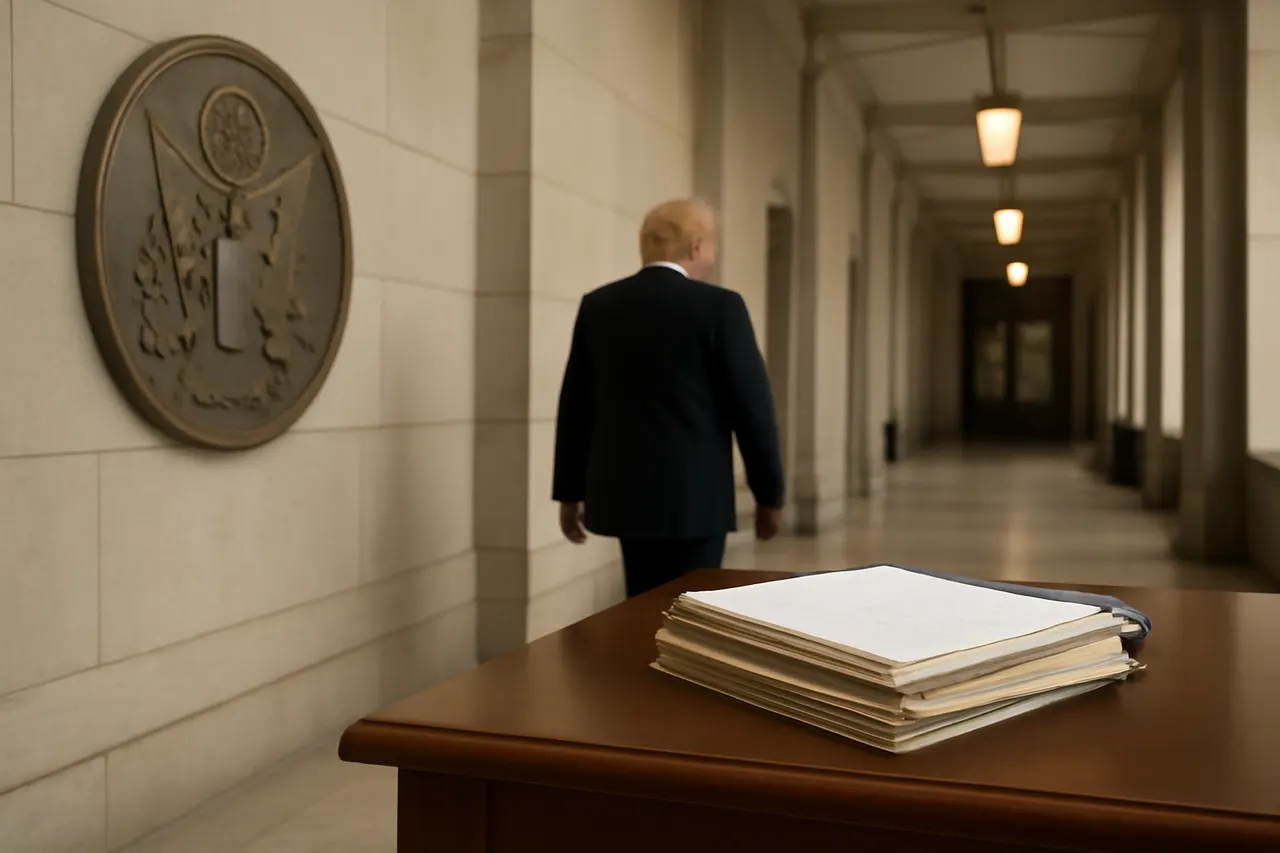
District Judge James Boasberg has delivered a significant setback to the Trump administration by temporarily halting efforts to deny visas to foreign officials and nationals accused of suppressing American free speech. The ruling, issued earlier this month, blocks the State Department from restricting visas based on claims that individuals worked to perpetuate censorship against Americans.
Boasberg acknowledged the federal government's "legitimate interest in responding when foreign officials use sovereign power to suppress protected expression in the United States," but expressed concern that the policy may constitute viewpoint discrimination, potentially violating the First Amendment.
"The policy, at its core, does not burden all speech about platforms, all research into content moderation, or all advocacy about online harms," Boasberg wrote. "It presses its enforcement thumb against one side of the scale: the view that platforms should do more to moderate content, label disinformation, restrict abuse, share data with researchers, or take responsibility for the harms their systems amplify."
The judge further noted that the government has not opposed all speech about platform governance but specifically targets those advocating for increased moderation.
In a related immigration matter, a federal judge in Boston ruled against the Trump administration's $100,000 fee for H-1B visas, deeming it an unauthorized tax. This fee was a significant increase from the typical $2,000-$5,000 charge and was intended to prioritize U.S. citizens in the workforce.
Requests for comment from the State Department and the Center for Immigration and Trade Regulation (CITR) were not returned as of Thursday.
Sources
- Fox News Digital, "Boasberg delivers fresh immigration setback to Trump in free-speech clash," July 24, 2026
Notable Quotes
- "legitimate interest in responding when foreign officials use sovereign power to suppress protected expression in the United States,"
- "The policy, at its core, does not burden all speech about platforms, all research into content moderation, or all advocacy about online harms,"
- "It presses its enforcement thumb against one side of the scale: the view that platforms should do more to moderate content, label disinformation, restrict abuse, share data with researchers, or take responsibility for the harms their systems amplify.",
- "The Government, in other words, has not set itself against everyone who speaks about platform governance. It has set itself against those whose work favors more moderation rather than less,"
Loading comments.