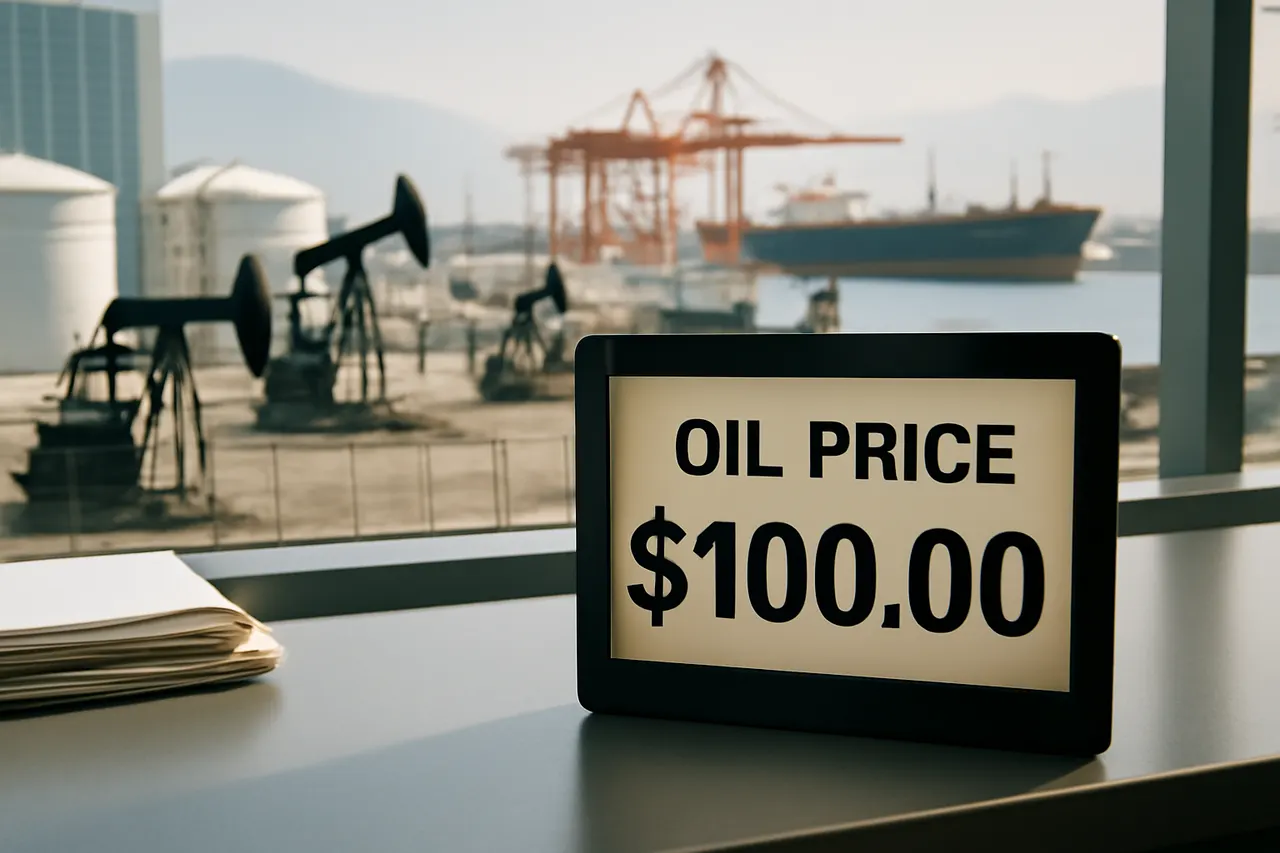
Oil prices hit $100 a barrel on Thursday, July 23rd, 2026, marking the first time since May that prices have reached this level. The surge in Brent crude—the global benchmark for oil—came amid escalating conflict in the Middle East, particularly as the US increased military strikes against Iran.
The price increase followed attacks by Houthi militia in Yemen on oil tankers in the Red Sea, threatening a critical export route used by Saudi Arabia to bypass the Strait of Hormuz. This disruption has reignited fears over global energy supplies.
Gas prices have also climbed steadily over the past month. In the UK, the benchmark gas price rose to around 150 pence per therm from approximately 98 pence at the end of June. Diesel prices average £1.72 per litre, according to the RAC. In the US, average gasoline prices surpassed $4 a gallon, up from $3.92 a month earlier, as reported by the motorist advocacy group AAA.
Oil prices had previously fallen following a temporary ceasefire between the US and Iran, dropping back to levels last seen before the US and Israel began military action against Iran on February 28th. However, the ceasefire has since failed. US Secretary of State Marco Rubio stated this week that the Iranian leadership is "not ready to make a deal."
Jonathan Raymond, investment manager at Quilter Cheviot, warned that "more expensive fuel and energy can ripple through the wider economy, increasing costs for businesses and ultimately feeding through into the price of food and other goods." He added that this situation "creates another headache for central banks as they continue their battle against inflation."
Loading comments.