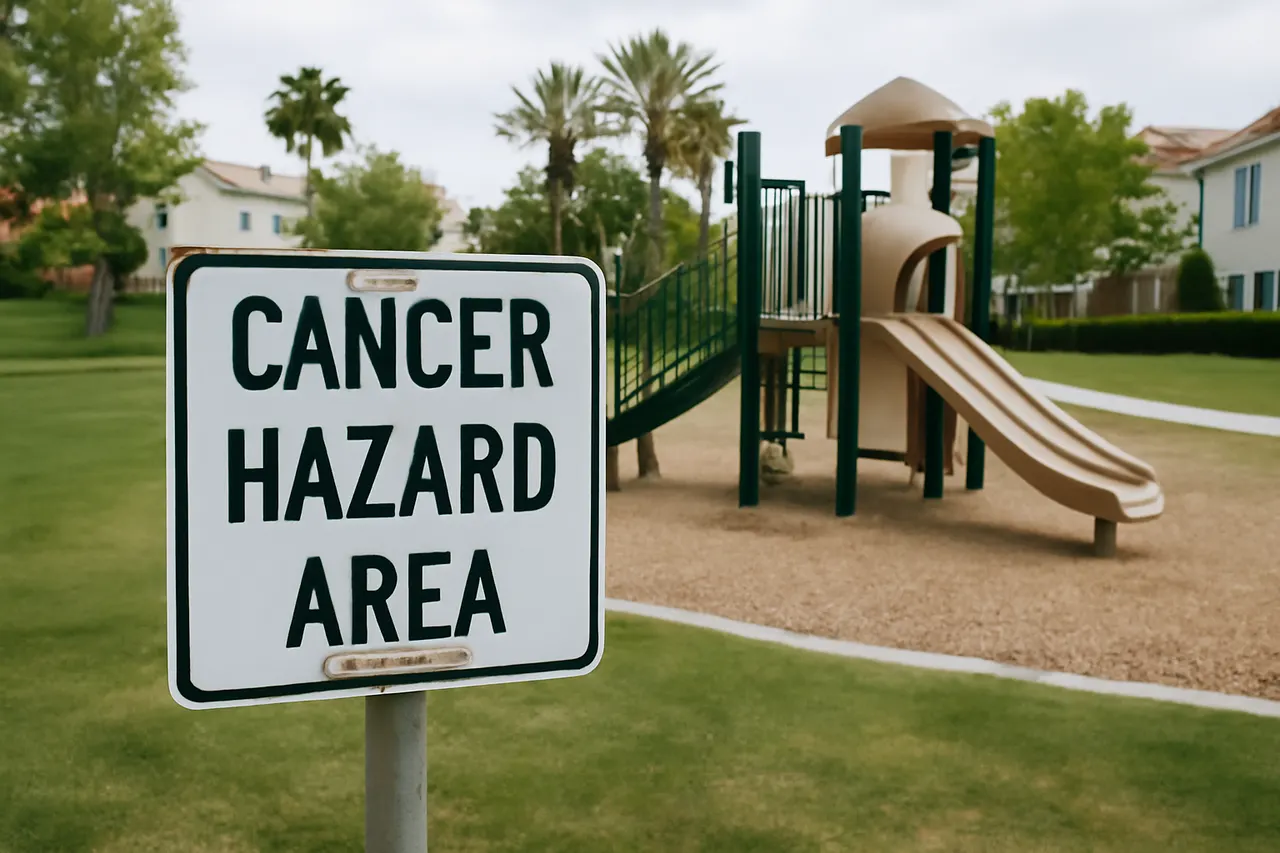
Concerns have escalated in Ladera Ranch, a suburban community in Orange County, Southern California, after six children were diagnosed with Ewing sarcoma, a rare cancer affecting bone and soft tissue primarily in young adults and children. Katrina Foley, vice-chair of the Orange County Board of Supervisors, confirmed the diagnoses in a statement and emphasized the need for transparency and a thorough review of all possible causes, including environmental exposures.
At a community meeting held this week, hundreds of residents gathered to express their worries, with some also reporting additional cancer cases among adults and pets. Many residents, including Liesl Heizt, voiced concerns about the frequent spraying of pesticides and herbicides in the area, fearing a potential link to the cancer cluster. Heizt told ABC7, “We’re very concerned about pesticides that are being sprayed all around the community. There’s so many times that I walk around and they’re spraying, and I ask what they’re spraying and they’re not telling us.”
Brian Dalton shared a personal account during the meeting about his daughter Lily, who died earlier this year from the same rare cancer, underscoring the community's distress. Dalton said, “I don’t want another mother holding her child’s hand through endless treatments, praying for one more birthday, planning a funeral instead of a future.”
While the American Cancer Society states there are no known lifestyle or environmental causes for Ewing sarcoma, local officials and residents are urging a comprehensive investigation. Foley stated, “Ladera Ranch families deserve answers, transparency and urgency from the state. We do not yet know what caused these cancers, but that uncertainty demands a comprehensive review of every credible factor, including possible environmental exposures, along with direct communication and the public release of the findings.”
Public health authorities, including the Centers for Disease Control and Prevention (CDC) and the National Cancer Institute, acknowledge the importance of evaluating unusual cancer patterns and community concerns through systematic, science-based processes, according to statements from officials.
Loading comments.