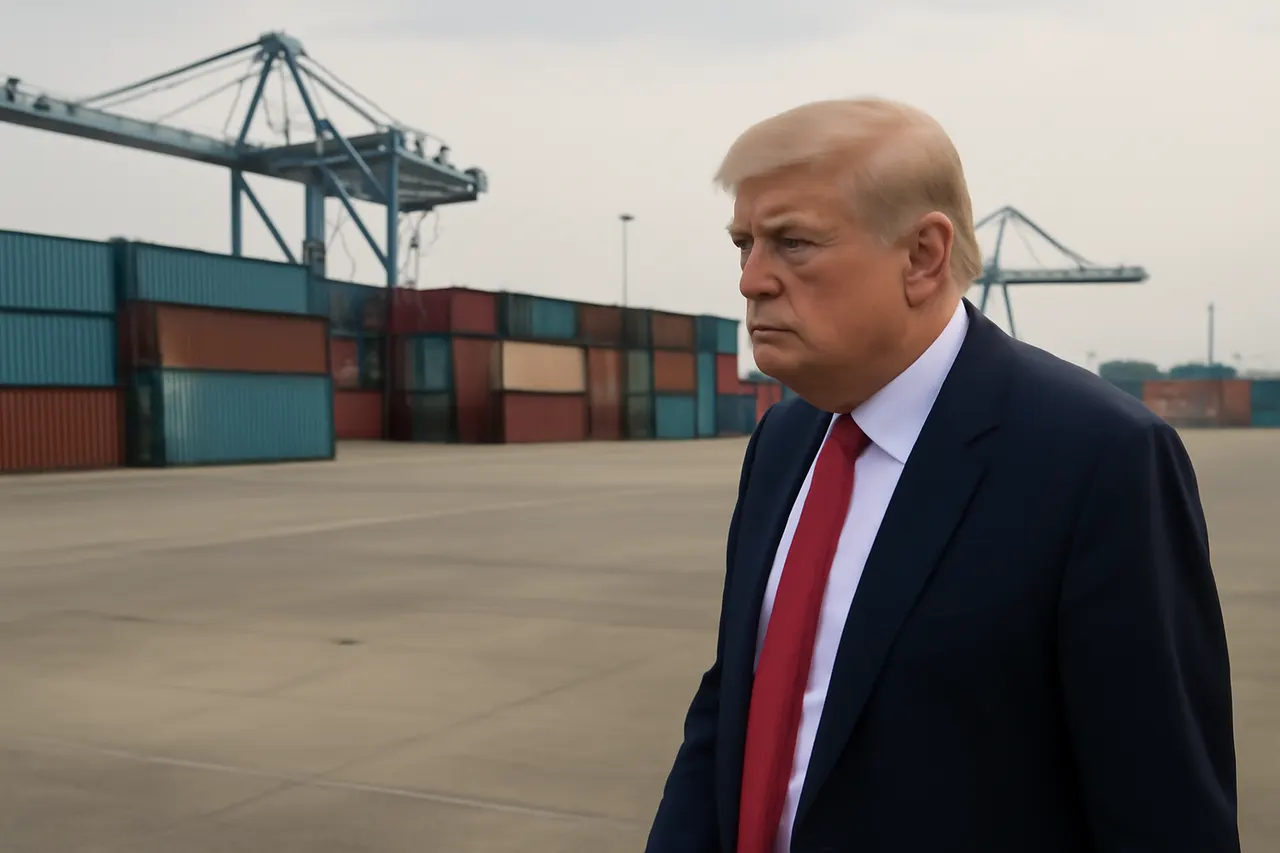
On Friday, July 24th, 2026, former President Donald Trump imposed a new wave of tariffs on over 80 countries, replacing an expiring global 10% tariff introduced earlier this year. These new levies range from 10% to 12.5% and affect nations including the UK, Mexico, Canada, Australia, India, China, and the 27 countries of the European Union.
The tariffs are enacted under section 301 of the US Trade Act of 1974. The Trump administration justified the measures by citing failures among many countries to enforce bans on goods produced by forced labour. US Trade Representative Jamieson Greer stated that the US has rigorously policed its own forced labour import ban for nearly a century and urged trading partners to do the same.
However, the rationale has been met with skepticism and confusion. European Union foreign policy chief Kaja Kallas, speaking at the ASEAN meeting in Manila, said, “You can’t say that for the European Union,” and noted that the EU would seek clarification from Washington. She added that the EU had honored commitments under a 2025 transatlantic trade agreement and viewed the new tariffs as a shock.
Richard Neal, the top Democrat on the US House Ways and Means Committee, criticized the justification as “too convenient to be taken seriously,” while acknowledging forced labour as a serious issue requiring enforcement.
Tensions escalated with Canada rejecting a planned joint celebration with US officials after Trump suddenly announced a 50% tariff on Canadian goods entering the US earlier this week.
These developments have reignited anger and confusion among US allies and trading partners, highlighting ongoing disputes over trade policy and enforcement of labour standards.
Loading comments.